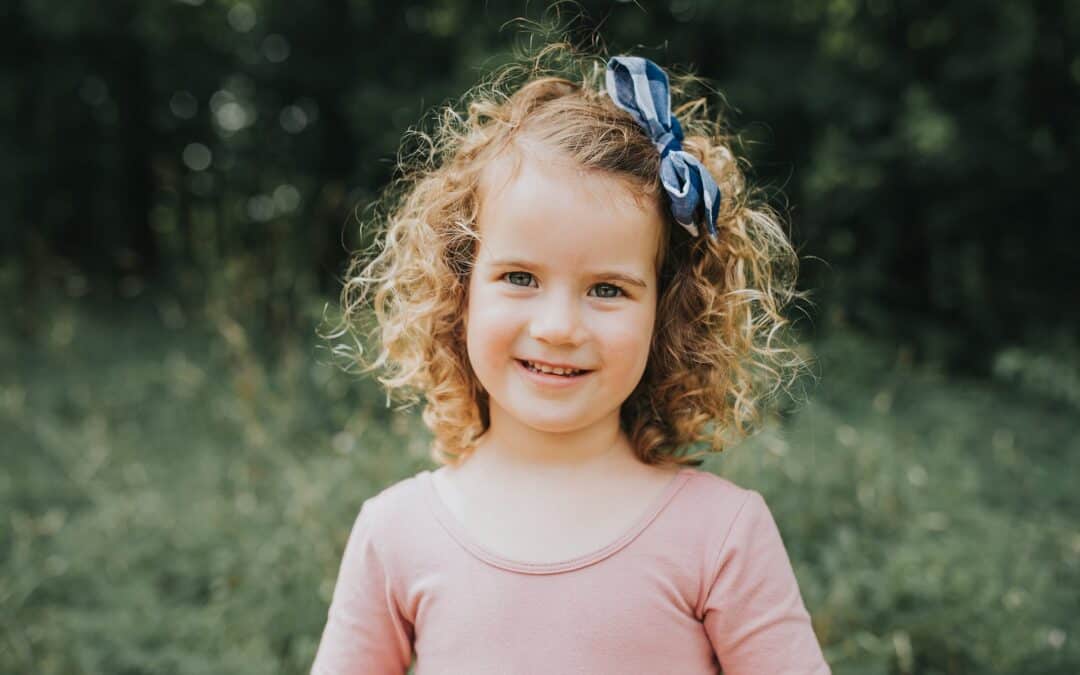
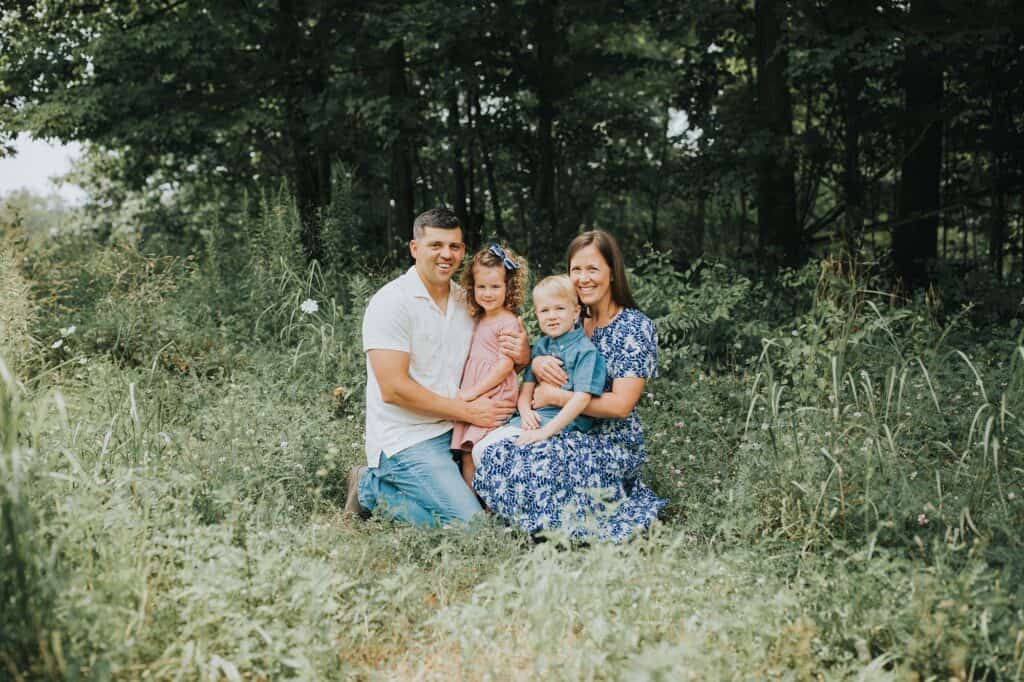
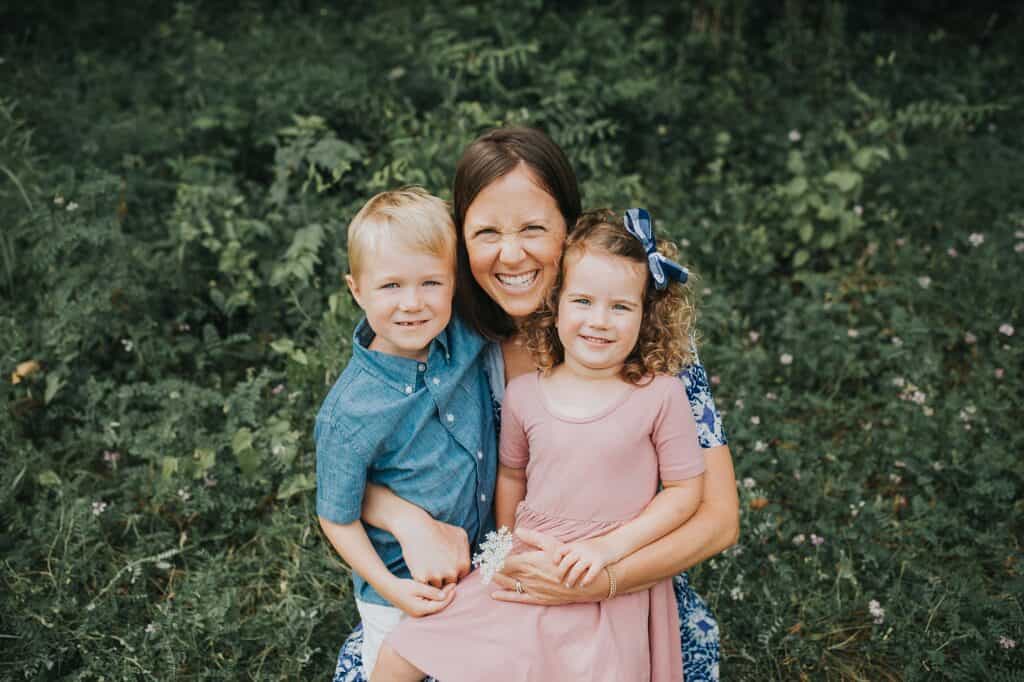
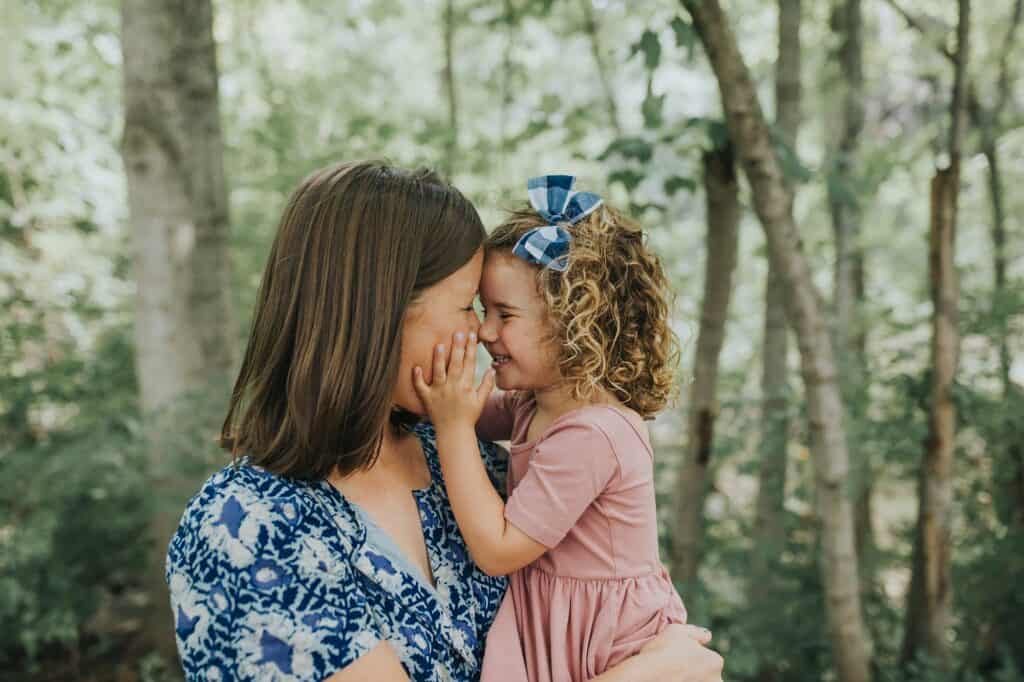
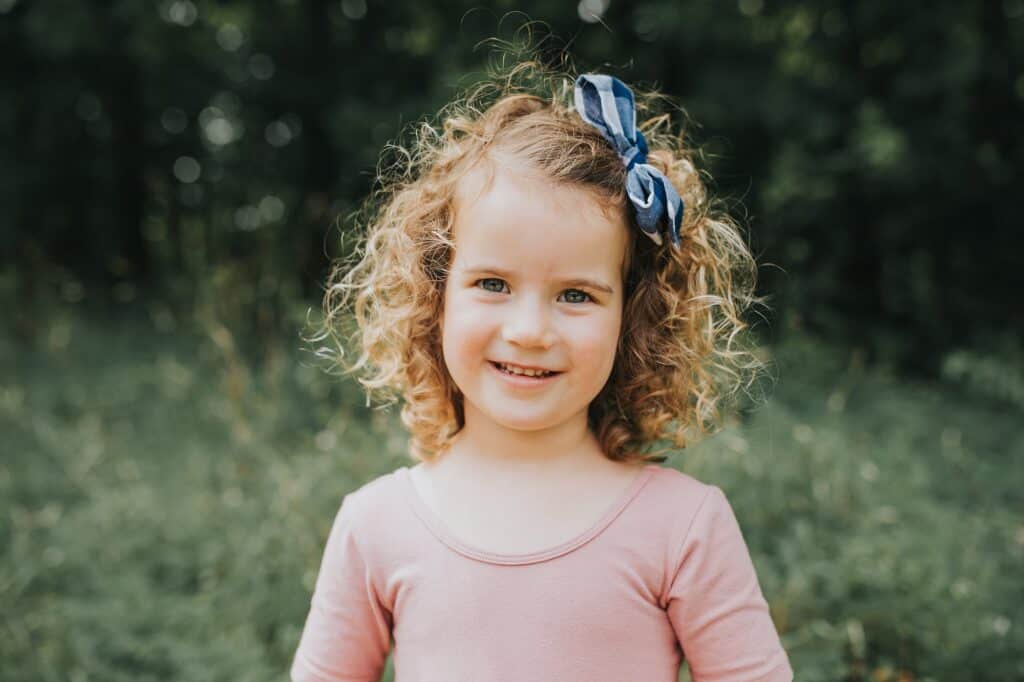
Charlotte is a spirited, cheerful, fearless, and strong-willed little girl. When she was born we remember the nurse saying that she was “tiny but mighty,” and boy has that ever proven to be true! She loves dolls and babies, animals, riding her scooter, reading books, coloring, and being outside. Charlotte looks up to her big brother, Finn, and likes to imitate and play with him. She loves to do things independently (typical almost 3-year-old), but also loved to snuggle and be held.
Charlotte was 22 months old when everything changed. She had hit all of her developmental milestones at age-appropriate times and was a delightful toddler. On July 16, 2019, she woke up and her daddy got her from her crib. He described her as feeling like her abdominal muscles felt tight and when he took her to push the button on the coffee maker, as usual, she suddenly lacked the coordination to do this. She would fall out of nowhere when walking around and had some erratic eye movements. We took her to the emergency department at Mott Children’s Hospital in Ann Arbor, Michigan where a comprehensive series of tests were done over the next two days. There was blood work, a full-body MRI, a lumbar puncture, and an EEG among others to assess the sudden onset of Charlotte’s symptoms. The results were all negative, and she left the ED with a diagnosis of Acute Viral Cerebellar Ataxia. We were told that Charlotte’s symptoms would most likely worsen before she began to recover, but that slowly she would recover and return to normal. Pretty quickly after returning home, Charlotte’s strength and coordination worsened and she got to the point where she could no longer walk without falling and could barely sit independently. During a follow-up appointment with oncology, it was suggested that she have another test done (MIBG scan and then another MRI) due to elevated levels in her urine. It turned out that Charlotte did have neuroblastoma located near her tailbone, an area of her body that the initial MRI had not detected. Because of Charlotte’s case, Mott hospital has now changed its protocol for future patients who are admitted with similar symptoms.
We met with the pediatric surgeon who confidently explained the procedure. Happily, the surgery was quite successful and the surgeon was able to excise the entire tumor. The pathology report was also very good. We were told that she would be “better than when she came in” and would need routine follow-up appointments. We left with feelings of relief and gratefulness.
After the surgery, Charlotte worked hard to improve her physical skills. She also had some behavioral challenges, some of which could probably be attributed to her frustration and lack of indolence (but also characteristic of OMS). We had also noticed a decline in her verbal abilities and it was advised that we contact early interventionists in speech/language, physical, and occupational therapies to assess Charlotte. Based on their observations and information from us, she did not qualify for their services. However, as she struggled to walk without falling and often resorted to crawling, we decided to start physical therapy. This did not go well! She resisted the activities and after a few times, we decided it was counterproductive at this time.
Two days before Christmas, we had another follow-up appointment with the pediatric neurologist. The news she presented was devastating. She said that Charlotte has a syndrome called OMS (Opsoclonus-Myoclonus Syndrome,) an extremely rare condition. OMS is related to neuroblastoma but is now a separate issue and has to be treated (even though her tumor was removed successfully). Family members began the careful and rigorous process of researching this diagnosis. We decided to travel to Boston’s Children’s Hospital to seek guidance from Dr. Mark Gorman, a known expert in treating this rare syndrome. He would advise the doctors at the University of Michigan and Charlotte would begin an aggressive treatment for OMS at Mott, including Rituximab infusions (a chemo medication that was given in four doses), IVIG infusions, and Dexamethasone steroid. Charlotte continued to get monthly infusions of IVIG as well as steroids every month.
She will have to continue with monthly IVIG infusions for at least two years and she will most likely get another dose of Rituximab once her B cells start to return. Charlotte will also continue to have follow-up MRIs (every three months right now). We routinely meet with her oncologists and neurologists at UM and Boston Children’s.
We are beyond thankful that our little girl is back to her spunky, fun-loving self! She has made tremendous progress and we have no doubt she will continue to learn and grow. We want to help support Charlotte to reach her potential, both physically and emotionally. We just want her to have access to all of the opportunities every child should be able to have growing up.
Charlotte is an incredibly brave and resilient girl. She is so joyful, snuggly, and loving. Her joyful and silly personality is infectious. Charlotte’s courage helped us get through an incredibly hard situation.
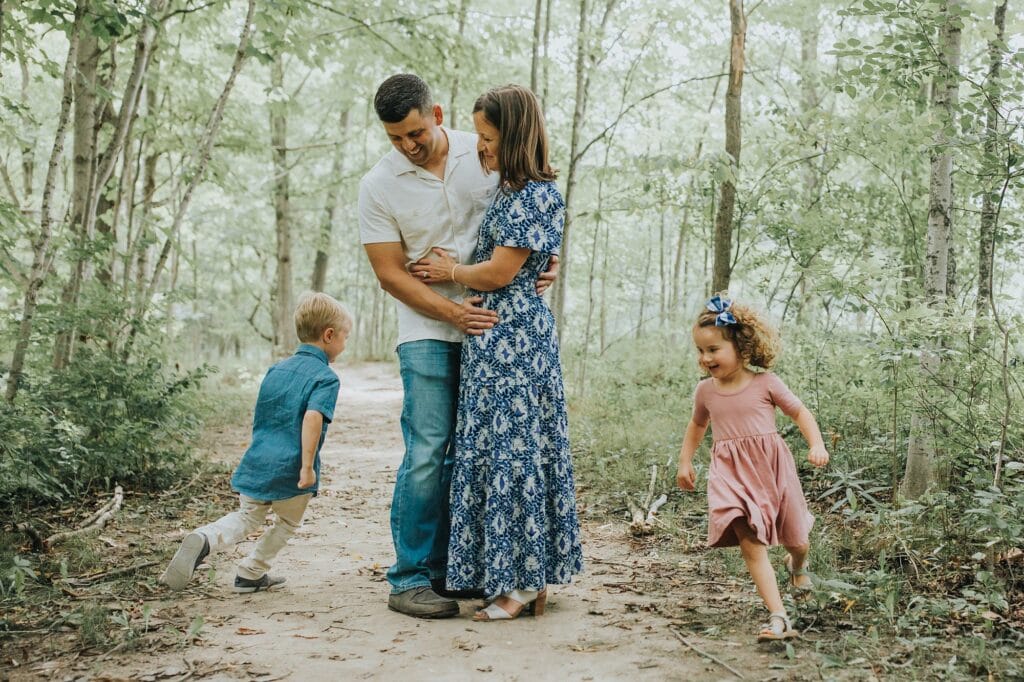
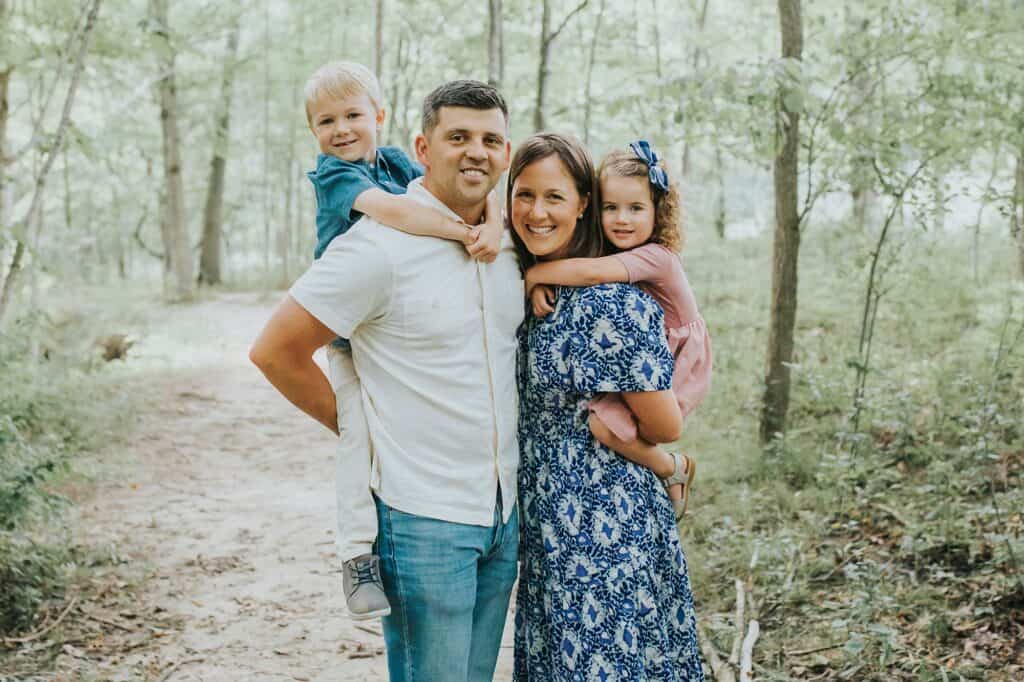



Hope session by Apple of Our Eye Photography | Facebook | Instagram