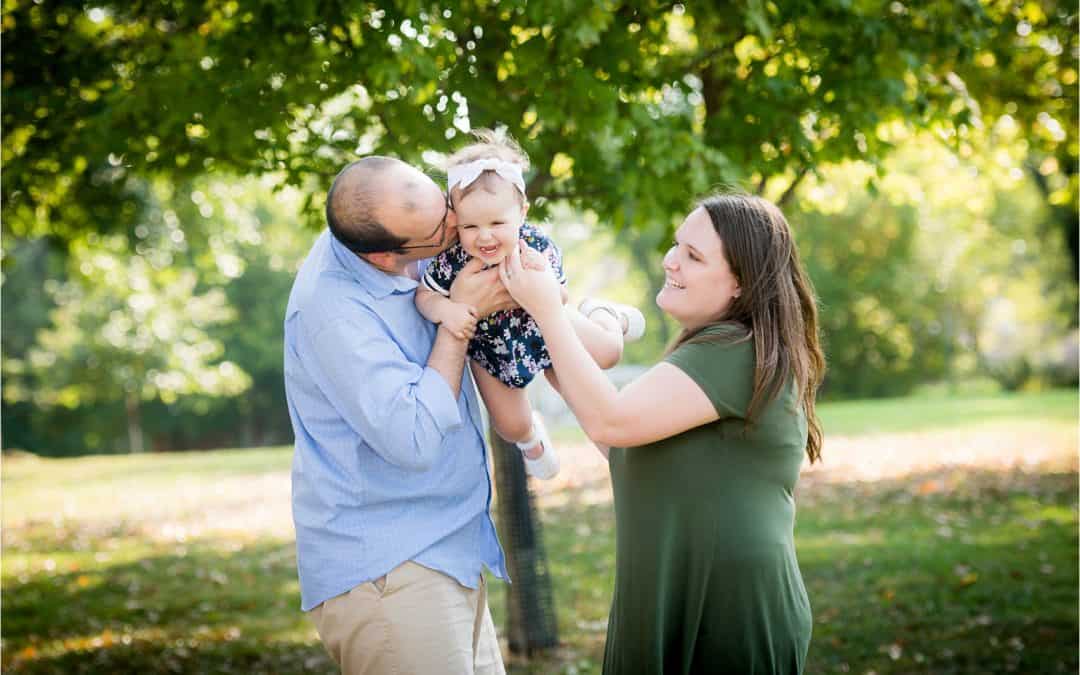
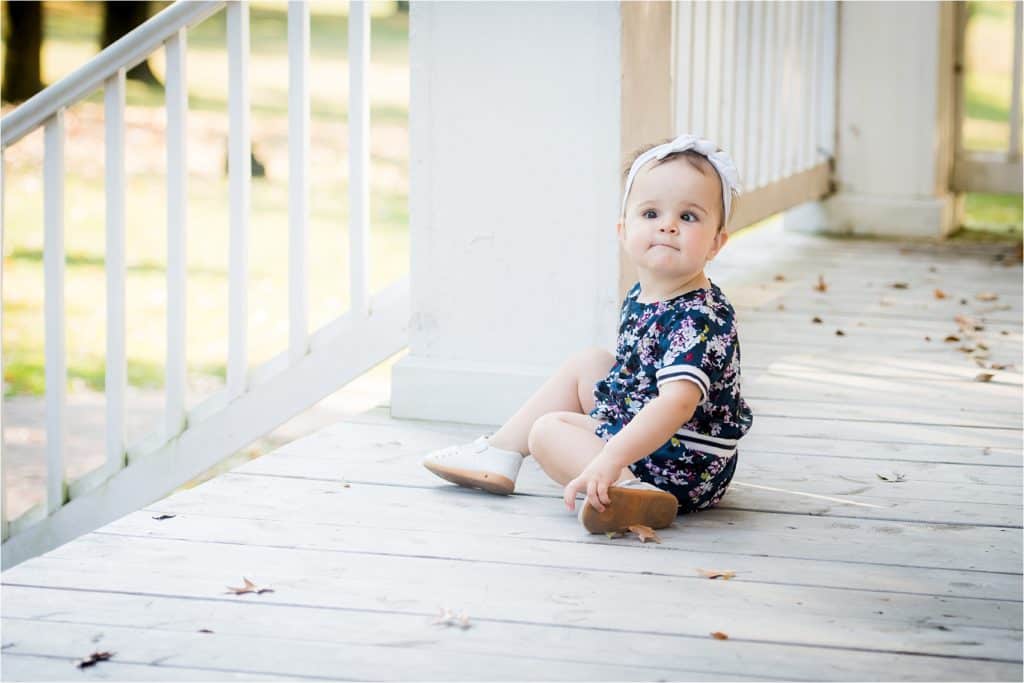
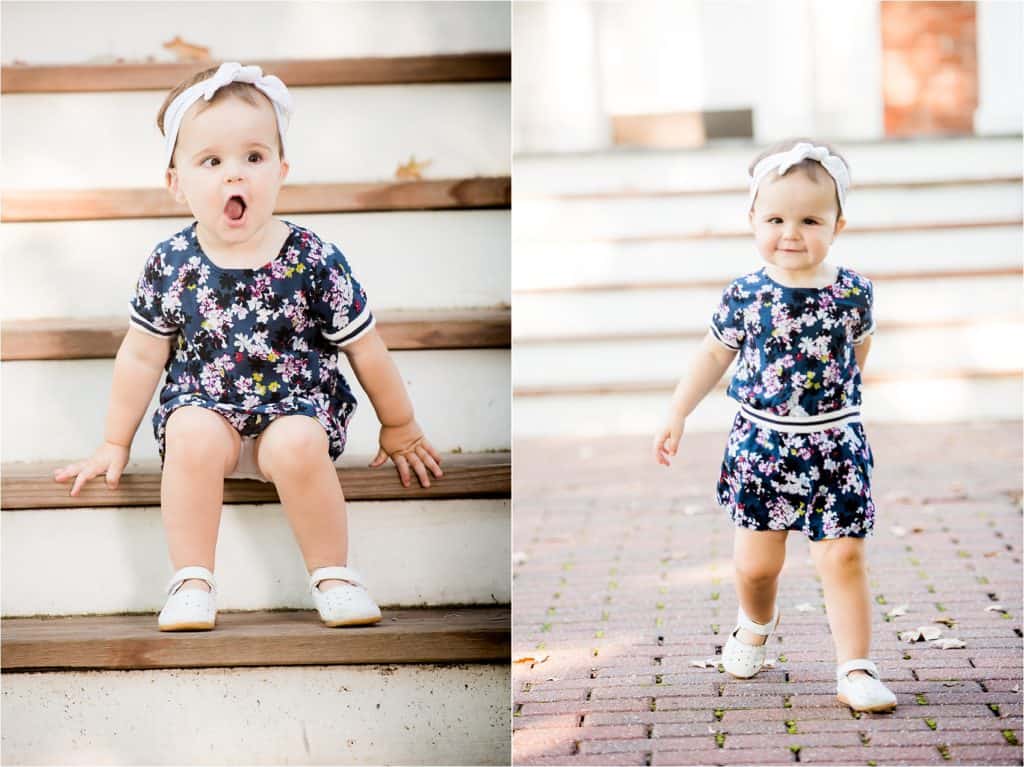
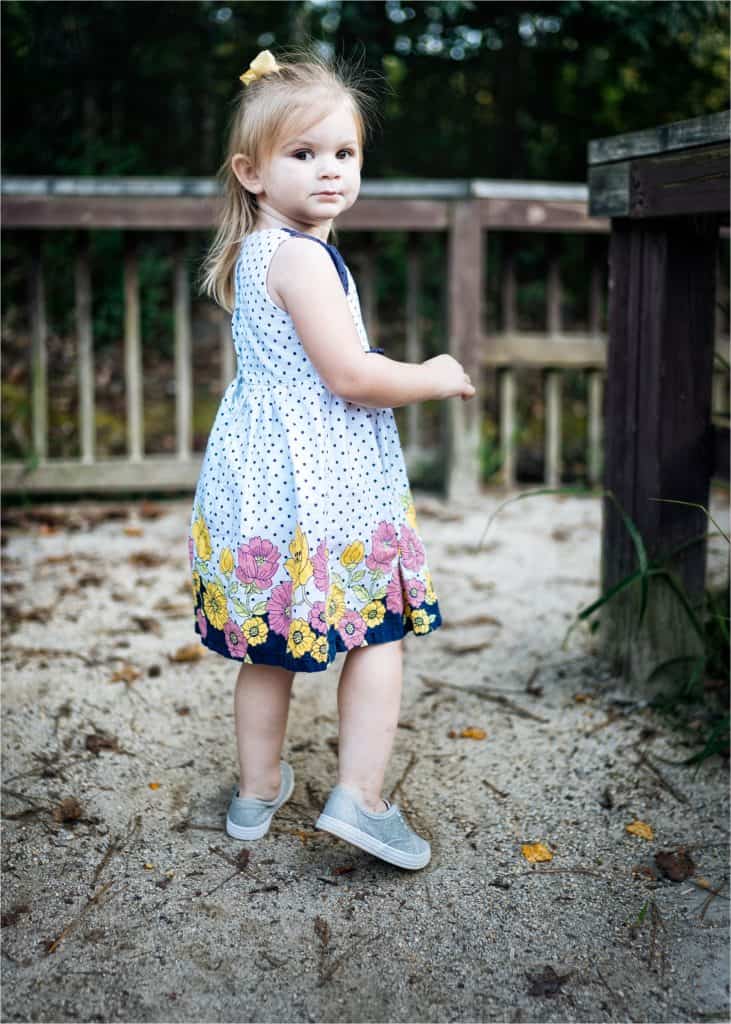
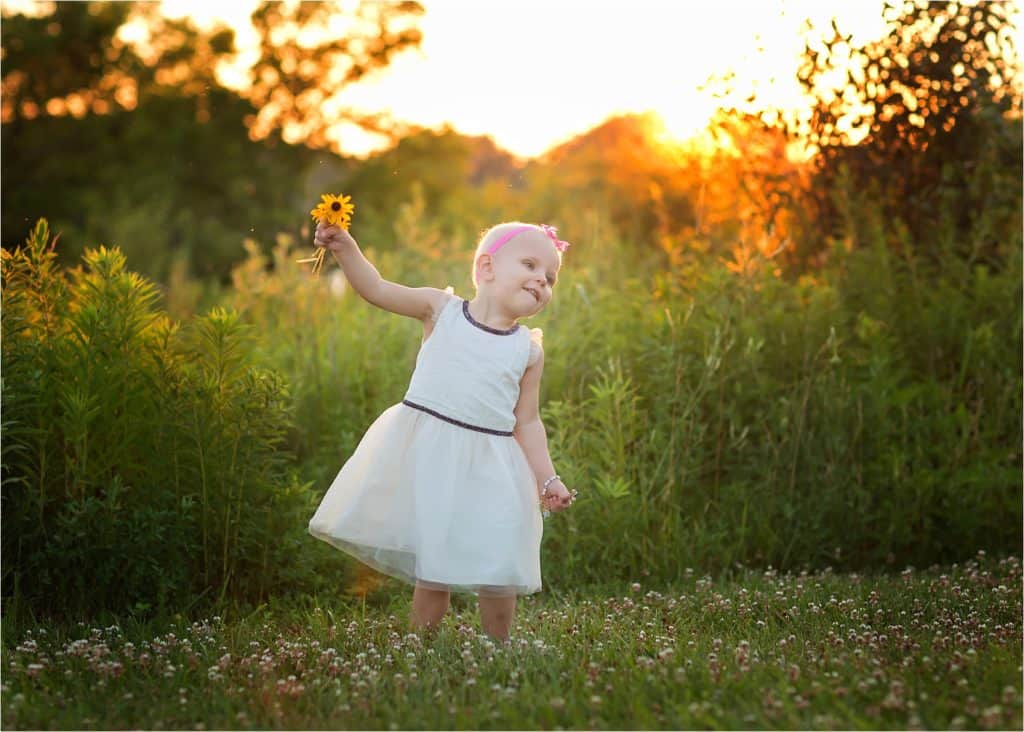
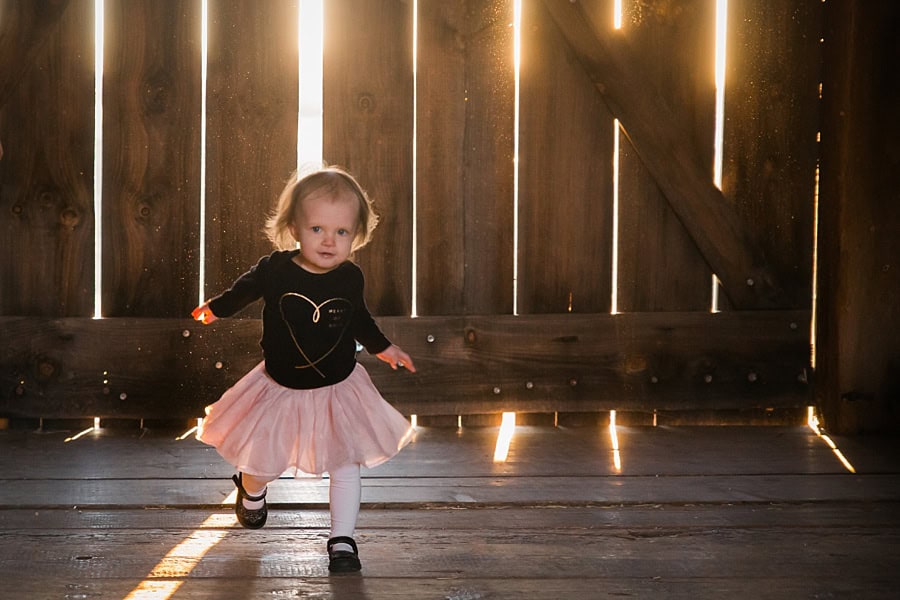
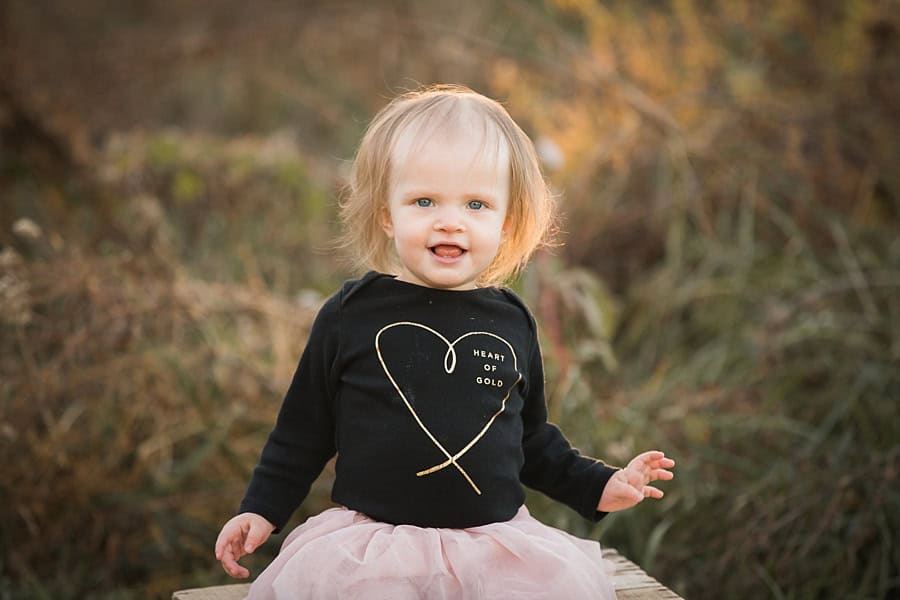
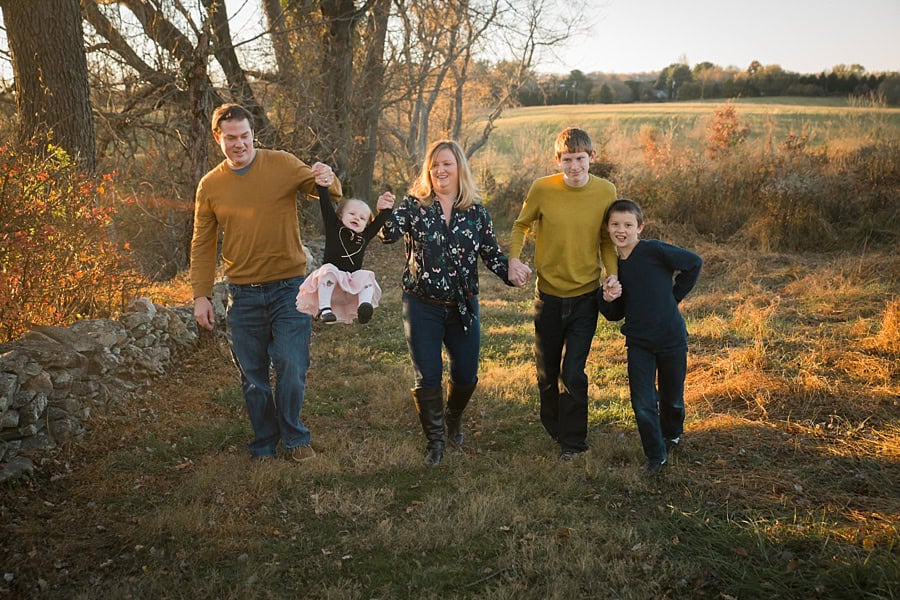
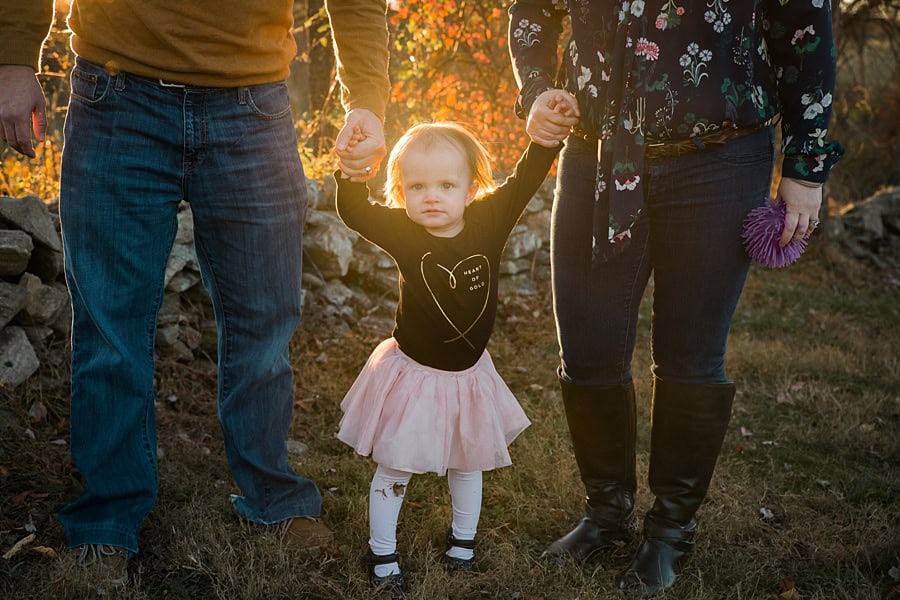
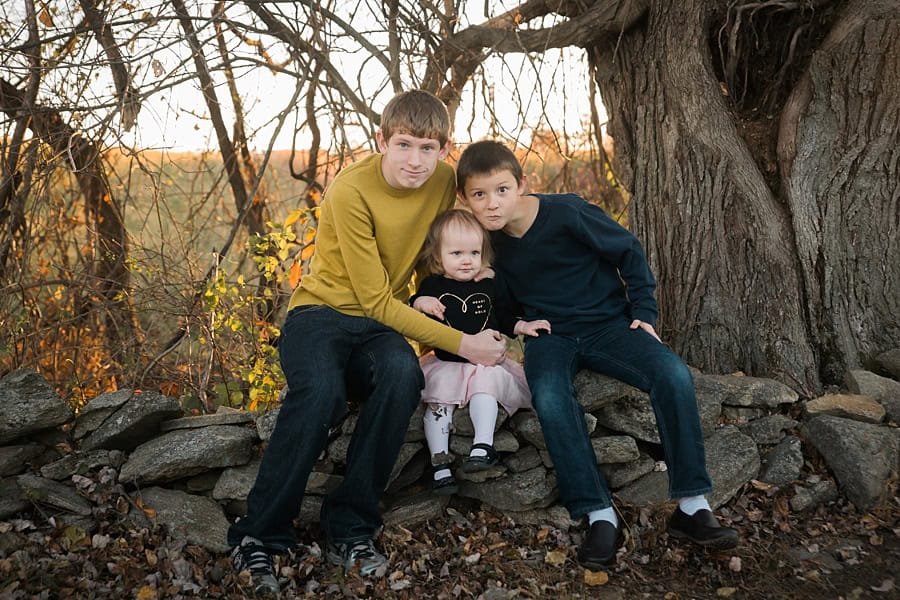
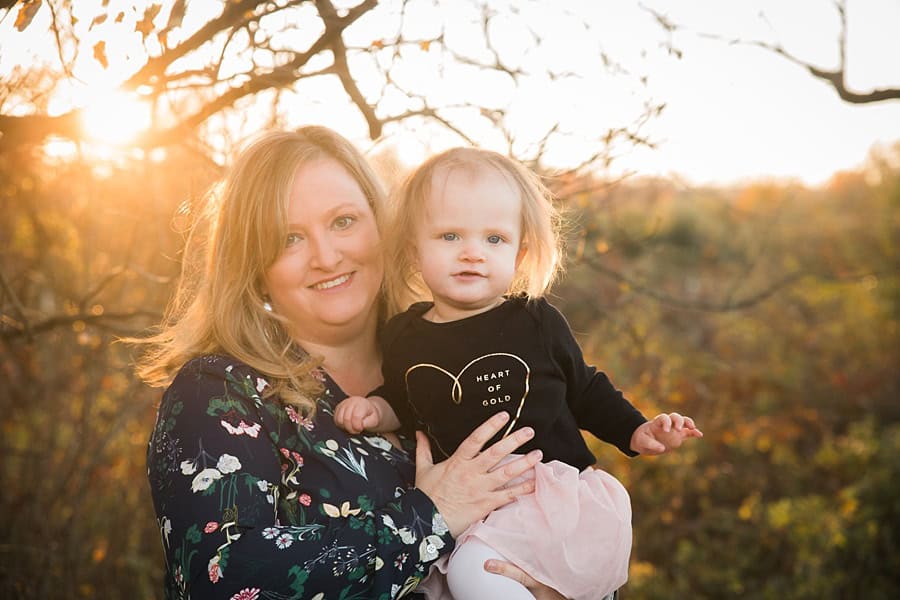
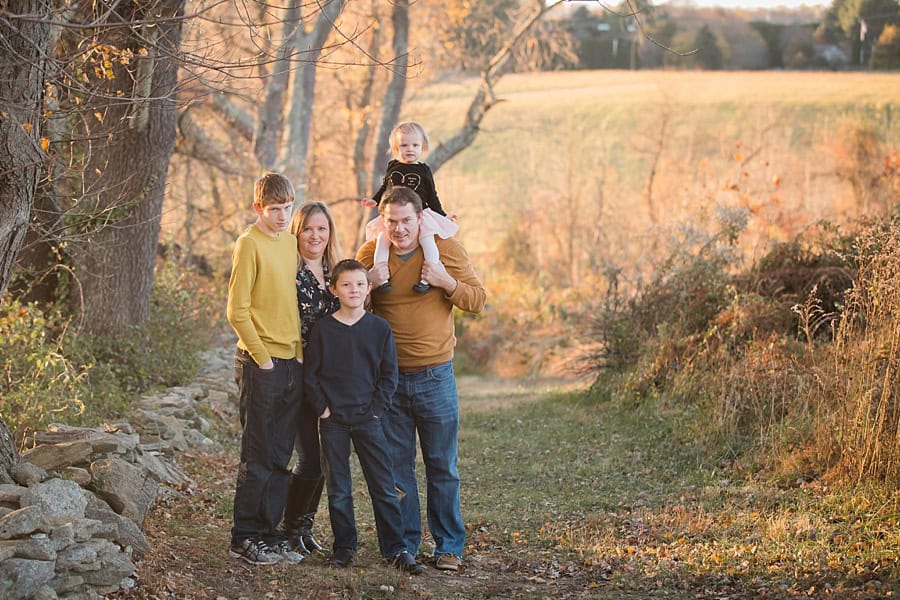
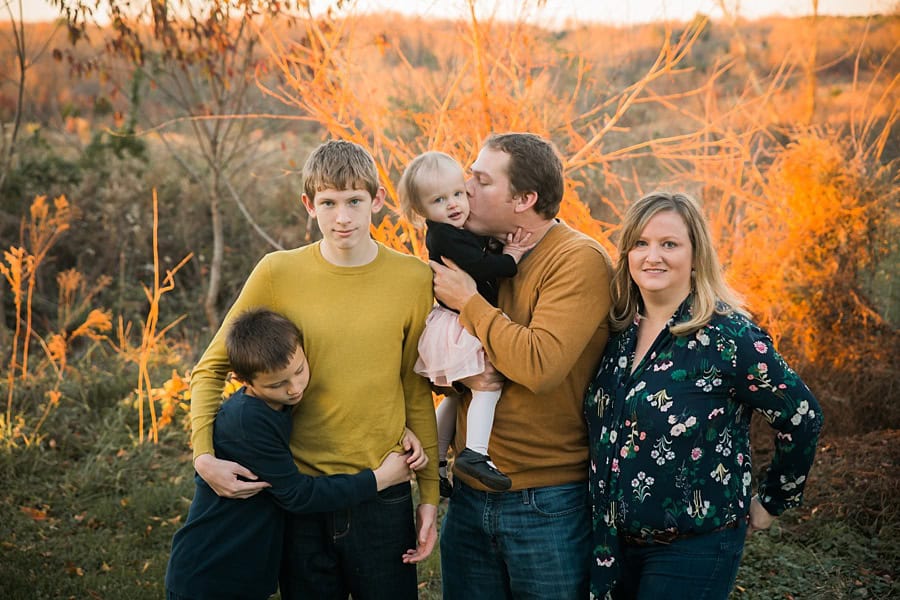
Jane is a resilient girl. She was diagnosed at nine days old, and began chemotherapy at 15 days old, and she’s still undergoing treatment now at 21 months. Cancer treatment has always been part of her life. Jane received systemic chemotherapy where we live, in St. Louis. When she was just three-and-a-half-months old, she was diagnosed with chemotherapy induced hearing loss. Jane’s cancer, retinoblastoma, causes vision impairment, so learning that she also had hearing loss was devastating. We acted quickly on the hearing loss diagnosis, and worked with Jane’s doctors to alter her treatment plan, and she had hearing aids fitted less than three weeks after her diagnosis.
After the hearing loss, Jane received one round of systemic chemotherapy without carboplatin, the drug that caused the hearing loss, but at her next monitoring appointment, we discovered that without carboplatin, the systemic chemotherapy wasn’t effective on her cancer. Our doctors in town recommended that we transfer her care to Memorial Sloan Kettering, where they have a different technique that delivers chemotherapy directly to her eyes.
The next day, we were on a plane to New York to meet with her new doctors. Over the last 16 months, we’ve been to New York 17 times, where she’s received intra arterial chemotherapy, laser treatment, and chemotherapy injections. Her left eye still one active tumor that she is receiving intra arterial chemotherapy for now. We are hopeful that this treatment is successful because her left eye has more vision than her right eye, and we hope to maintain as much vision as possible.
Flying to New York every four to six weeks is not easy. My husband and I miss a lot of work, and we’re racking up frequent flyer miles. Jane does well traveling, and she doesn’t associate travel with treatment yet, which we are thankful for.
After treatment, Jane feels a little crummy for a day or so, and her appetite is diminished for a few days, but if you didn’t know her story, you would have no idea what she’s going through. She goes to daycare and spends a couple of mornings a week at a school for the deaf, and she loves playing with her friends. She’s a very social kid.
We are very thankful to be Jane’s parents – she’s a happy, funny, smart little girl. We fully understand what Jane’s long-term vision will be, and we won’t know until her cancer is stable, but we’re hopeful that she will be able to have a full and happy life despite impaired hearing and vision.
It was first noticed by my husband, who has spent every day with her, that something was just ‘different’ about Kennedy’s pupil in her eye. But it was hard to tell, and no pediatrician had noticed. My brother-in-law also saw it shortly after we did. He informed us that there have been several stories about it. So we snapped a few pictures of her eyes and sure enough: one had the (normal) red flash, and one was dull white (a sign of retinoblastoma).
We took her to another pediatrician, expressed our worries on her 3 month well check, and were assured that everything was fine and normal; this is just how babies’ eyes’ are.
We continued to search for a better answer and found a local retina specialist. She nearly confirmed our fear but sent us to a specialist. We were the first appointment the next morning. He confirmed our fear; our three month old, sweet baby girl; apple of our eyes, had cancer. We are now the parents of a child with cancer, Retinoblastoma.
Five days after our final diagnosis, we went to the local ER again due to Kennedy being in pain, extra fussy, not wanting to eat, and just all around lethargic. We thought maybe a lash in the eye, a scratch perhaps… but they found nothing and were told to go to Egeleston. The pressure (20 is normal- hers was 70) was so much in her eye that the ER doctors there told us that the eye would be removed by morning if it did not improve with medication.
It didn’t improve. My husband and I had to make the decision to remove it. It was not a difficult decision. Her eye was dead and it would not grow anymore. It was clouded and blood shot. There was never a chance at saving her eye sight. It was causing my baby a pain that momma bear could not fix and daddy could not fight.
So on Monday, June 8, 2015, her eye was removed and a port was put in her chest so that she may begin chemotherapy. There was nothing harder than handing over this sweet angel to the surgeons. While I knew she was in good hands, I felt helpless and numb without her.
She did well in surgery; after all, she is a fighter! She is a piece of her mother and her father rolled into a chunky tiny human that has made our world a better place.
We have underwent 6 months of chemotherapy, 20 eye exams under anesthesia, about 10 laser treatments to reoccurring tumors in the left eye, and 10 MRI’s. We are currently one year free of any tumors, however we are still not in remission… but we are fighting, because that’s what we do.
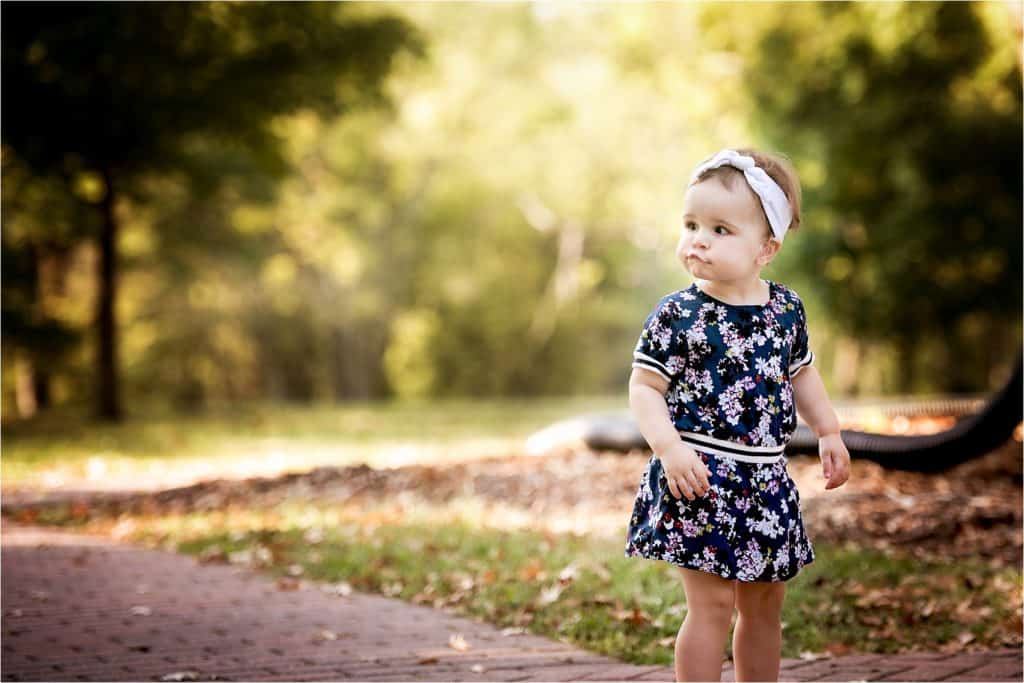
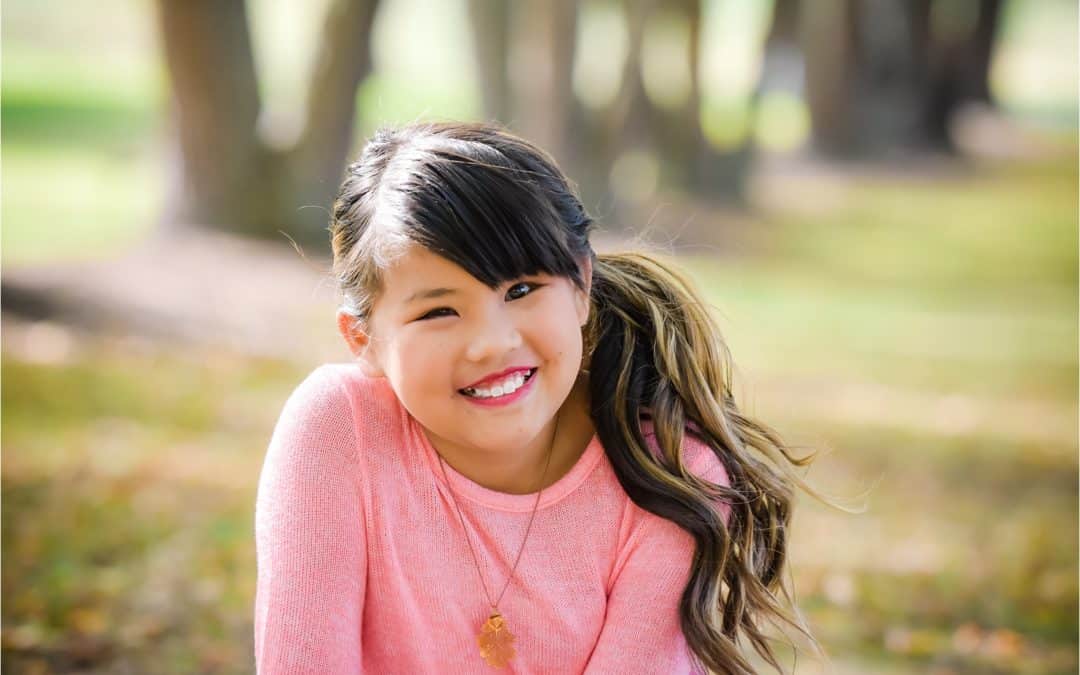
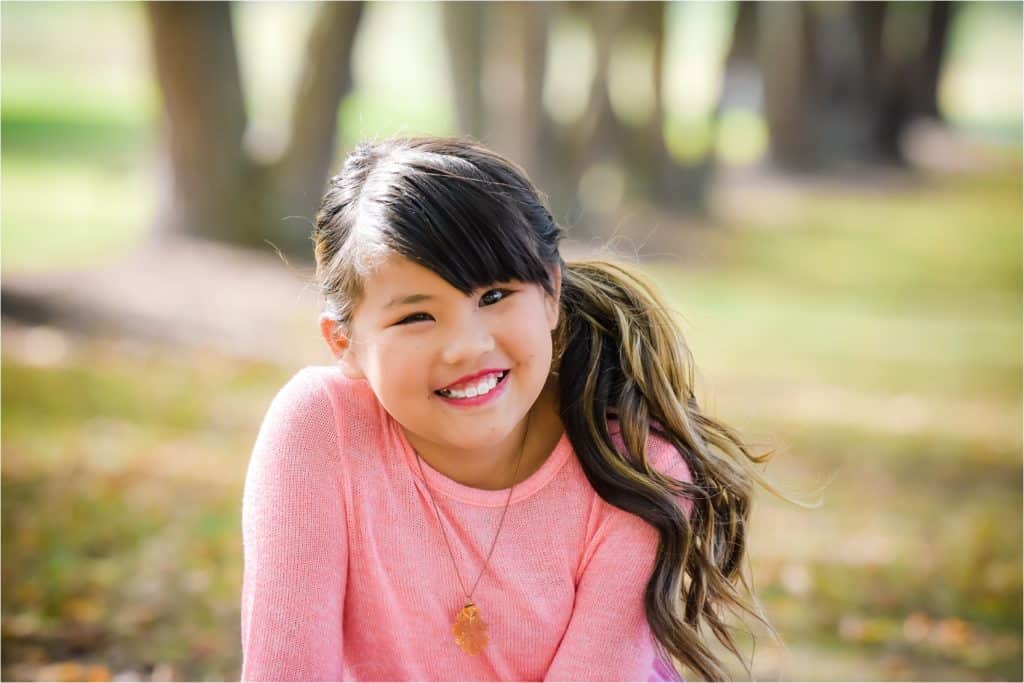
She is now two and a half years old. She loves Minnie Mouse, Peppa Pig, and Paw Patrol. She has an active imagination. She loves her family and playing with her older cousins. She enjoys painting pictures, playing in water, and bubbles. She is also the best hug giver ever and we cherish every single one. Kennedy is our fighter, our almost survivor, our daughter… she is the face of childhood cancer.
You know the phrase “four-letter word” to mean cuss words, curses and dirty words. For parents though, perhaps the dirtiest word is actually a six-letter word: cancer.
As an adult, you probably already understand the general nuances of the cancer world; the medical phrases like clinical trials and chemo protocols, the scary symptoms like unexplained fevers and bruising, and the side effects of chemotherapy and radiation. As a general rule of thumb, most adults seem to innately understand these things about cancer. Imagine my surprise when I started reading about retinoblastoma and I found that I needed a biology course simply to understand what it is, beyond just a cancer in the eye. One would think that cancer is enough of a sick joke in and of itself, but to have cancer in the eye? Killer cells multiplying inside the part of your eye that detects light? The thought sickens me. I cannot imagine how the kids diagnosed with this cancer view the world, figuratively and literally. You know what gets me, really gets me, is that cancer is just a bunch of cells that begin to grow out of control, seemingly out of nowhere and for very little, if any, reason. In the same way a group of cells can grow into a beautiful, healthy baby, a group of cells can grow into a nasty cancer.
What is Retinoblastoma?
Retinoblastoma is a cancer of the retina, which is the thin membrane on the inside back of the eye. Retinas have cells called retinoblasts. In healthy children, these cells fill the retina as they divide themselves into new cells. At a certain point, they stop dividing and mature into our light-detecting retinal cells. In rare cases, these cells continue to divide and do not mature; instead, they begin to grow out of control and form the most common type of eye cancer in children – retinoblastoma. This comprises 3% of all childhood cancers, with an average of 275 kids diagnosed in the US each year. Retinoblastoma is diagnosed very early in life, usually before age 3 and can be both hereditary and nonhereditary.
Hereditary retinoblastoma is also known as germline retinoblastoma. Just shy of half of all retinoblastoma patients are diagnosed with this form. These kids are found to have a genetic defect that causes multiple tumors in one or both eyes and can be passed on in families. Germline retinoblastoma increases the odds that other cancers will develop inside or outside the eye, and carries a higher risk of other cancers later in life. Germline retinoblastoma is usually diagnosed by age 1.
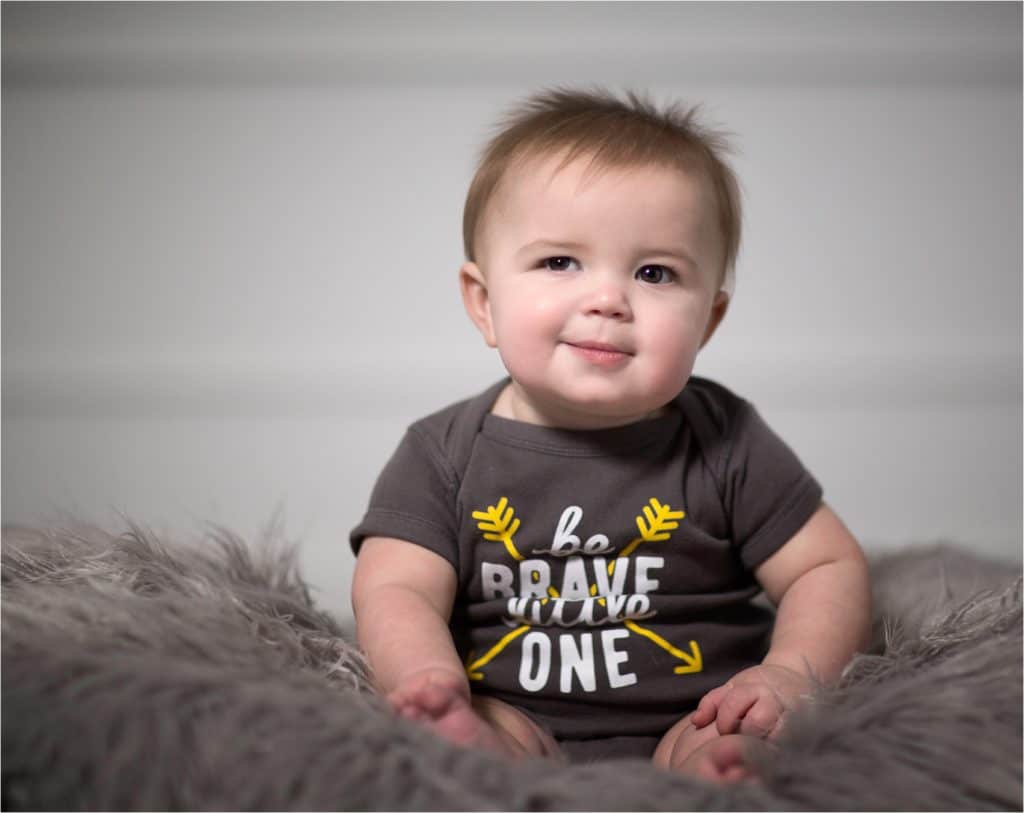
Ben was diagnosed at 7.5 weeks with bilateral retinoblastoma. He is currently 6 months and still undergoing treatment. We are hopeful his prognosis of surviving is very good, with the cancer contained in his retina(s) thus far. But, he does have the hereditary form, which means he carries the germ line mutation in all of the cells in his body and is at a higher risk of cancer in his future. He will only have peripheral vision in his right eye (hopefully will have this), and he will have some obstructed vision in his left eye.
On the contrary, nonhereditary retinoblastoma does not come with the increased risk of other cancers, and usually forms in only one eye and is generally diagnosed by the age of 2. This type is slightly more prevalent.
Although cancer is such a dirty word, we are fortunate that modern medical advances have propelled the survival rate of this type of pediatric cancer to between 70% when both eyes are affected and 95% when only one eye is affected. Those are some pretty good odds!
Common Symptoms of Retinoblastoma
Often, retinoblastoma may fail to show symptoms. What kind of world is this when your child has cancer but has no symptoms? Luckily, medical and scientific advances today have added standard tests to pediatric check ups in order to screen for abnormalities or signs of the disease. It’s important to note that some symptoms are less noticeable and doctors may rely on the parent to advocate for anything that seems “off” about their child.
Common symptoms of retinoblastoma include:
“Cat’s eye” (also called the white pupillary reflex or leukokoria), is a white-yellow orb-like spot seen through the pupil. Many times, this symptom is first noticed in photographs, especially when the flash is used. In children with retinoblastoma, what would normally appear as red-eye from a flash appears whitish instead. Learn more here.
Poor vision issues
The presence of strabismus, when one or both of the eyes turn inward or outward (often called “lazy eye”)
Pain or discomfort in the eye, pressure as the tumor grows
If left untreated, retinoblastoma can spread widely throughout the retina, the tissue beneath the retina, and the fluid in the eye, called vitreous. Large tumors can detach from the retina and break into small tumors. These are aptly named “vitreous seeds”. Floating in the vitreous, these seeds are very difficult to treat. These tumors are also adept at spreading into the optic nerve, brain, bones and bone marrow.
At Evelyn’s 12 month doctor appointment, the day after her 1st birthday, the vision machine couldn’t get a reading. Then the pediatrician tried to shine a light in her eye but kept repeating it for a few times. She then said something looked off, and asked us to go see an ophthalmologist. They informed us that she has retinoblastoma. We had no symptoms, which made this a complete shock and surprise for us.
Retinoblastoma Treatment
Before retinoblastoma, or any cancer, can be treated, it must be diagnosed in order to plan the most effective treatment. CTs, bone scans, MRIs, ultrasounds, and xrays are all effective methods in the diagnosing of retinoblastoma as well as determining placement, size, and severity of the cancer. Biopsy is normally an integral part of the cancer diagnosis and treatment, but with eye cancers, a biopsy just can’t be done without risking the health of the rest of the eye and the spread of the cancer to the surrounding tissues. Fortunately, experienced doctors can identify retinoblastoma without a biopsy.
Like most pediatric cancers, treatment of retinoblastoma depends on many different factors and there isn’t one simple protocol. Each patient is different and requires the close attention of an ocular oncologist or ophthalmologist to determine what plan is best. The common factors to determine the course of treatment for retinoblastoma are:
Whether the presence of the tumor in one or both eyes
Whether the center of vision is affected
Whether the tumor has spread to other parts of the body (metastasis)
Treatment for retinoblastoma can include surgery, chemo and/or focal therapy, and radiation therapy.
Generally, surgery is used in advanced cases in order to completely remove the cancerous eye, also known as enucleation. This treatment, as scary as it sounds, has a pretty good prognosis in patients with only one eye affected. In most cases, when the cancerous eye is removed, 90% of these children do not require any other treatment as the cancer was removed with the eye. In patients with both eyes affected, the eye with the larger amount of the tumor is removed and then treatment is focused on the remaining diseased eye.
Chemotherapy, as we all know, is a powerful medicine used to stop cancerous cell growth and inhibit the reproduction of more. In the best-case scenario, it’s used to completely kill the cancerous cells. In many cases, the chemo is injected into the bloodstream to allow it to travel to all areas of the body, in essence to kill any cancerous cells in the body. In some cases, the chemo can be injected directly around the eye for local treatment (called periocular, which translates accordingly as “around the eye”).
Charlotte has been through chemotherapy and enucleation of right eye. She is now blind in her right eye. Cancer has changed so much!
Advances
Fortunately, medical advances have allowed for all the fighting power of multiple chemos as once, called combination therapy. While this type of chemo treatment boosts the eradication of the tumor, chemo alone has not been found to cure retinoblastoma. Patients today are also given focal therapy, a focused laser treatment designed to fight the cancerous cells while minimizing any side effects to surrounding tissues. Cryotherapy, a type of laser treatment using freezing power, may also be used as focal therapy. In some cases, focal therapy continues after a chemo protocol is complete and, if the tumors are small enough, only focal therapy may be used successfully to kill the cancer.
Another way to target the specific cancer cells is photocoagulation. This relatively new science uses lasers to kill either the small tumors or the blood vessels that feed the tumors, thus resulting in starving them off and disabling their growth.
If left untreated or in advanced cases, retinoblastoma can invade the brain or spread to lymph nodes or the bones or bone marrow. When this is the case, children may require a stem cell transplant to reintroduce healthy white blood cells to the body. Stem cell transplants replace the chemo-stricken blood-forming cells in the marrow with donor cells that have never been treated with either chemo or radiation. This gives the patient new, healthy, immature blood cells that with grow into healthy cells, thus rebuilding a healthy system. Some stem cell transplants are called bone marrow transplants because the cells come straight from marrow.
Take Action
It’s so very difficult to come up with something one person can do to help eradicate cancer of any kind. Sadly, science today is still not advanced enough to inoculate against or prevent retinoblastoma to any degree, but the one constant need for nearly every type of cancer is blood donation and/or bone marrow donation. The Red Cross is a great resource when searching for a blood drive near you and Be The Match, the bone marrow registry website, has all the information necessary to make the decision to selflessly give HOPE to a cancer fighter.
Cancer has profoundly affected our individual and family lives. A significant aftereffect of cancer has been anxiety.We are anxious people now. This is something we will always deal with. All that being said, I am grateful for the cancer experience. We have been surrounded by amazing people…those who walk the journey with us and those who have supported us in the journey. We appreciate every moment we are given in life.
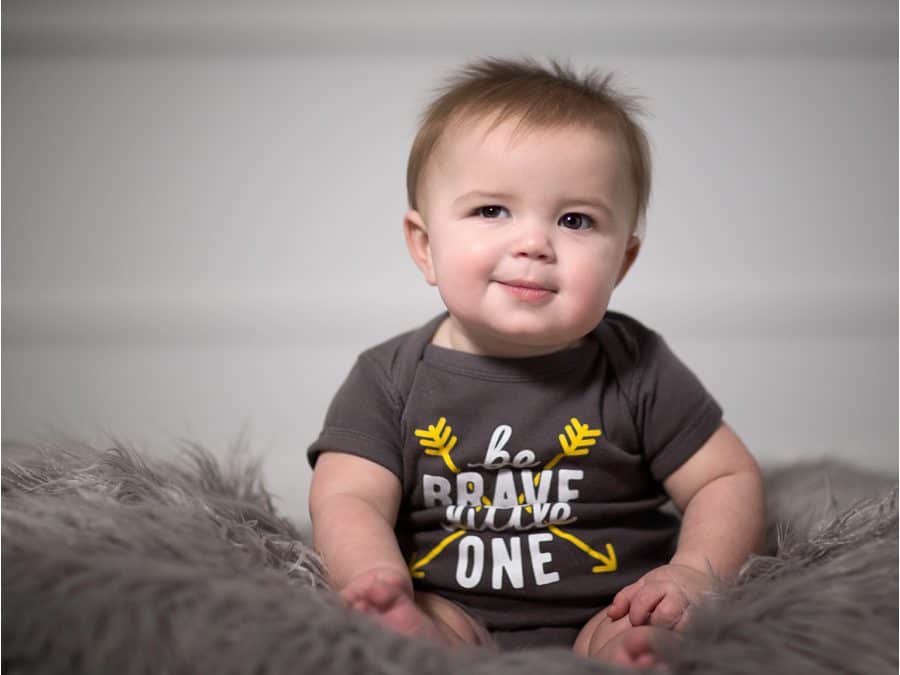
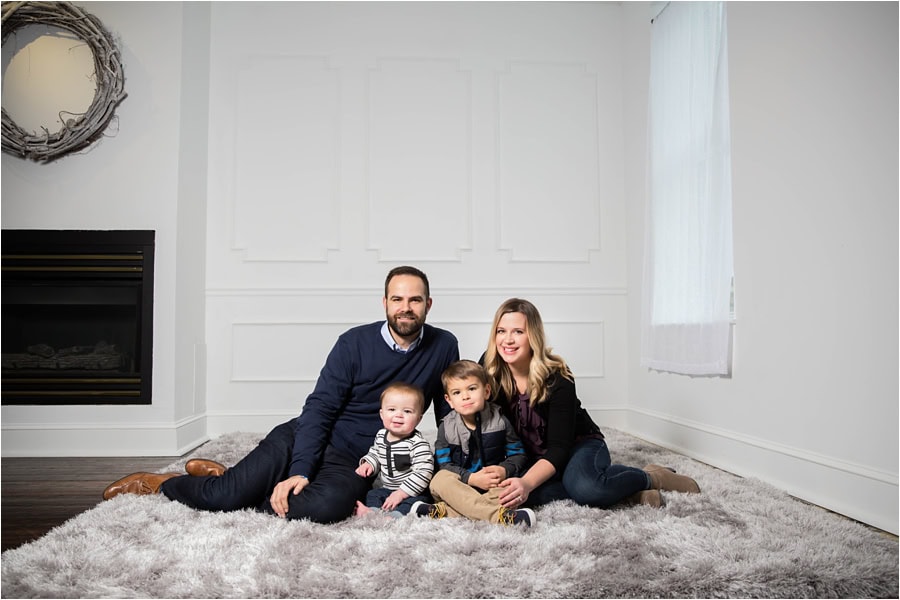
Ben loves when we blow on his belly and neck…being tickeled, makes him giggle. Ben’s brother Jack (who’s 3) makes him laugh! They LOVE each other. It’s the most precious thing to watch Ben light up and laugh and give us smiles when Jack talks to him … and “tackels” him… Jack will wrestle (lightly of course), and Ben just thinks it’s the best!
Retinoblastoma can show as a glow in the eyes when using flash on a camera. We didn’t notice the “glow” right away, with Ben being so little at 7.5 weeks, I wasn’t using the “flash” on my camera that often on him to save the bright light. But rather, I noticed that he wasn’t following objects like he should or making much, if any eye contact. I moved up his well child care check up fearful something was wrong, but we didn’t know what.
Ben was diagnosed at 7.5 weeks with bilateral retinoblastoma. He is currently 6 months and still undergoing treatment. We are hopeful his prognosis of surviving is very good, with the cancer contained in his retina(s) thus far. But, he does have the hereditary form, which means he carries the germ line mutation in all of the cells in his body and is at a higher risk of cancer in his future. He will only have peripheral vision in his right eye (hopefully will have this), and he will have some obstructed vision in his left eye. We are not 100% sure yet how is vision will be impacted.
Ben has already had surgery for a port placement, 4 systemic chemotherapy treatments, biweekly blood draws since he was 2.5 months old, 3 MRIs, 5-6 exams under anesthesia and laser therapy and one intra-arterial chemotherapy (IAC) procedure with much more in his future.
He was being treated at the university of Iowa from 2.5 – 5.5 months, until 5.5 months we were under the impression systemic chemo and laser therapy was working but at the appt in October we found out there was extensive tumor seeding in his right eye. We immediately flew to NYC, a world renowned hospital and physician for treating retinoblastoma and he was a candidate for the IAC procedure, which he had the day after our exam in NYC.
I am currently on an unpaid leave of absence and it is a financial burden for our family, as well as the NYC expenses we will likely have once a month for year(s) to come.
Because Ben’s blood counts got so low, we also had to take our 3 year old out of pre-school, to stay home with me. So, his brother has also held a pretty isolated life for the last 4 months and will continue to until Ben’s treatment (chemo) has subsided.
This has definitely changed our perspective on life, we feel so much deeper than every before… we no longer feel immune to this awful disease, as it’s hit home. We have felt so much gratitude for the power of your support group and community, the people that do things big and small to make you smile and chip in to make things a little easier for you. We can not wait, when life slows down for us to give back in so many ways, to bring joy and kindness to others and help others in need.
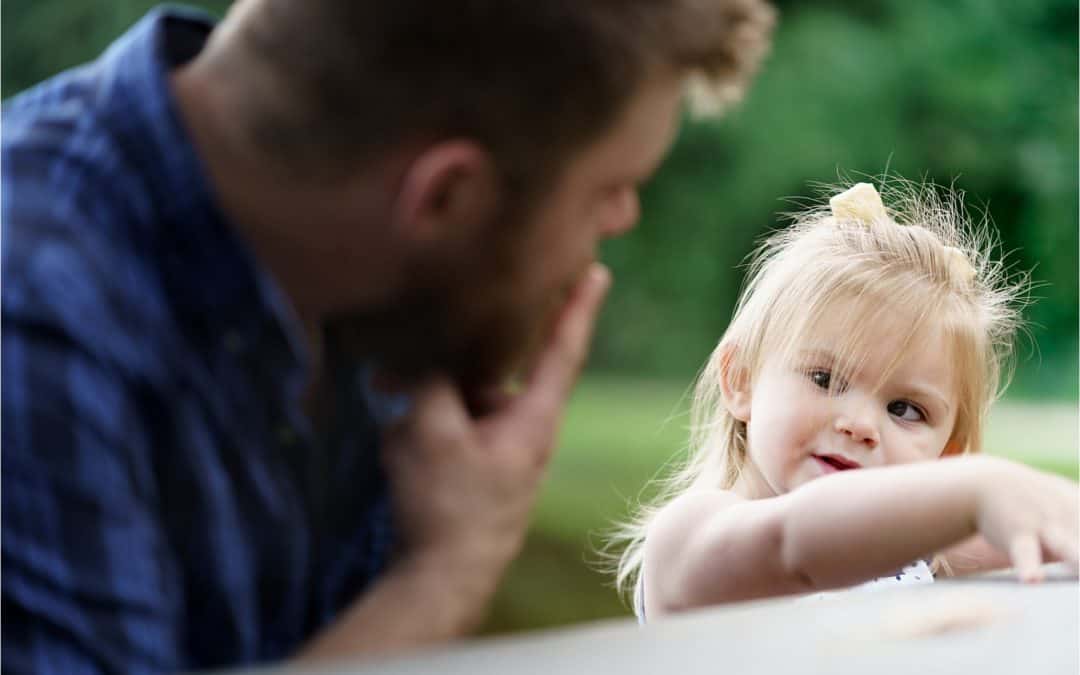
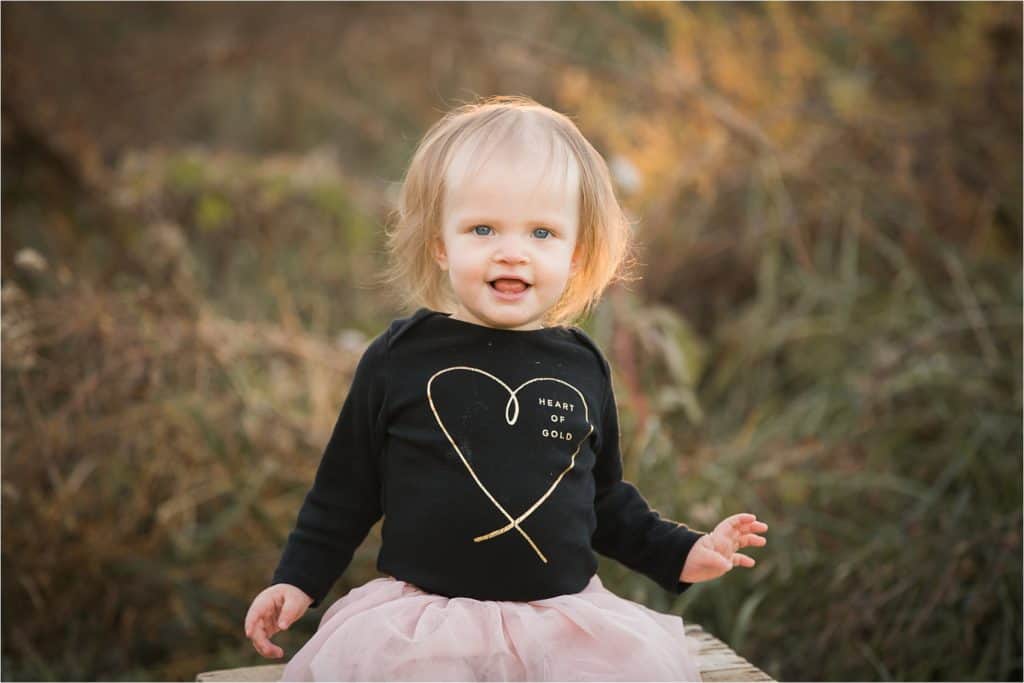
Evelyn is amazing. She laughs and babbles all the time. Evelyn loves to dance and move. She enjoys being around other children and her brothers. She doesn’t cry during treatments, but proceeds to toddle around the treatment areas to say hi to the other patients. She is a sweet girl.
At Evelyn’s 12 month doctor appointment, the day after her 1st birthday, the vision machine couldn’t get a reading. Then the pediatrician tried to shine a light in her eye but kept repeating it for a few times. She then said something looked off, and asked us to go see an ophthalmologist. However, later that day, the pediatrician said she called the ophthalmologist and that he requested that she be seen first thing in the morning. Well, we were first seen by a resident, who then brought in her boss, then the Ophthalmology Department head. They informed us that she has retinoblastoma, but she needed confirmation by a specialist in the field, since this is a rare cancer. We then were immediately sent to Dr. Deegan who helped formulate her plan of treatment after 3 exams under anesthesia, 1 MRI, and visits to 2 different doctors for confirmation. We are now at a point where we can say her prognosis is good and the tumor is shrinking. She will likely forever have vision issues in her right eye, but we are hopeful that they are minimal.
We had no symptoms, which made this a complete shock and surprise for us. At this point, Evelyn has had 4 in-patient chemotherapy treatments which last 2 days each, 2 focal laser surgeries, 2 inpatient stays due to high fever, 2 MRIs under anesthesia, and 3 exams under anesthesia, with more treatments and surgeries to come. Our main struggle revolves around the fact of managing Evelyn’s treatments while allowing for her 2 big brothers to have some semblance of fun in their lives.
Our family has cut back on activities for the boys to minimize possible exposures and we are trying to figure out how to handle their upcoming birthdays along with the holidays. In addition, we have a great support network from the out of town grandparents to live with us on and off throughout. It has been an incredibly emotionally draining process and just frankly exhausting!
Hope session by JoAnna Robbins Photography. website | facebook
Colton is a live wire! Nothing brings him down. He’s a horse fanatic and loves to ride his horse Bullseye. He loves rodeo and nearly any type of animal. He also likes old western movies and curious George. He’s a fighter!
I noticed Colton had a lazy eye and glow that could be seen in photos. Shortly after, he was diagnosed with Retinoblastoma. Retinoblastoma is a form of cancer that develops in the retinas. The cause of retinoblastoma for some children is a genetic defect and for others a mutation of the chromosome 13 gene but any child can be diagnosed with retinoblastoma. Symptoms of retinoblastoma usually include a squint or a loss of vision. Colton has had chemotherapy, cryotherapy, and laser therapy. If his treatment is unsuccessful, he will have his eye removed.
I went from having a great, steady job to not being able to keep my employment because of constant trips to the hospital. Being a single parent means all of Colton’s care falls on me. Not being able to work during his treatment has been very trying but his fighting nature keeps me going!