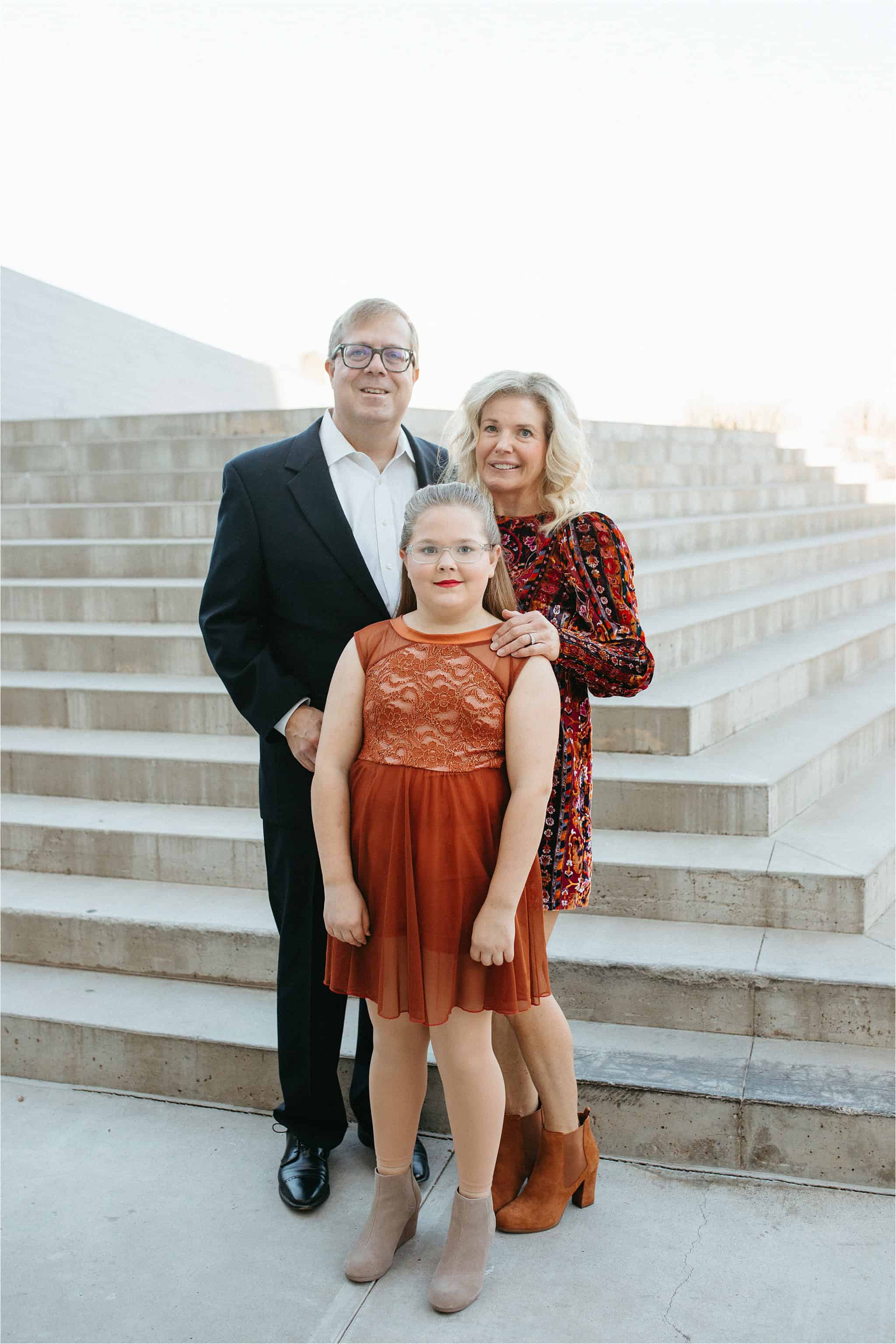
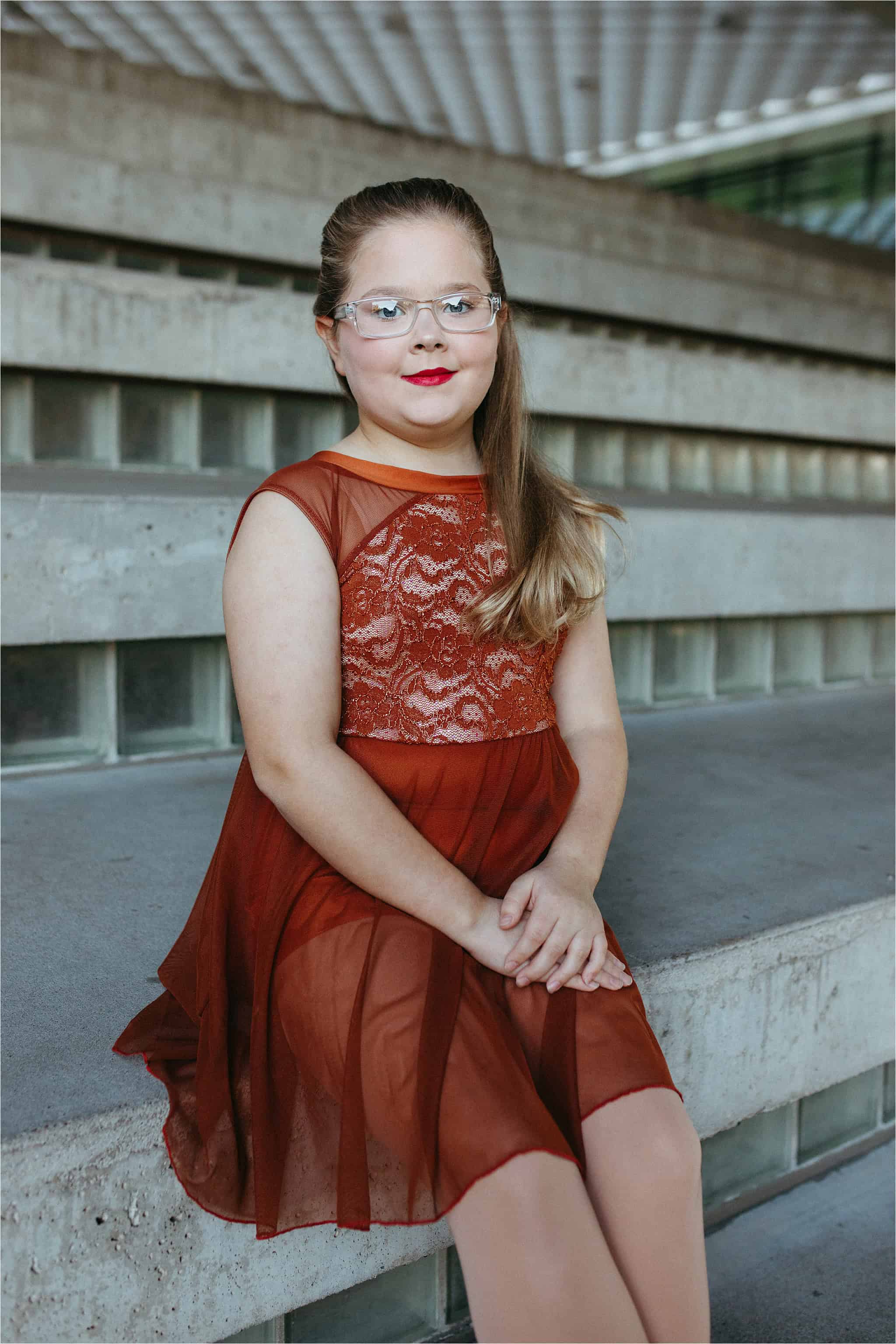
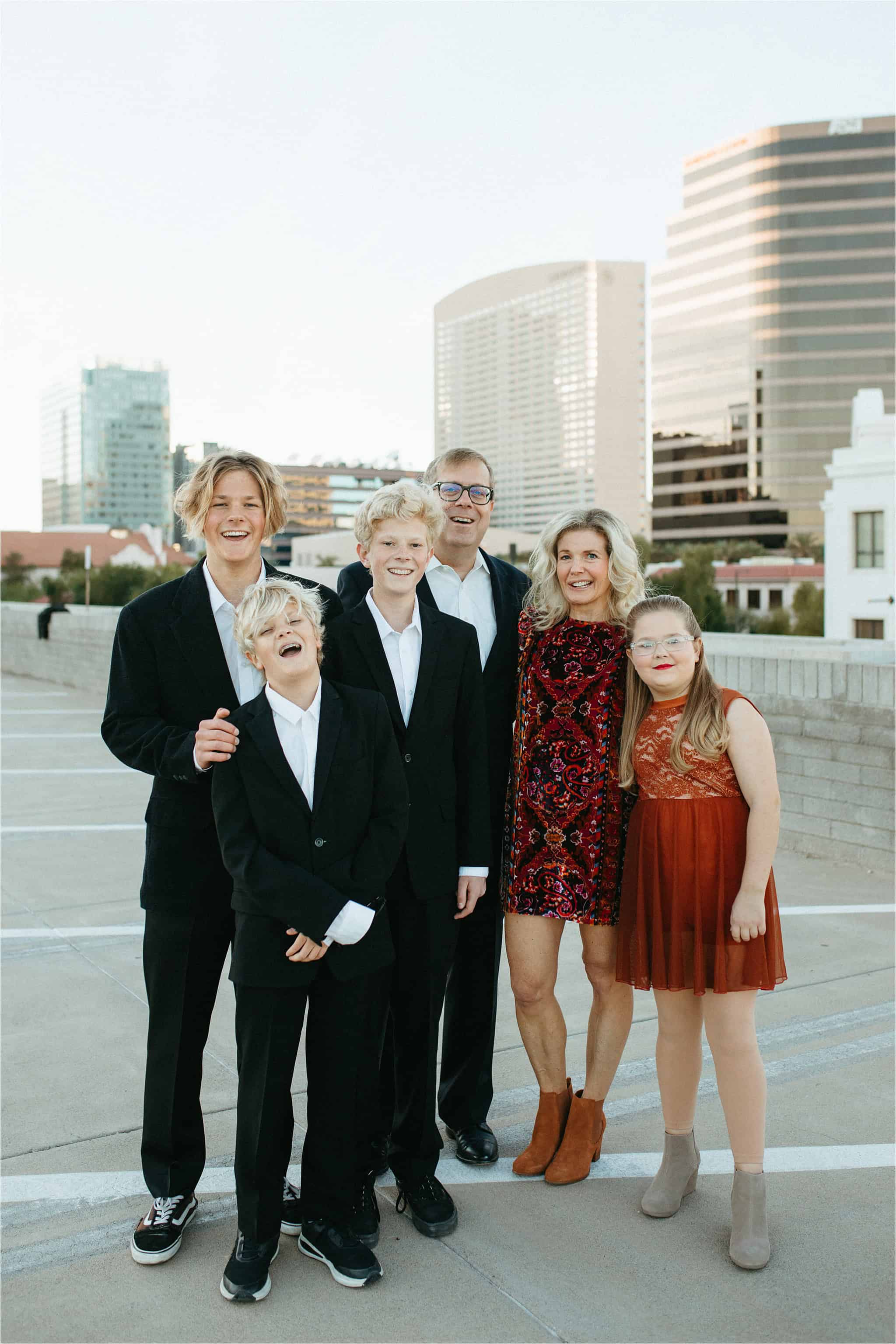
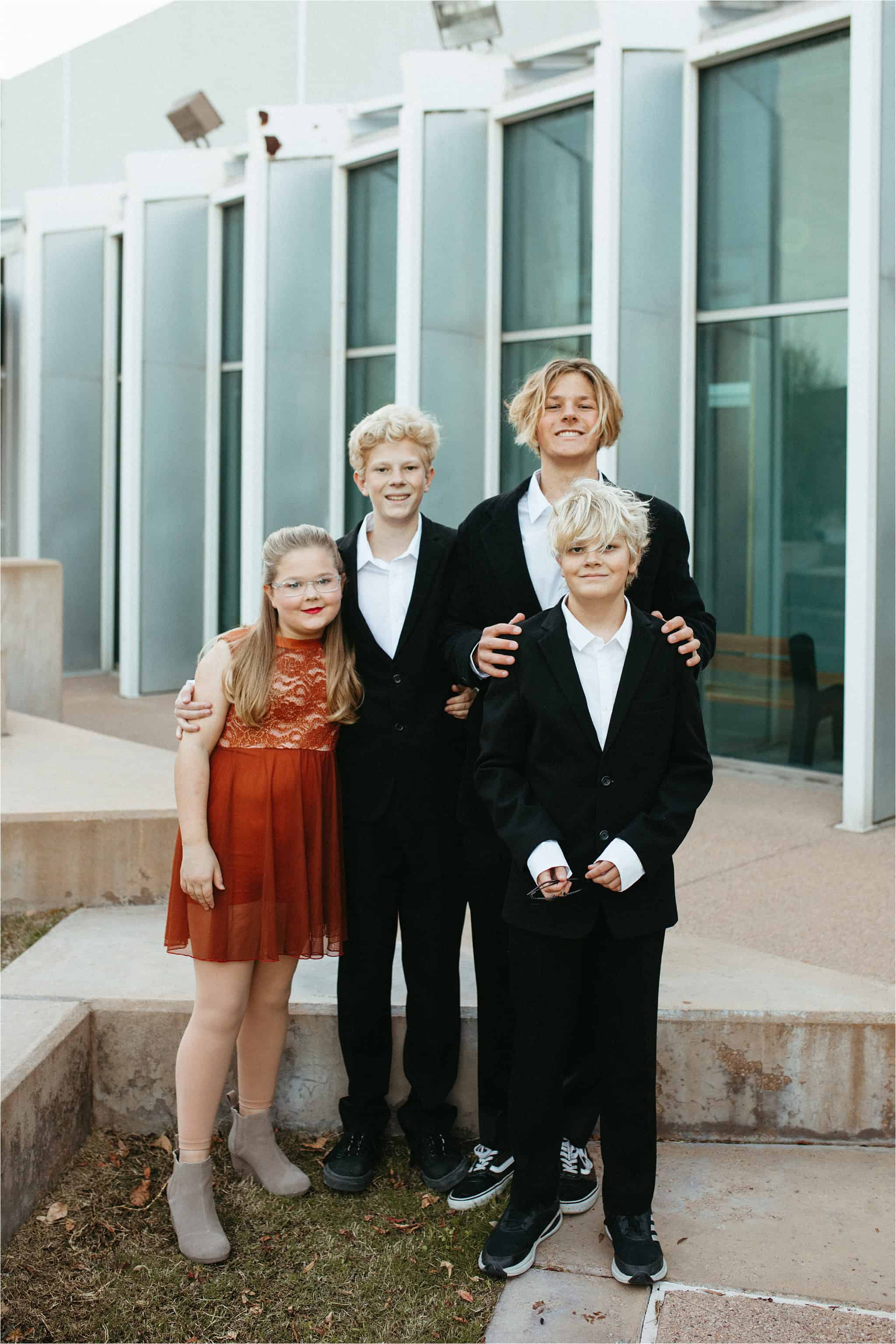
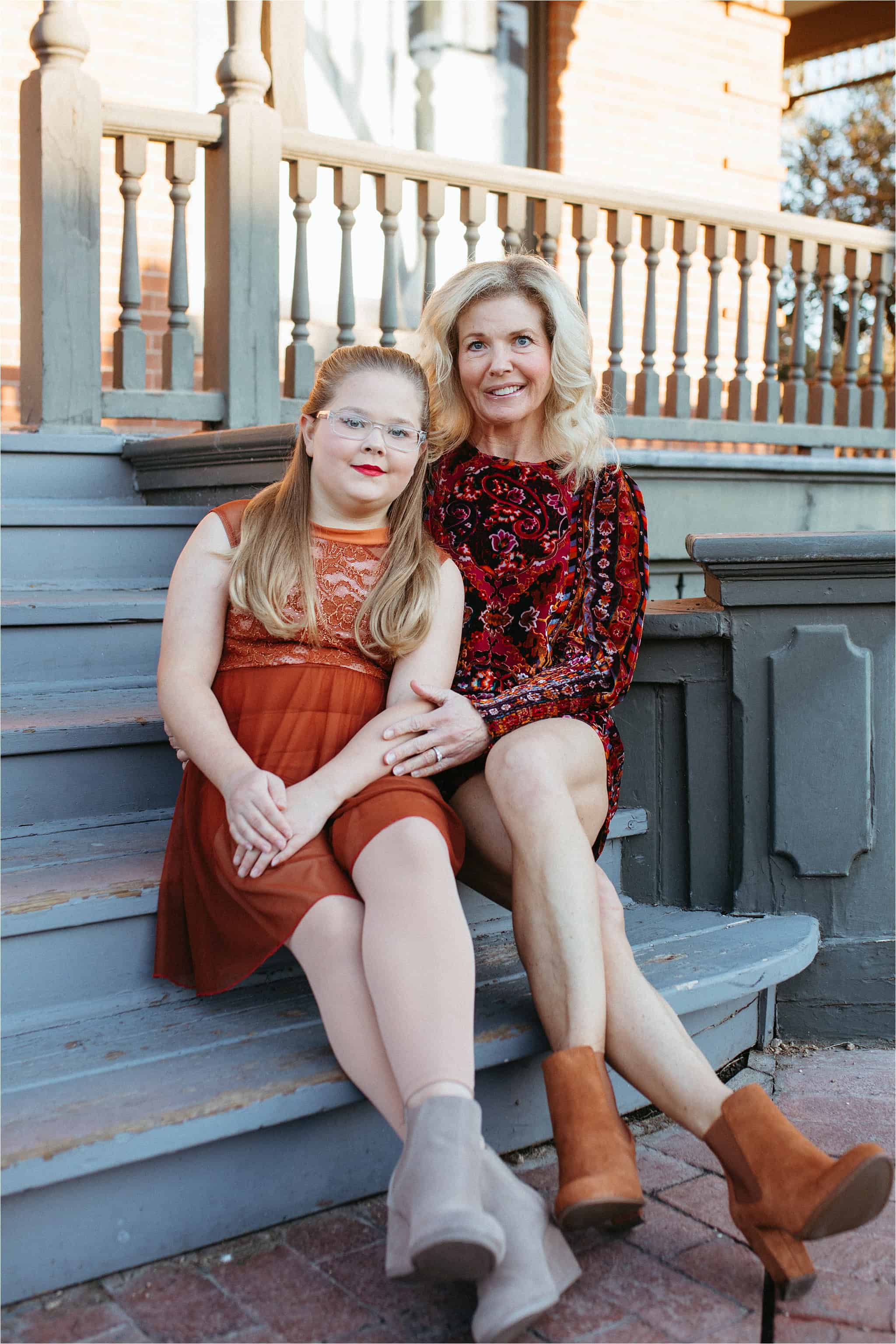
Gianna was diagnosed with AT/RT in December of 2018,. She underwent 10 months of treatment. She did regular chemo, high dose chemo with BMT, and finally radiation. We were treated at 3 different hospitals. We were at Valley Children’s first, then UCSF Benioff, and finally at Radys in San Diego. She is currently stable and will be going on 2 years without treatment.
Even in the darkest times, she has made me smile and tell me she’s fine. She has been a fighter!
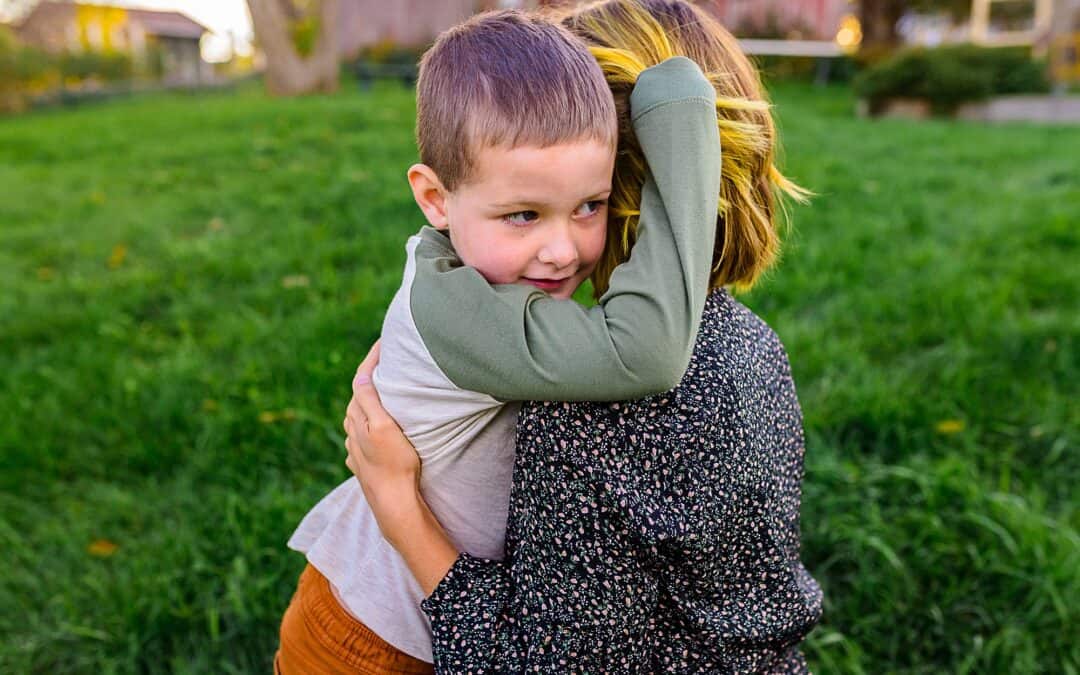
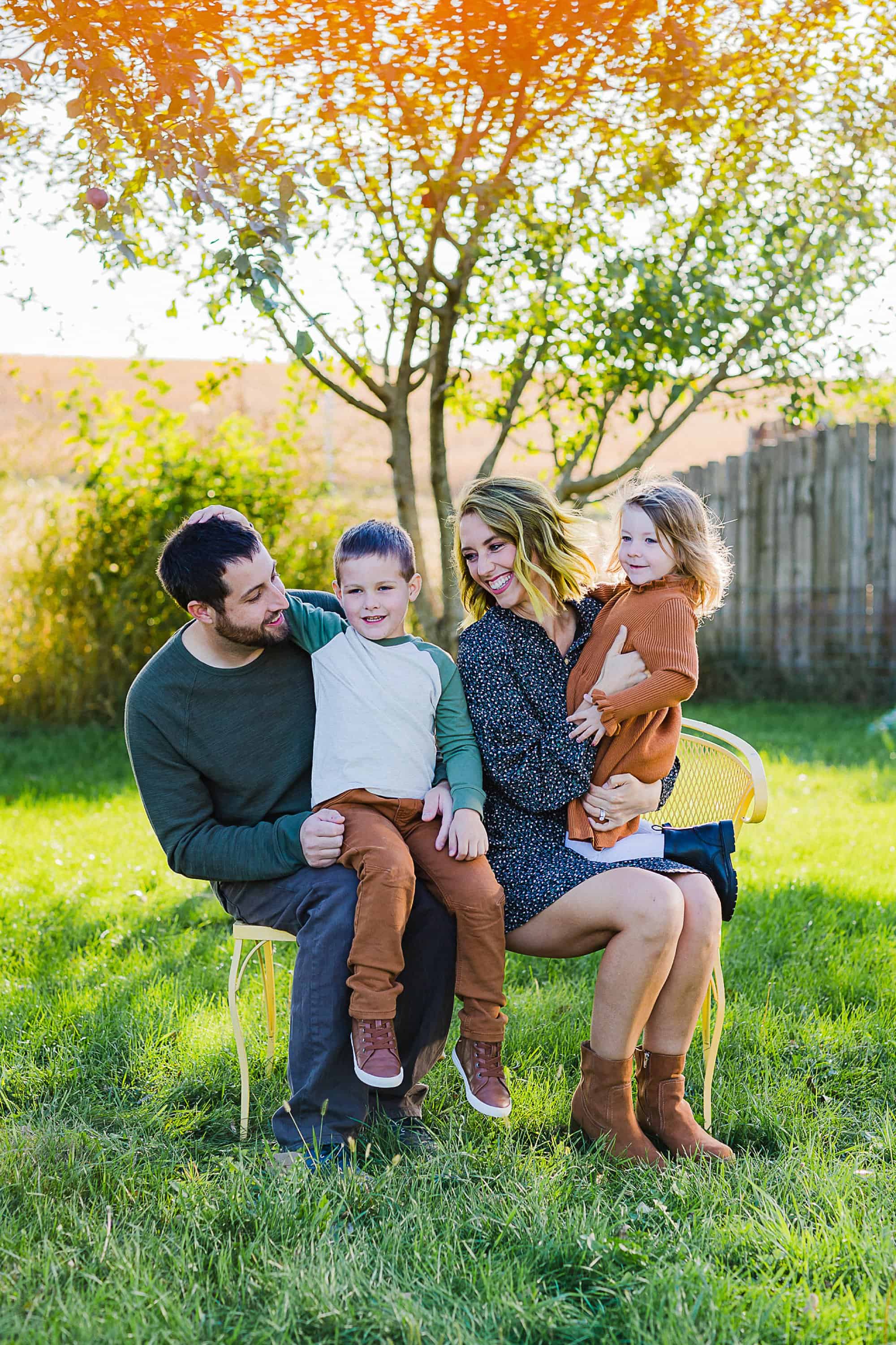
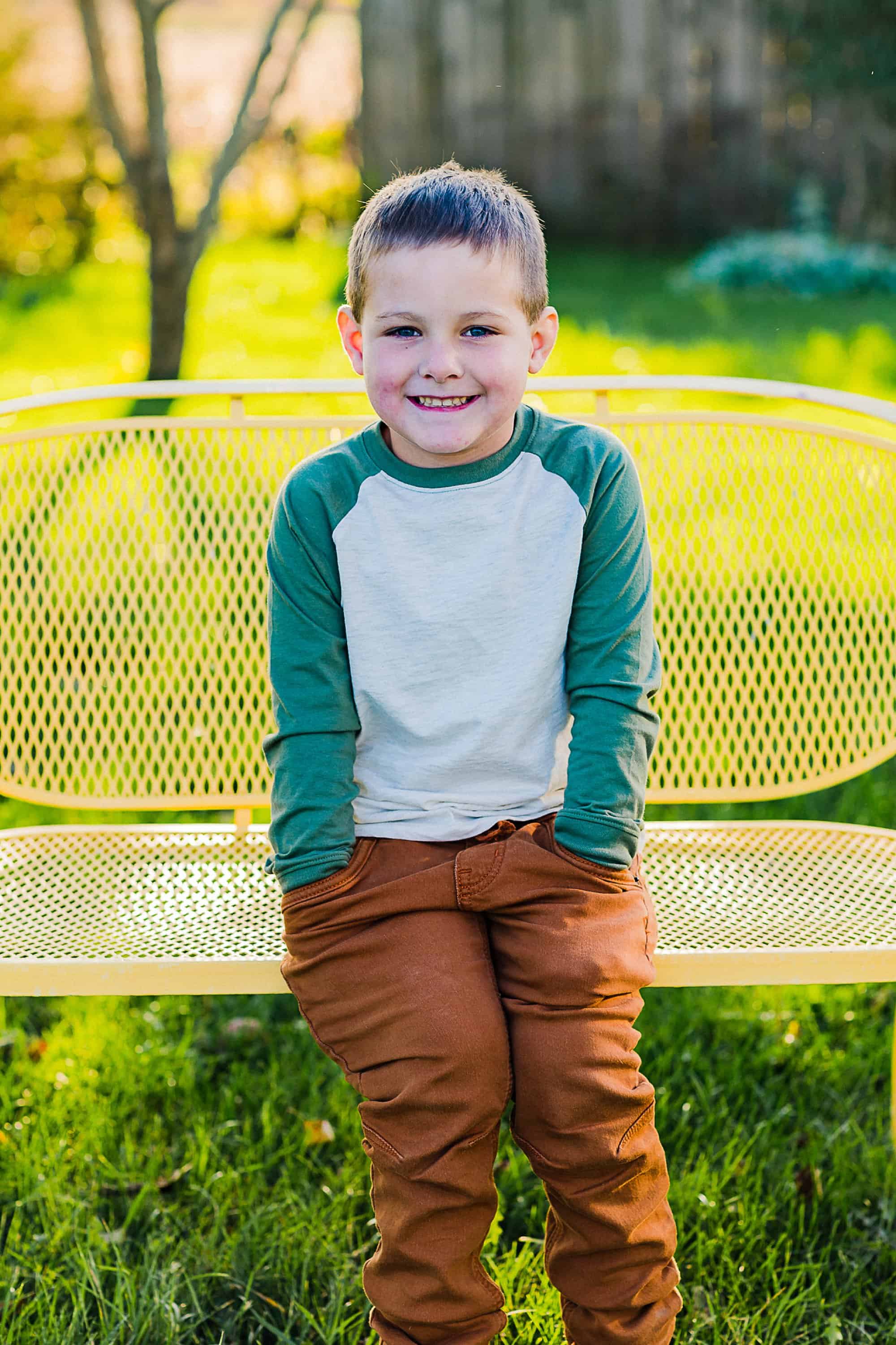
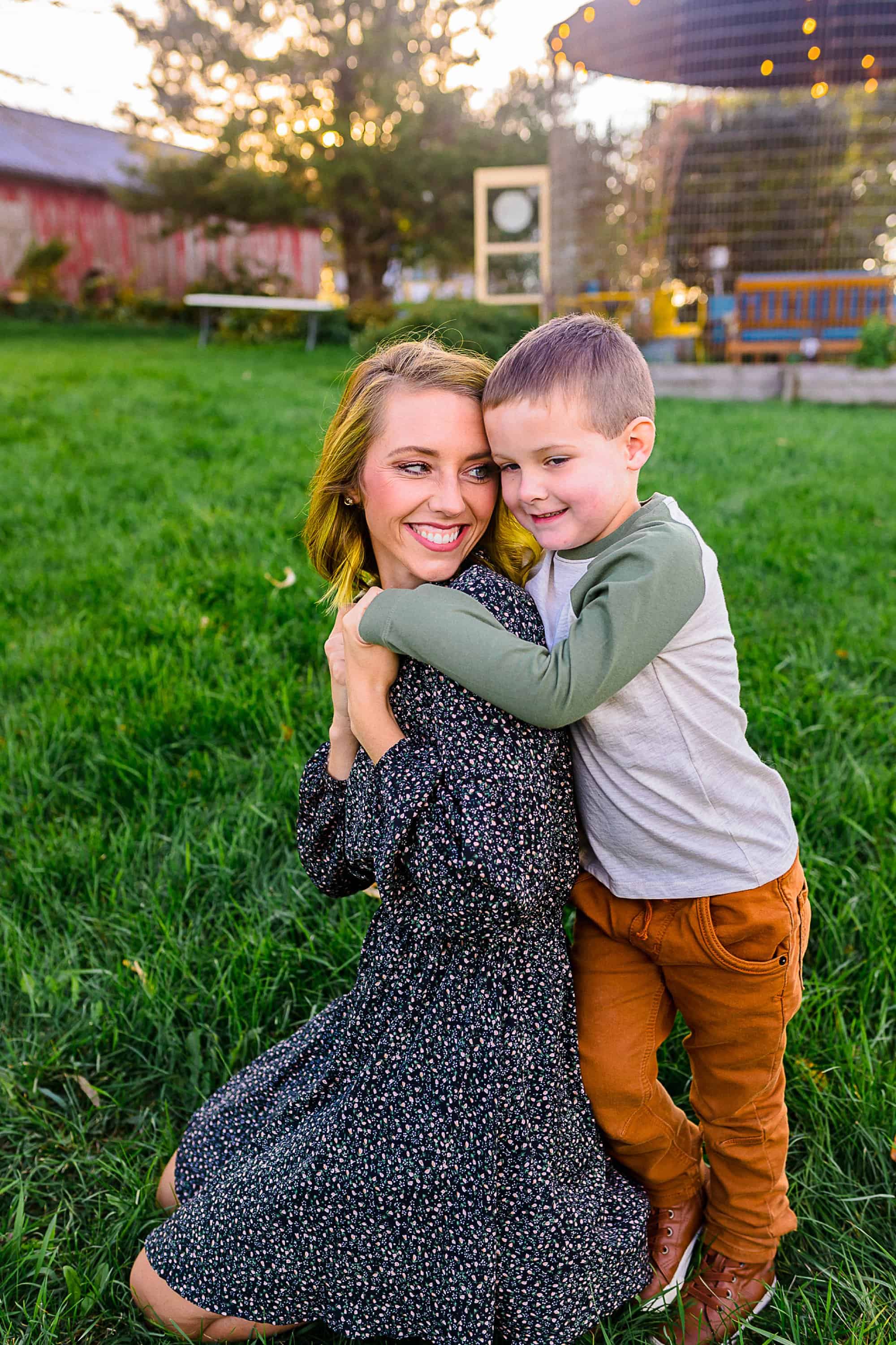
Max loves to laugh – he loves singing and dancing – even in the hospital when we were inpatient for over a month. He also likes to be a little chef and help me cook in the kitchen, his specialty is baked apple cider donuts and chocolate chip cookies.
He was first diagnosed with Medulloblastoma in September of 2018. His first relapse was in November of 2019 and again in April 2021. Before diagnosis, his symptoms included poor balance and coordination, slow processing speed, poor memory, poor fine motor skills, right eye strabismus, and high-frequency hearing loss.
Maxime’s dad and I have been divorced since last year and with his relapse, I haven’t been able to go back to work full time so paying the bills has been a challenge. And with the amount of time he spends with treatment tests and doctor visits and therapy, it’s been a challenge to accommodate playdates to keep him socialized especially with the pandemic and being an only child – it’s been mostly just the 2 of us for the past 2 years. We have become more reliant on my mom, friends, and neighbors for help and support.
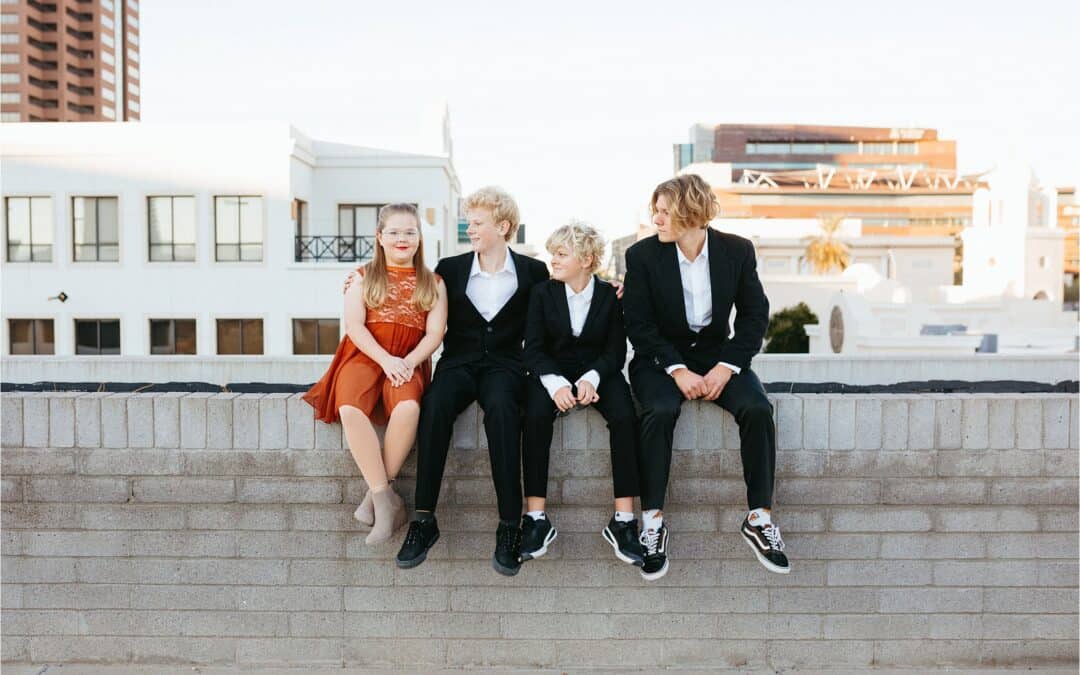
Lily was diagnosed with cancer when she was 5 months old. Before she was diagnosed, we noticed that her eyes started wiggling back and forth. An MRI was done and showed that she had bilateral tumors on her optic nerves.
Lily started her first treatment at 7 months of age. She has spent most of her life on chemotherapies and most recently a clinical trial. Due to the tumors being on Lily’s optic nerve, she suffers from low vision. We are hopeful to find a treatment to stop the tumor from growing.
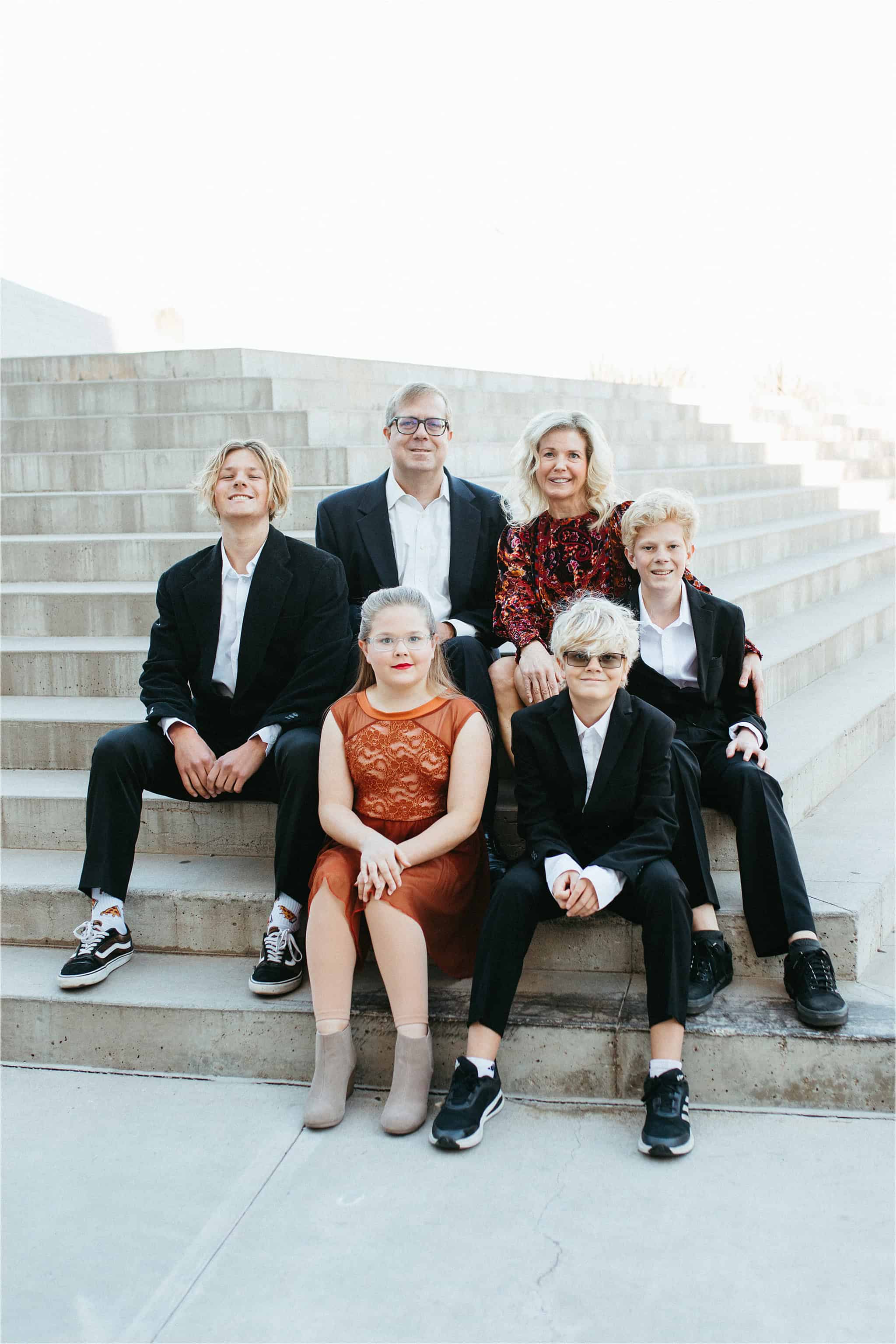
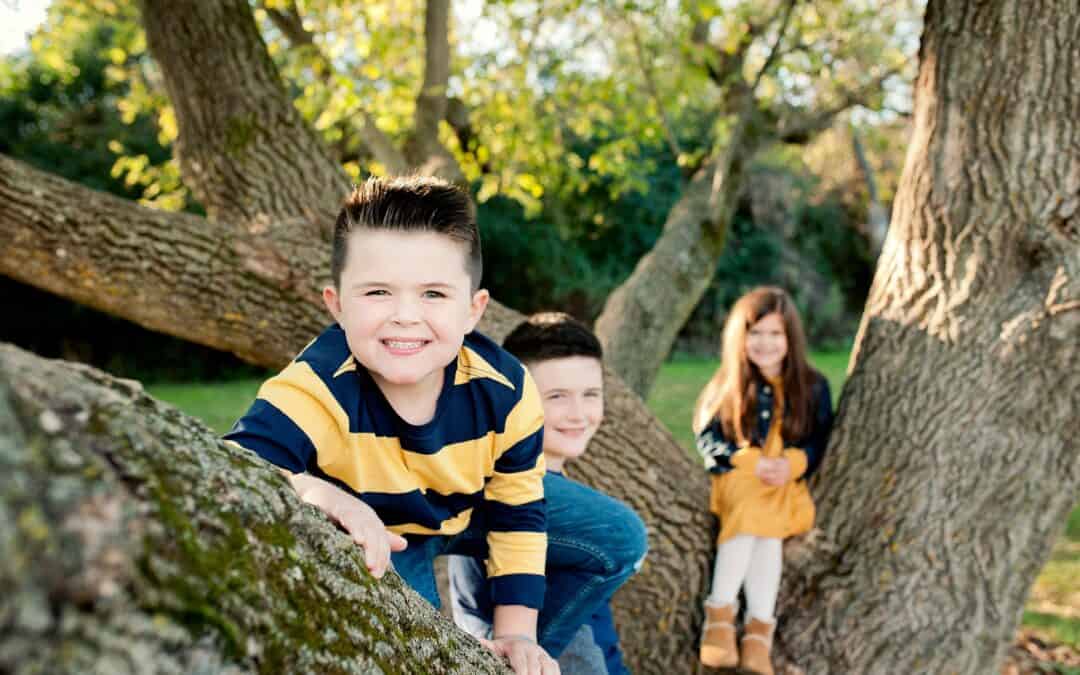
Much of our focus has been on getting her well and it makes it difficult to focus on her brothers. The financial and emotional burdens of this disease are difficult.
Haylee woke up in the middle of the night complaining of severe leg and hip pain. As time went by, we tried giving her Tylenol and the pain seemed to just keep getting worse. I took her into the emergency room on that Sunday morning where blood work revealed that things weren’t right. We immediately were sent to Children’s Hospital in Omaha where Haylee would undergo a bone marrow biopsy on Monday morning revealing that she had Leukemia.
Haylee has been undergoing IV chemotherapy, oral chemo at home, and chemotherapy injected through lumbar punctures periodically. The biggest struggle we face because of treatment is the emotional toll that it takes on us. It is hard watching your 6-year-old child go through something so awful knowing there is nothing else you can do about it. The other struggle is juggling time off work for appointments, costs of travel, and keeping stress levels down.
This diagnosis has changed our family life in many ways. Our family has always been tight-knit but has grown even closer since all of this has happened. We are more cautious about what we do and the people that we are around due to germs. We have learned to truly cherish all of the moments that we have together and make the best out of an awful situation.
Before Hudson’s diagnosis, I noticed a rash called petechiae on Hudson’s forearm just shortly before diagnosis. I knew what this was caused by as I work in medicine. I began to watch for other subtle symptoms such as paleness, bruising, appetite changes. I monitored his temperature for a few days. His temperature was elevated and he was running low-grade fevers, also a sign of childhood cancer. I called our pediatrician and requested a CBC to check his blood counts for leukemia. An hour after labs were drawn we received the crushing news.
Hudson has needed a lot of fine-tuning and adjustments during treatment. At diagnosis they found one possible leukemia cell in his spinal fluid, making him CNS2A This has required more lumbar punctures and chemotherapy into his spinal fluid. Nothing about this diagnosis has been easy physically or mentally. He continues to show his strength and resilience and power through the side effects and pain he’s enduring. At different points in treatment, he stopped walking, talking, and eating. He’s endured more pokes, tubes, and procedures than anyone should in their life.
There are many obstacles we have had to overcome and many more we will face. These obstacles won’t end when treatment ends. Every day there is an obstacle. Some are smaller than others. We’re all working through anxiety and PTSD from treatment and various experiences. We’ve noticed there are many triggers we will be dealing with. As his parents, we’ve had to overcome our own fear and do whatever is necessary to keep our child alive and as healthy and happy as possible.
We’ve realized our love is so much grander than our fear. With this diagnosis we’ve become isolated, we’ve lost friendships and experiences, and are mourning the “what if” life we would have had without childhood cancer. Hudson’s little sister Violet was not even 3 months old when he was diagnosed. This is the only life she knows. We’re honored to be parents to such strong and resilient children. This isn’t what their childhood should be like. Kids deserve so much more than this.
Lincoln was diagnosed with Leukemia on November 13, 2017, one month after his 4th birthday. About a month after the 2017-2018 school year began, Lincoln started to exhibit typical cold virus symptoms. About a week passed and his cough started to get worse, he had a recurring fever and an unexplained rash. After two trips to the pediatrician, the doctor thought he had a persistent virus and then bronchitis. He was put on a course of antibiotics but was not improving. On our third visit, the doctor thought he possibly had mono, so blood work was taken and we were told to go to Children’s Hospital immediately. We were told nothing else other than we were being admitted and they would have more information for us when we got there.
As soon as we got to our room, it was quite a whirlwind. They ran more tests and got him as comfortable as possible. It was later in the evening, so the Flight for Life crew was the ones to put his PICC line in so he could get started on the fluids and medicine he needed right away. After things were settled a bit, an oncologist came to visit us and told us what she suspected. She said she was not sure, but they believed Lincoln had leukemia. They would still need to do more tests. They did not know which kind yet. His tests had to be sent out of state because the results of his tests were unusual. Lincoln was officially diagnosed with acute bilineage leukemia on 11/13/2017. It took longer than usual to officially diagnose Lincoln because bilineage means he has two types of leukemia, both AML and ALL which is very rare.
Lincoln’s treatment plan is 3.5 years long. He is scheduled to be done this coming March. His treatment involves chemotherapy, steroids, spinal taps, bone marrow aspirates, and blood transfusions. Currently, he goes in monthly for chemo through his port (central line), quarterly for spinal taps with intrathecal chemo, and takes various daily oral chemo pills. Usually, the spinal taps are performed under anesthesia, but one of our fellow cancer warriors encouraged us to try it awake because the process is much quicker and he would not have to deal with anesthesia. He was the youngest patient to try it awake and we will never go back. Although he feels more pain with the awake procedure, for Lincoln, it outweighs the negative side effects he would have with anesthesia.
Lincoln made the transition from liquid or crushed pills in liquid to swallowing pills fairly quickly after struggling with the frequency and quantity of his required chemo. One of the most difficult things, in the beginning, was getting Lincoln to take his medicine. Many of the medications taste horrible and even mixing it with various things like chocolate syrup or applesauce didn’t do the trick. He would spit it out or even vomit and we would have to start the process all over again. Lincoln is now a pill swallowing champion!
Lincoln is doing well and has come a long way. We have become accustomed to the world of childhood cancer and it is part of our lives. He used to dread going to his appointments. Now, they are no big deal. Getting poked for a blood draw or in his port barely phases him. He still deals with some nausea and pain. One week out of every month, he takes steroids. The steroids disrupt his sleep and make him have very big emotions. This week is always difficult. Lincoln knows his body well and knows what to ask for when he needs it, so that is very helpful. Our family is also doing well. We have learned to roll with the punches and be flexible.
A childhood cancer diagnosis is something that affects the whole family in many ways. Lincoln’s brother and sister have been amazing, supportive, understanding, and loving. We could not be more proud of them. As parents, we are constantly on high alert for any tiny indication of fever or possible symptom of relapse. Many of the symptoms of relapse are the same as those of a typical virus. We try to focus on the positive and not live in constant fear.
Lincoln is doing well and has come a long way. We have become accustomed to the world of childhood cancer and it is part of our lives. He used to dread going to his appointments. Now, they are no big deal. Getting poked for a blood draw or in his port barely phases him. He still deals with some nausea and pain. One week out of every month, he takes steroids. The steroids disrupt his sleep and make him have very big emotions. This week is always difficult. Lincoln knows his body well and knows what to ask for when he needs it, so that is very helpful. Our family is also doing well. We have learned to roll with the punches and be flexible. A childhood cancer diagnosis is something that affects the whole family in many ways. Lincoln’s brother and sister have been amazing, supportive, understanding, and loving. We could not be more proud of them. As parents, we are constantly on high alert for any tiny indication of fever or possible symptom of relapse. Many of the symptoms of relapse are the same as those of a typical virus. We try to focus on the positive and not live in constant fear.