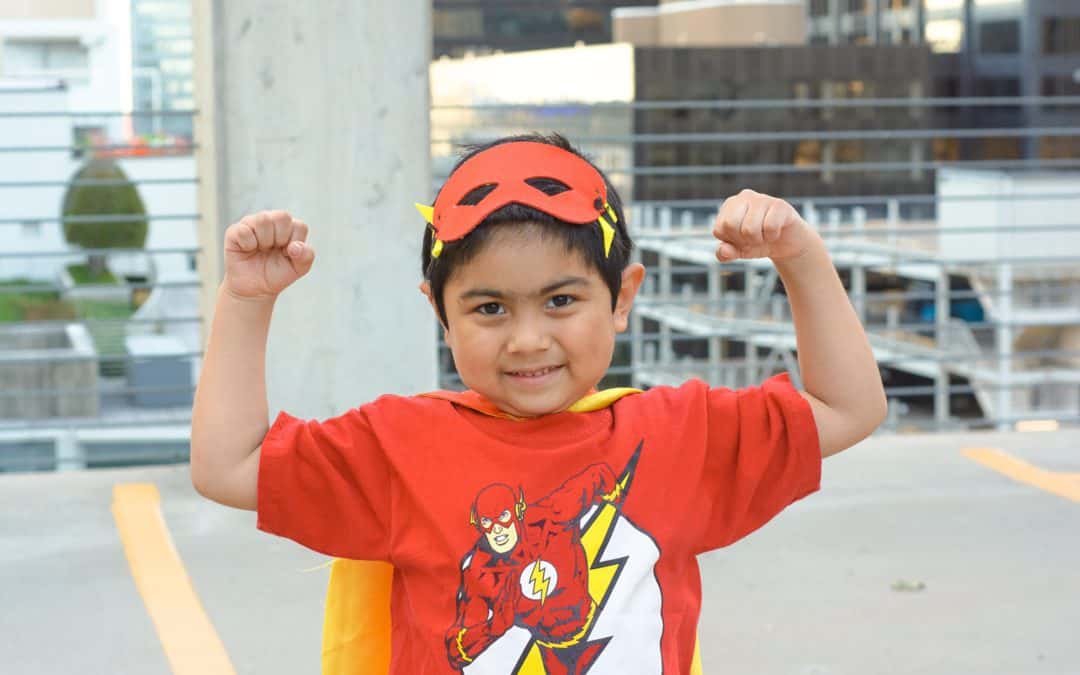
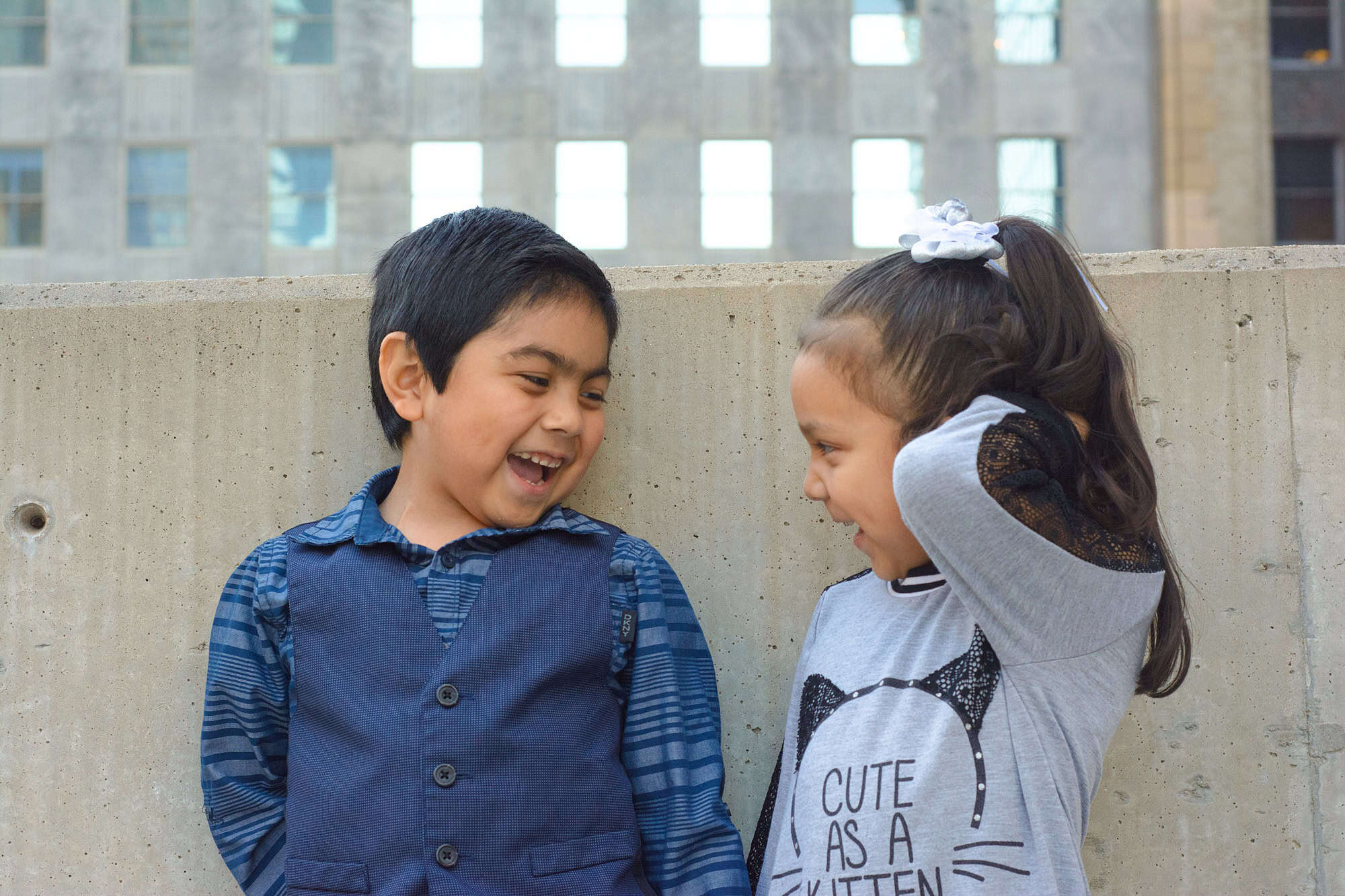
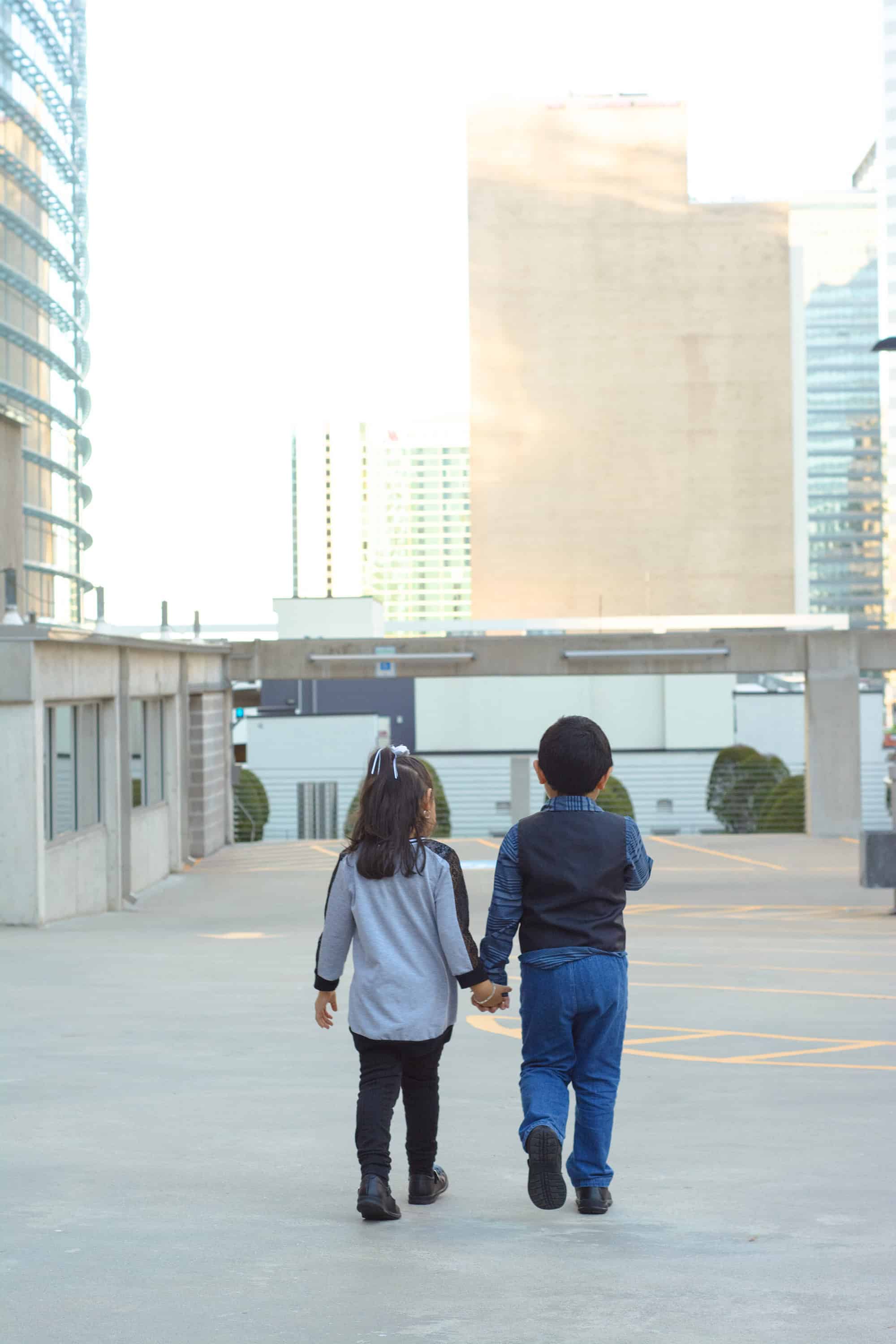
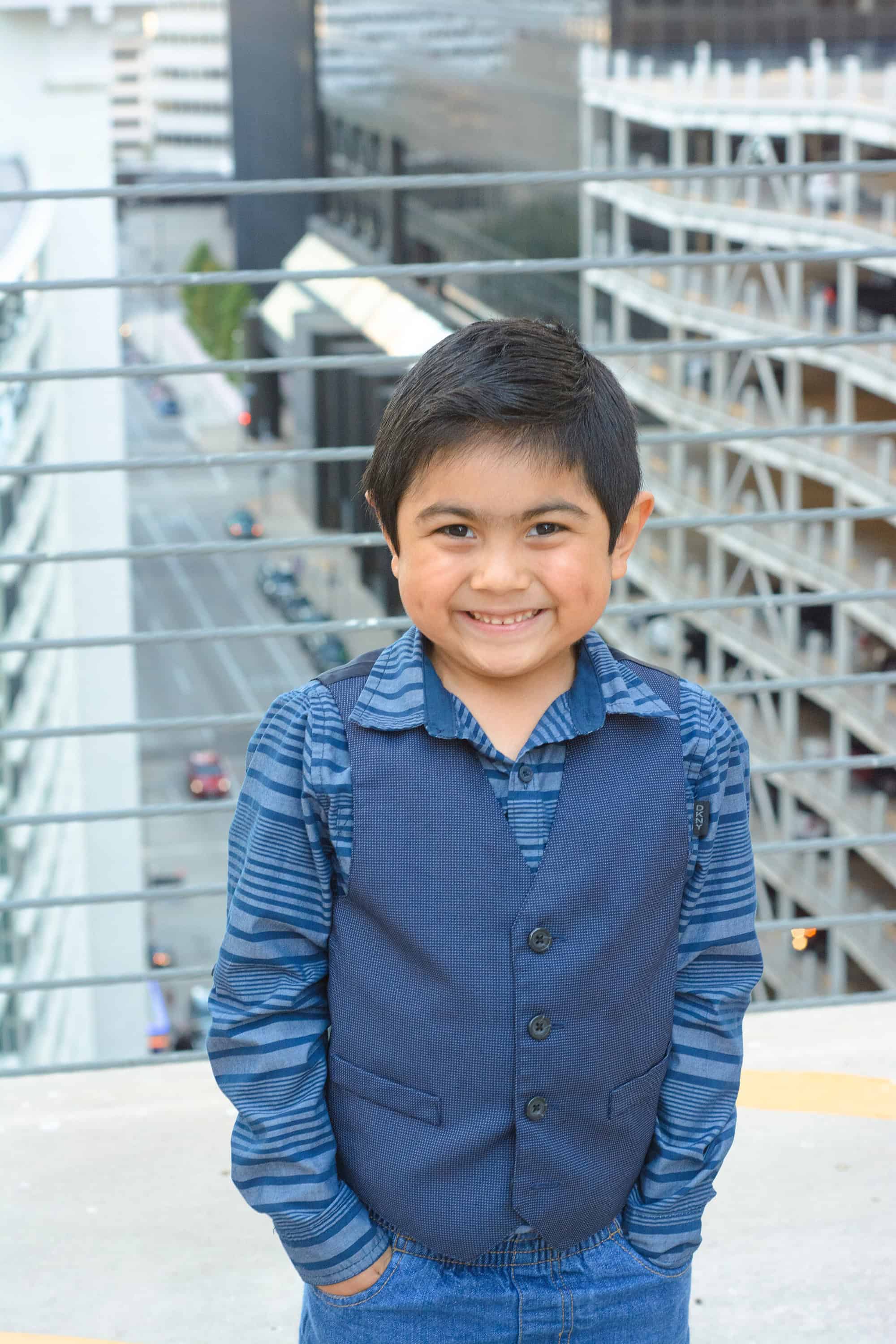
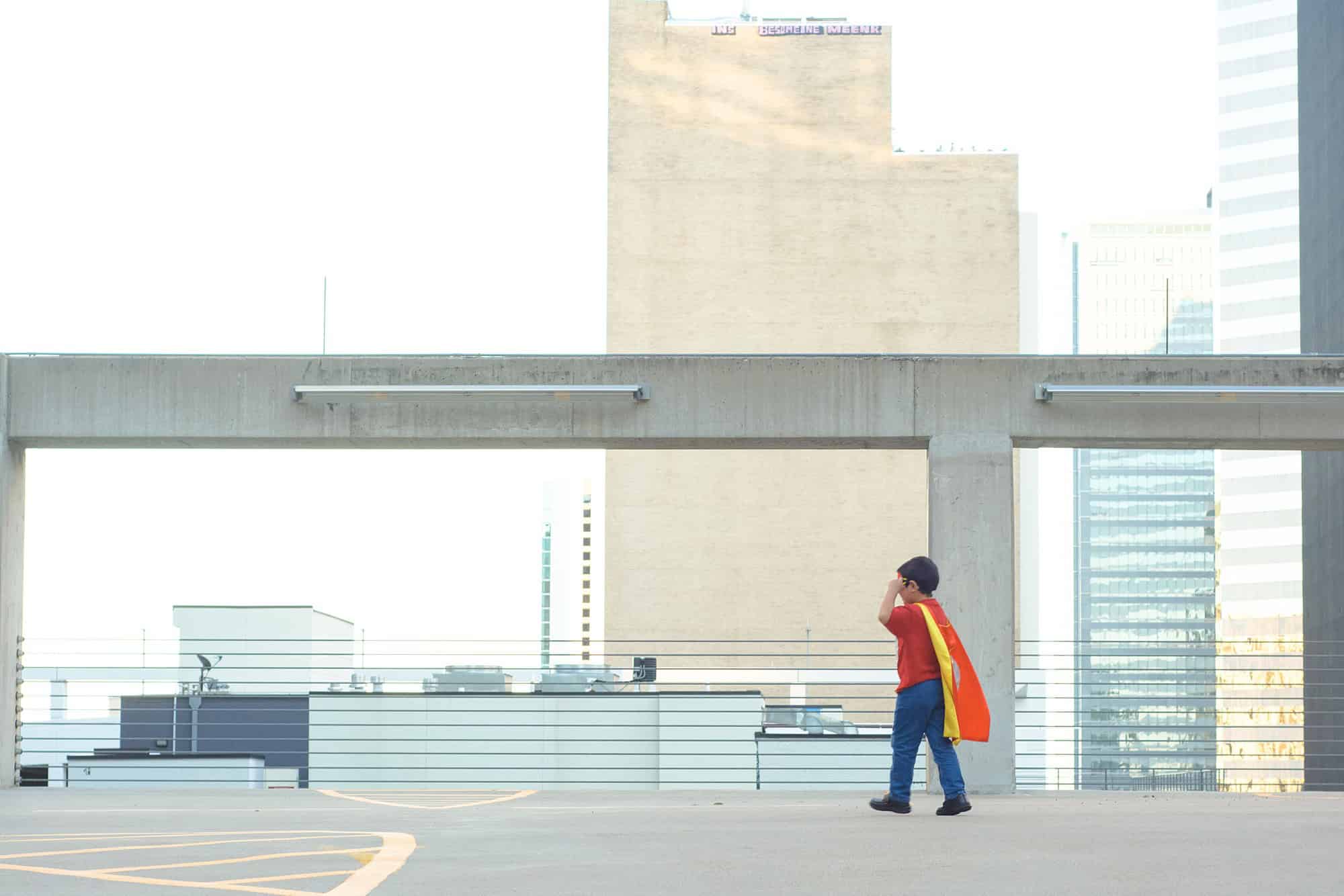
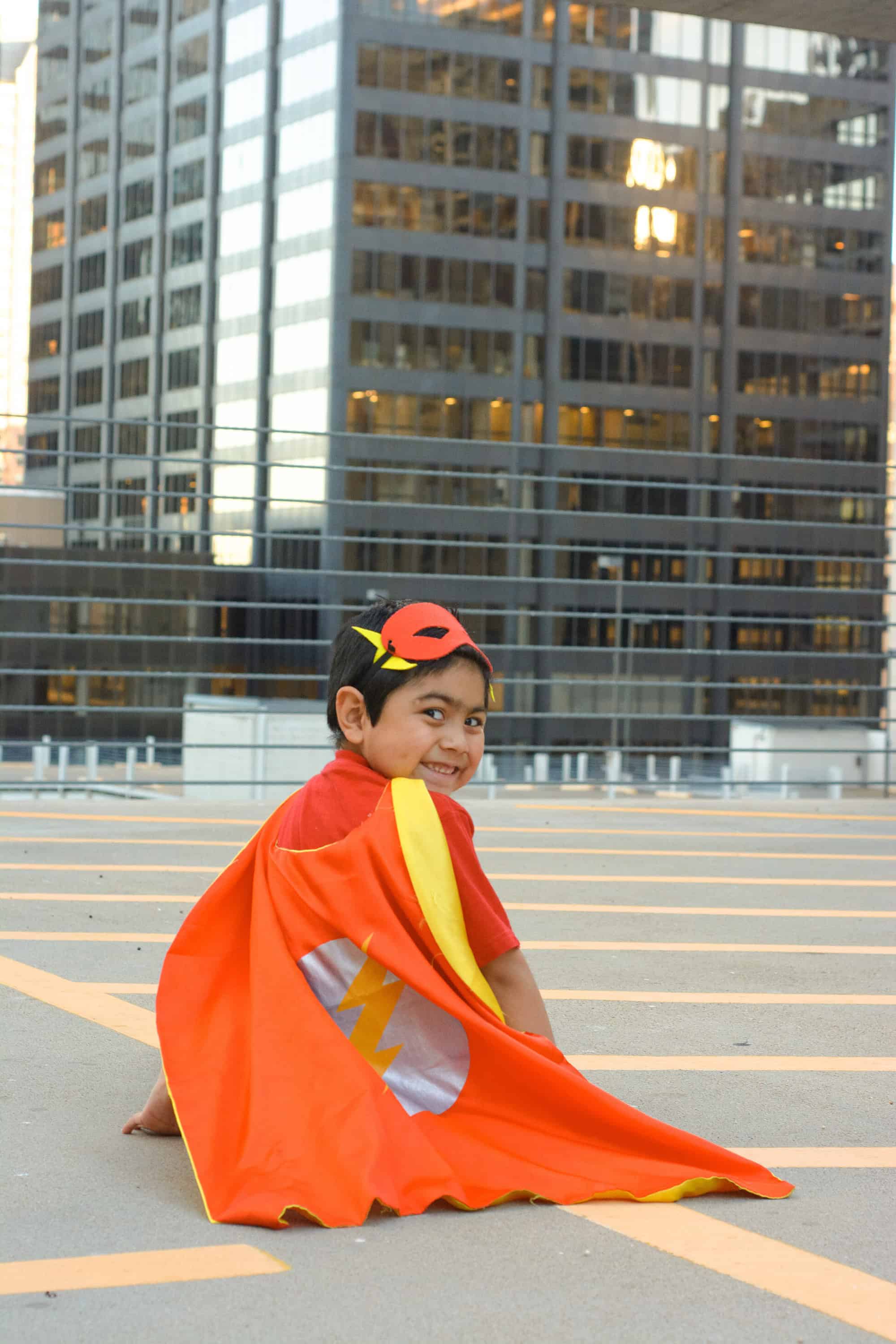
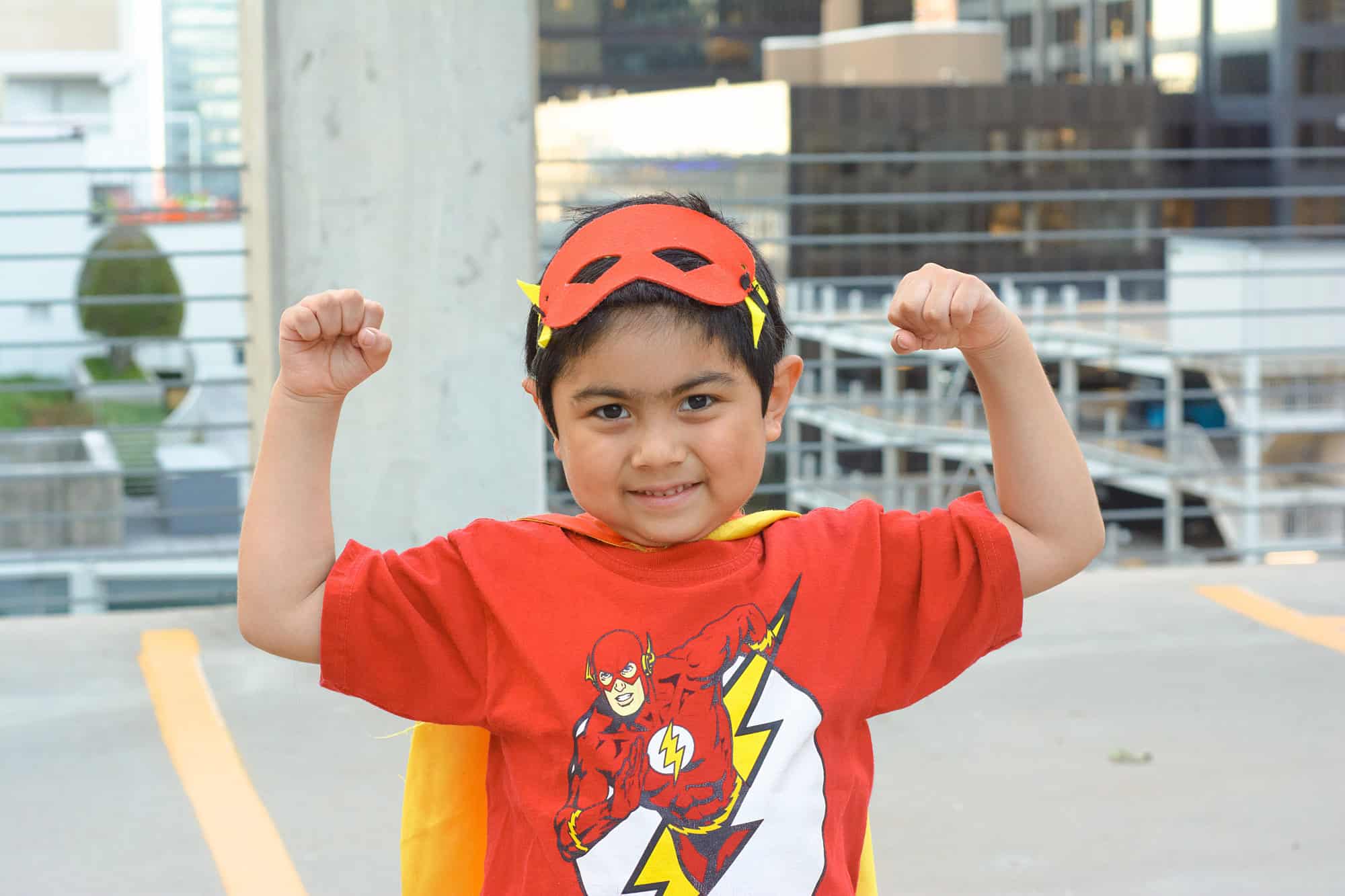
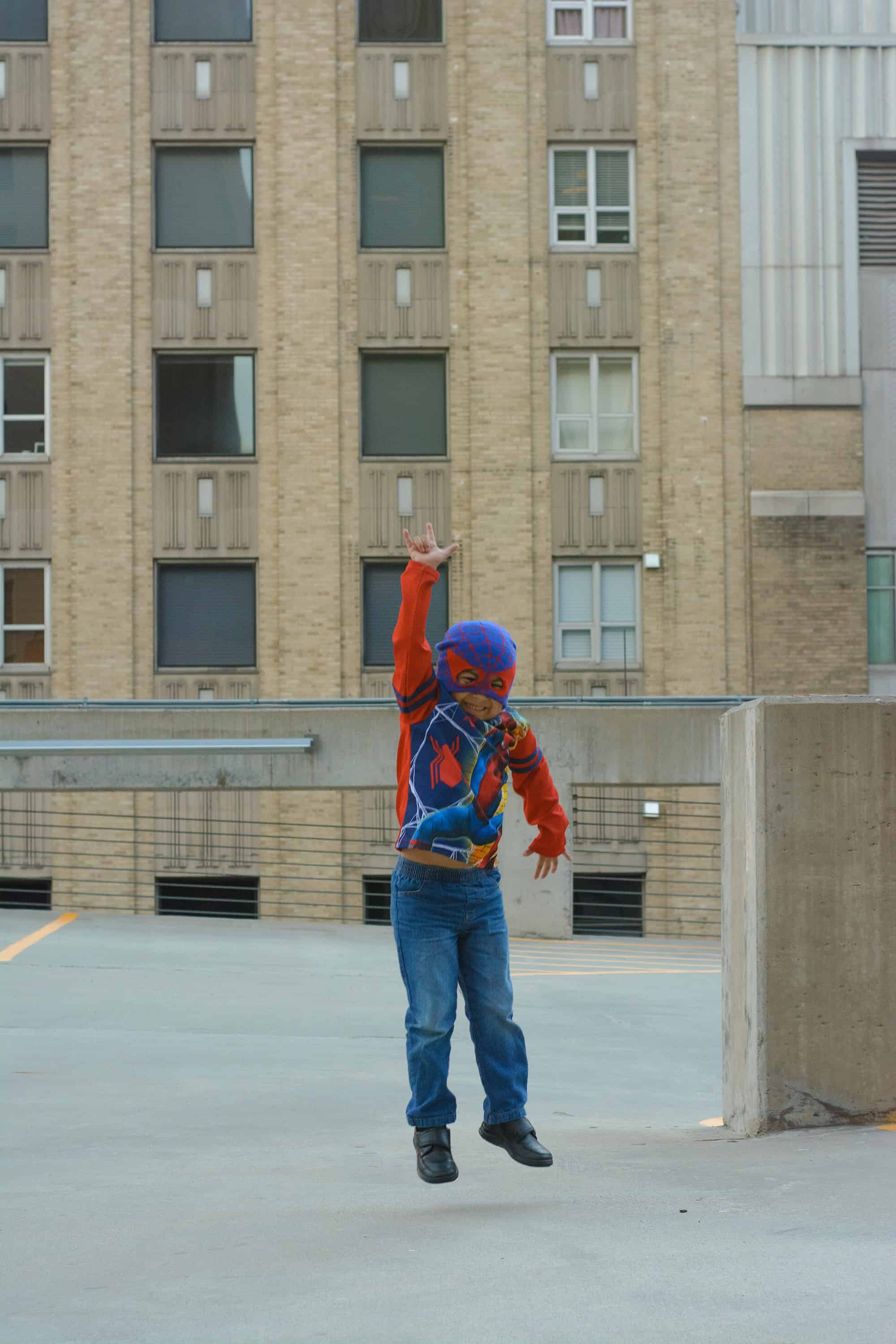
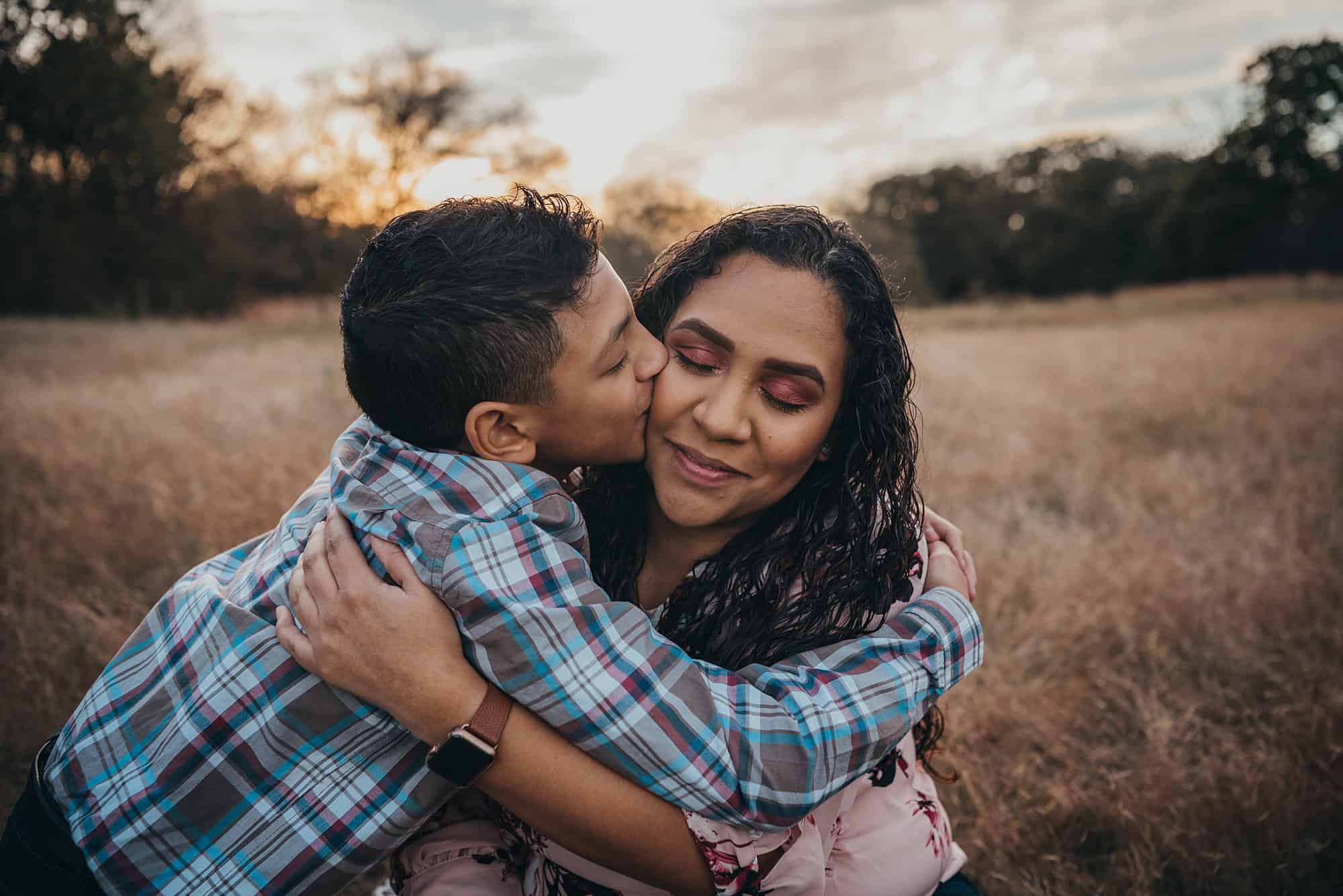
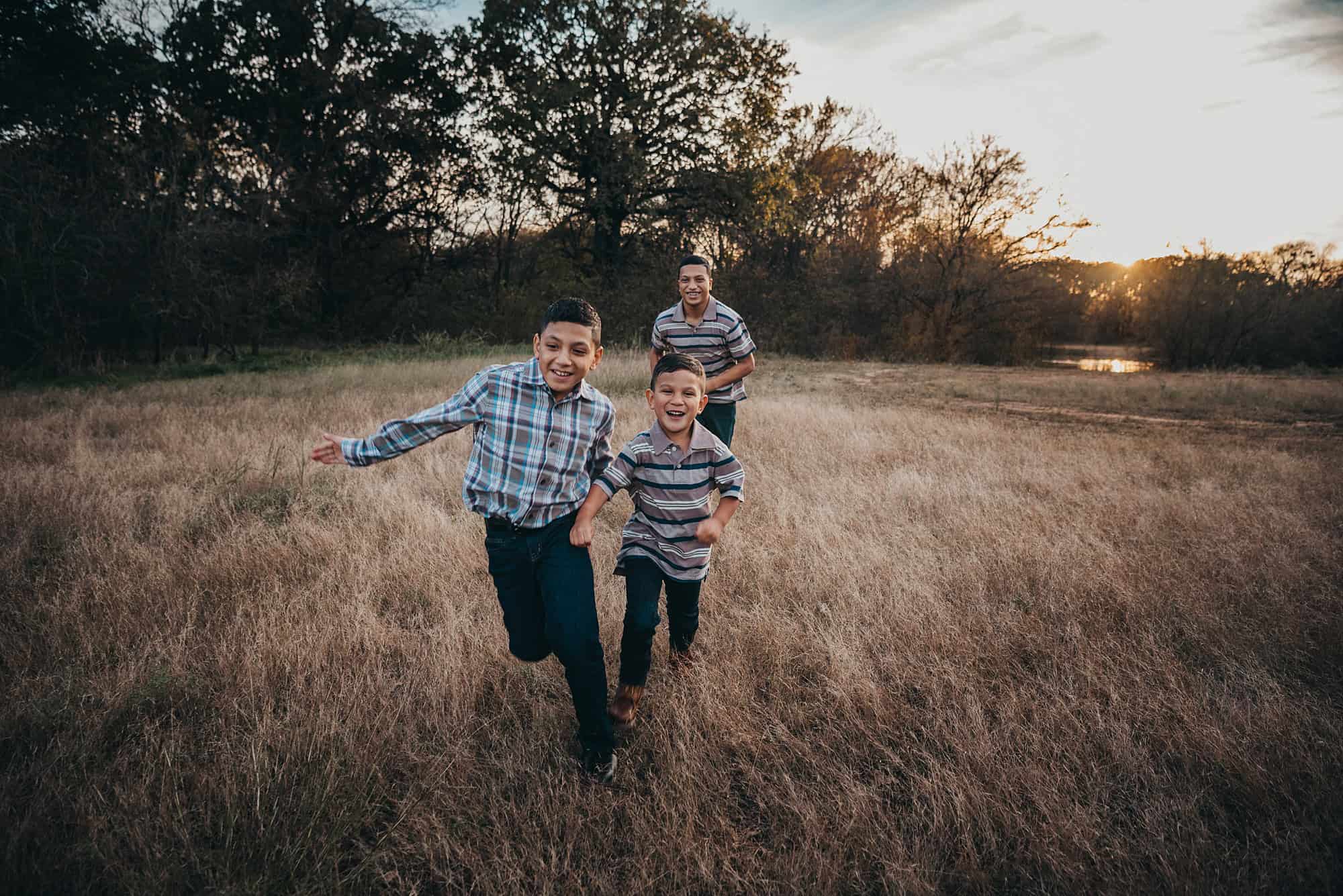
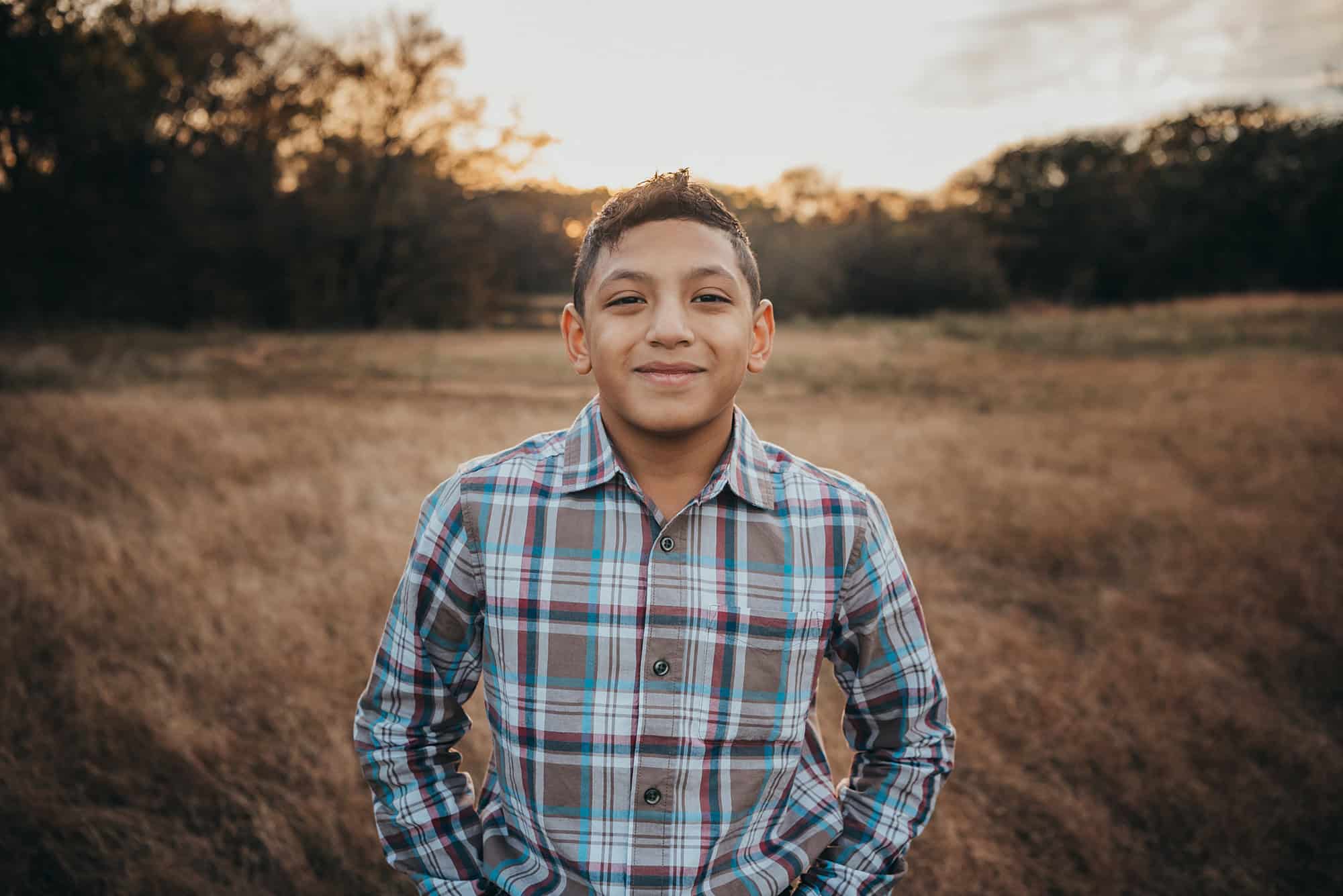
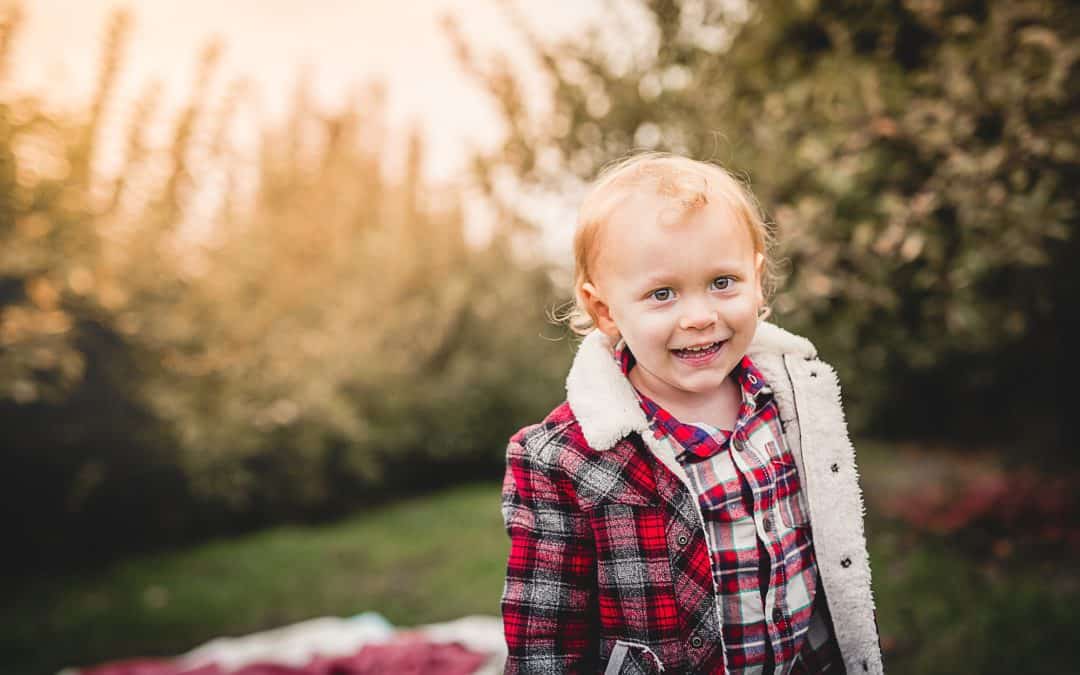
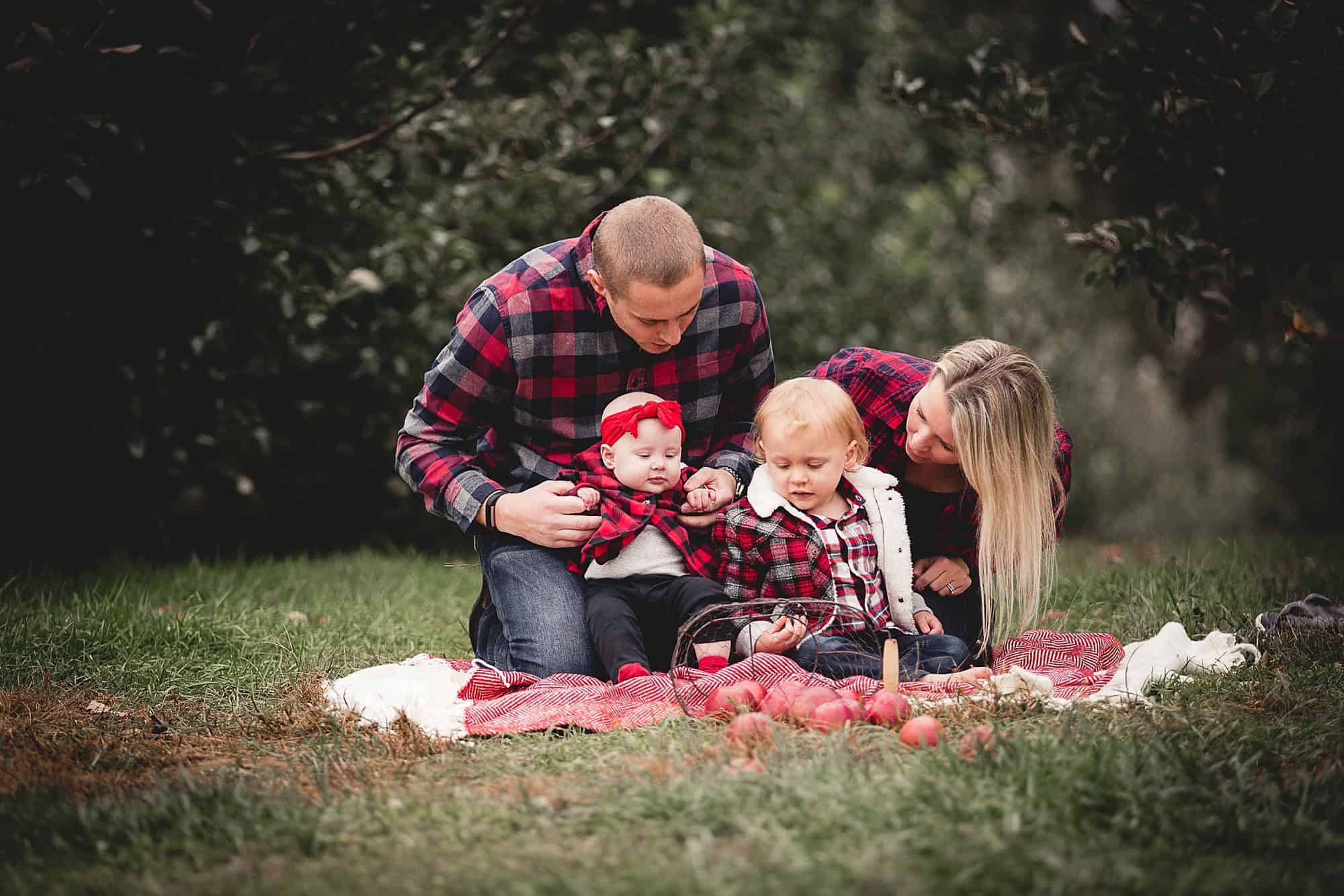
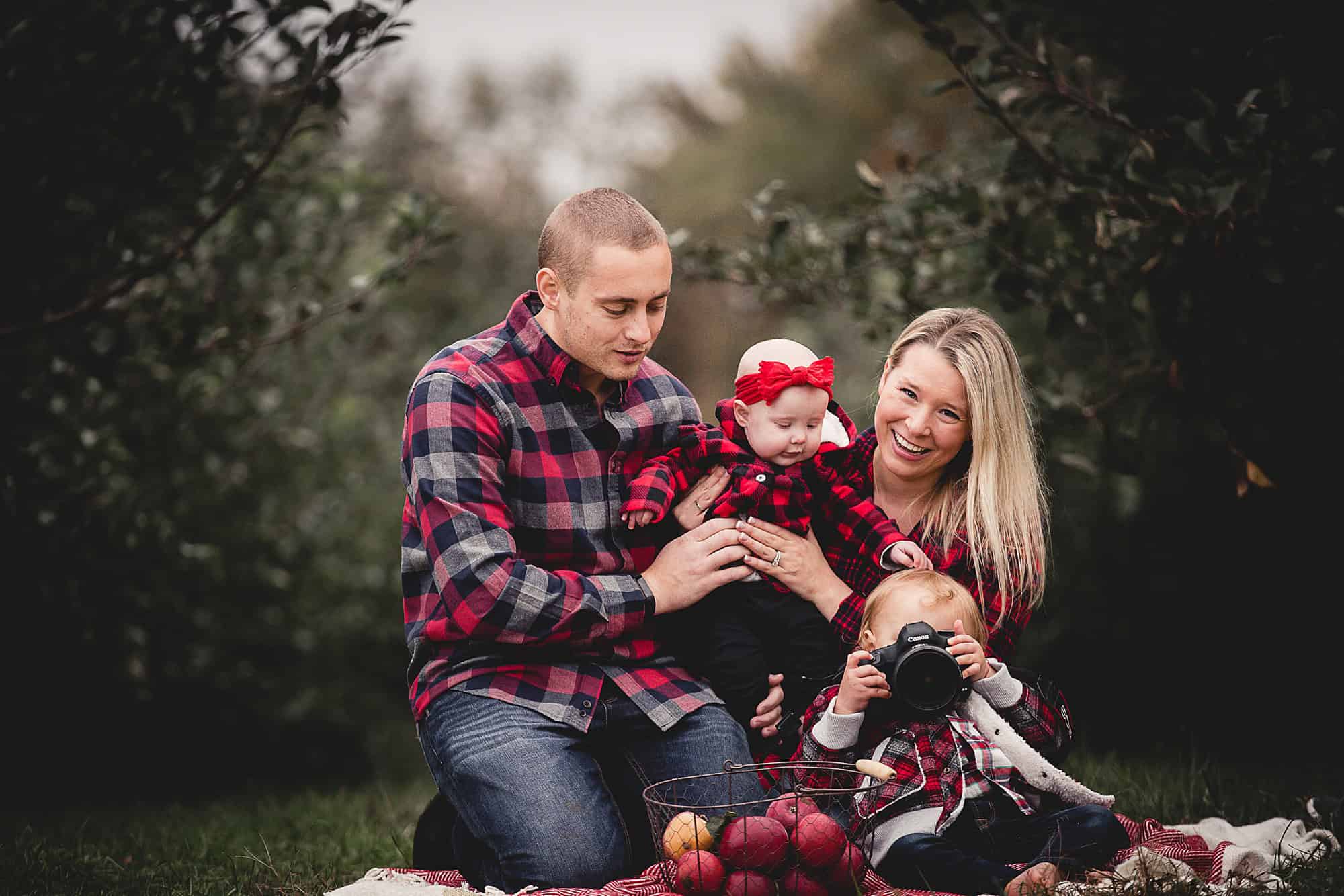
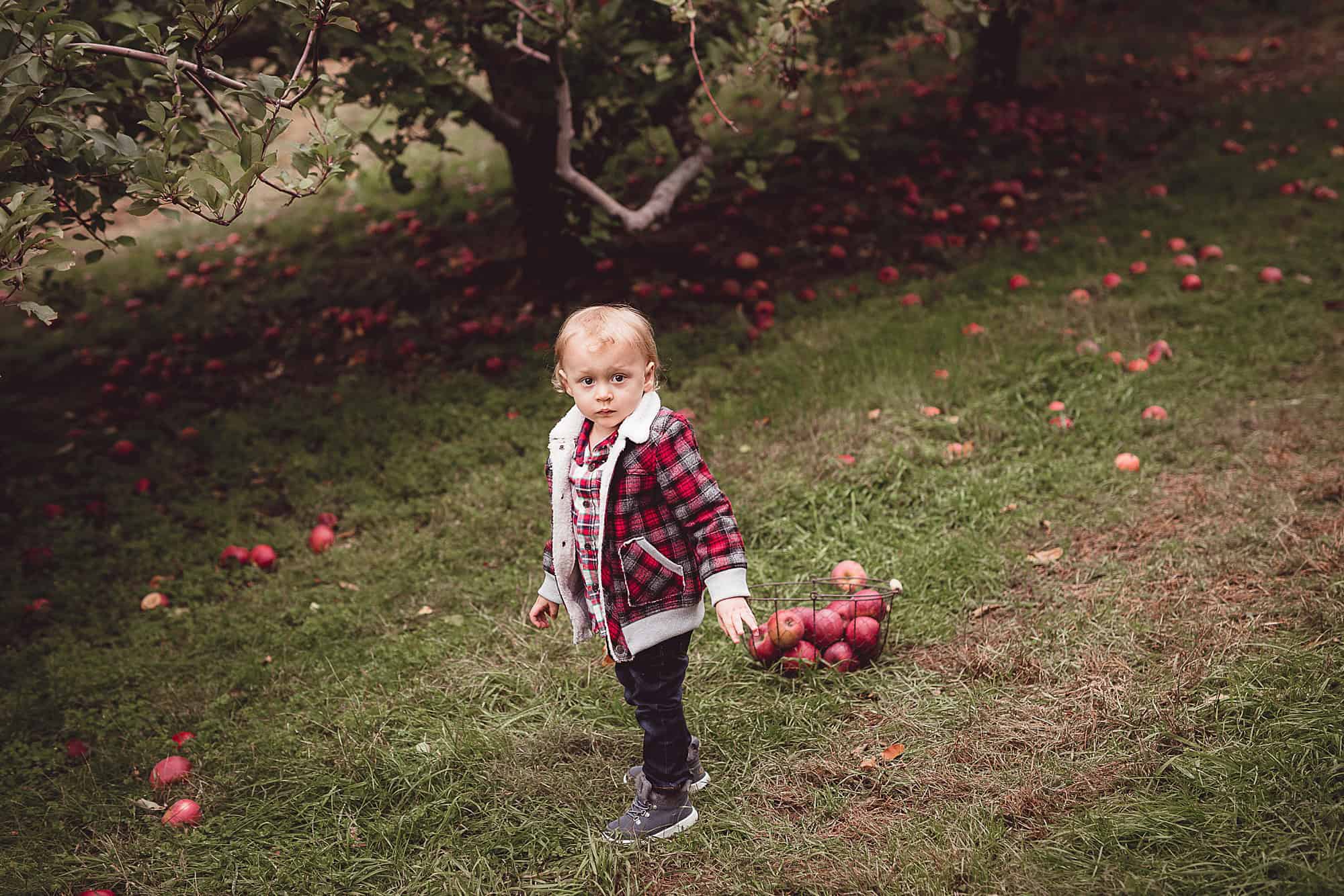
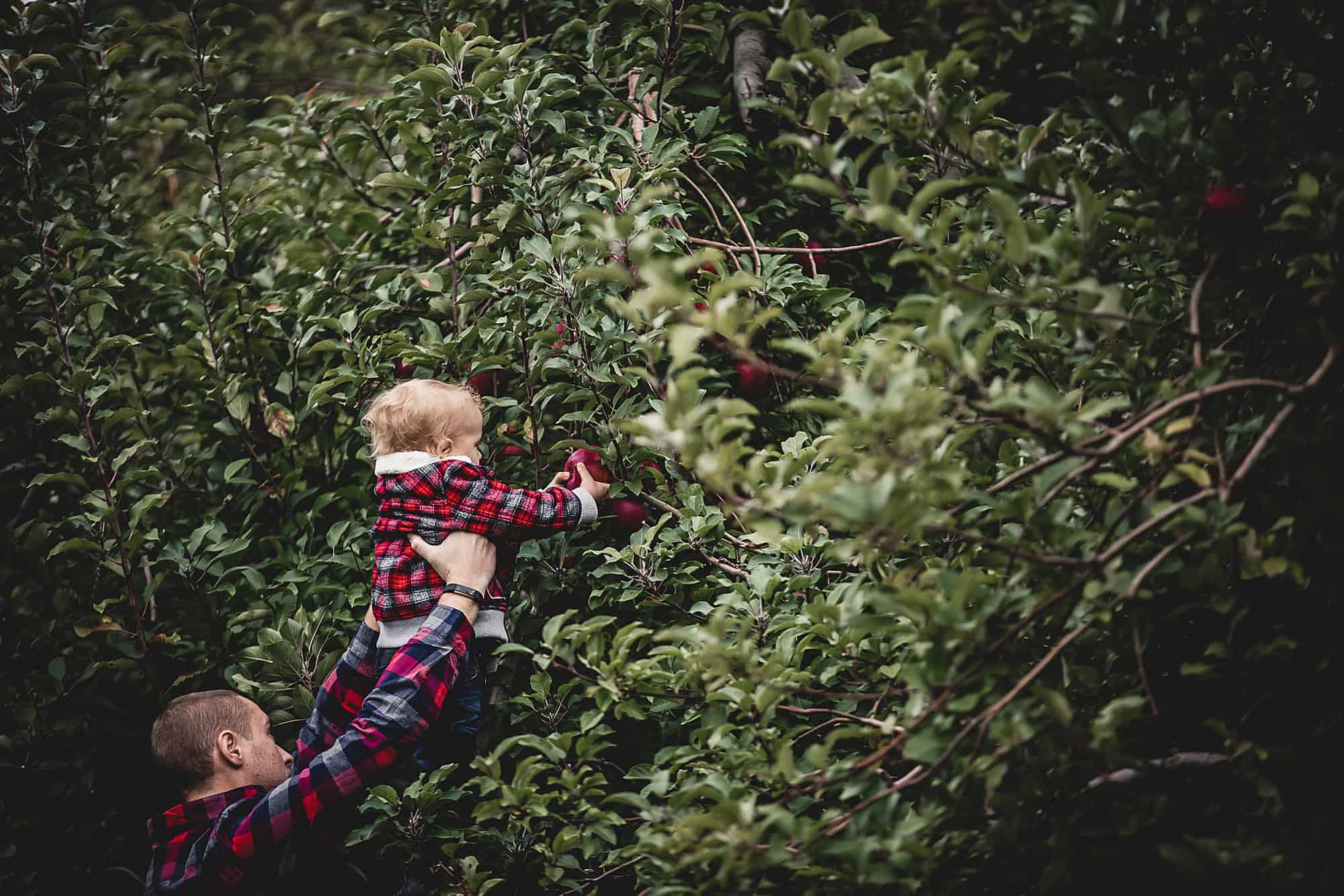
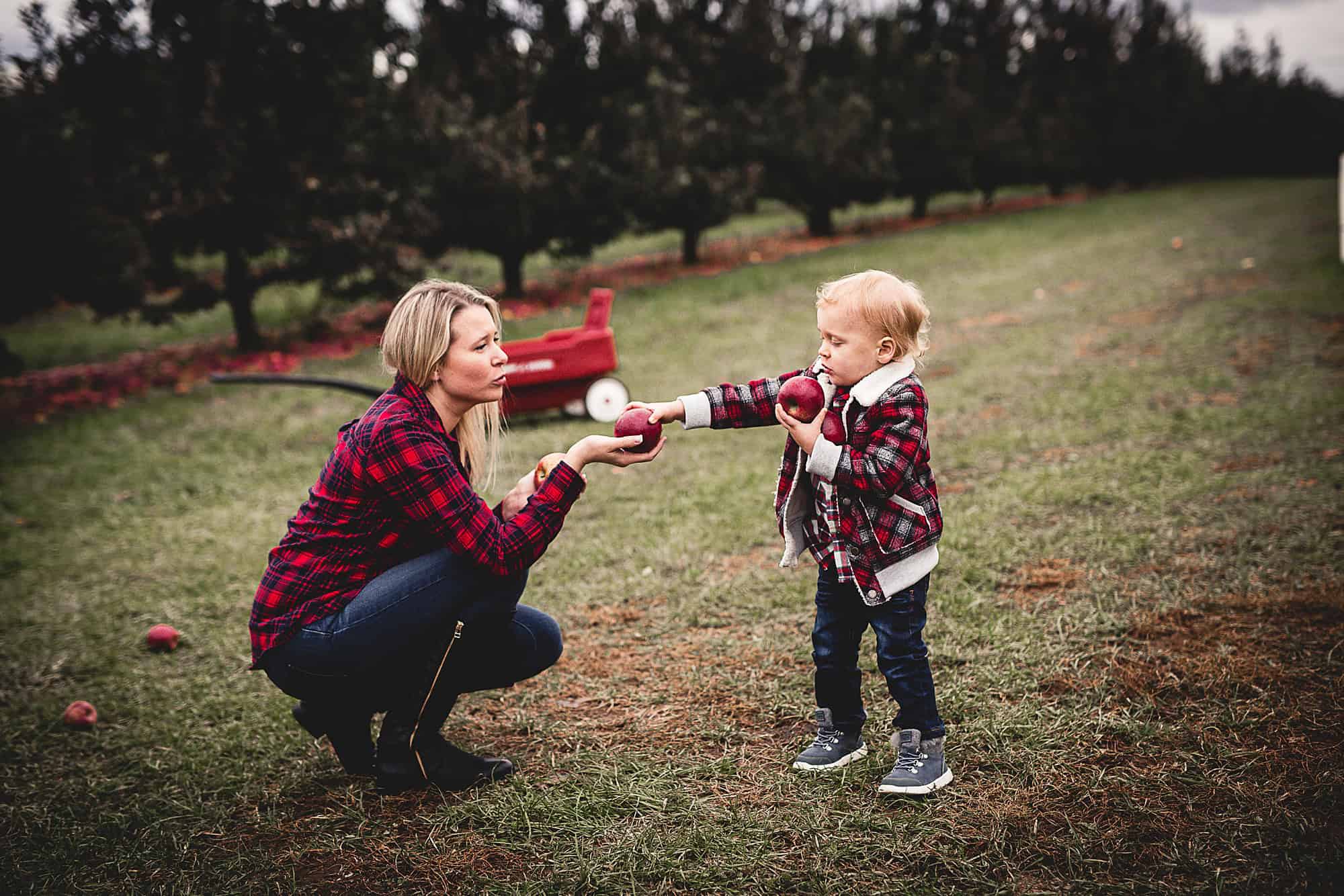
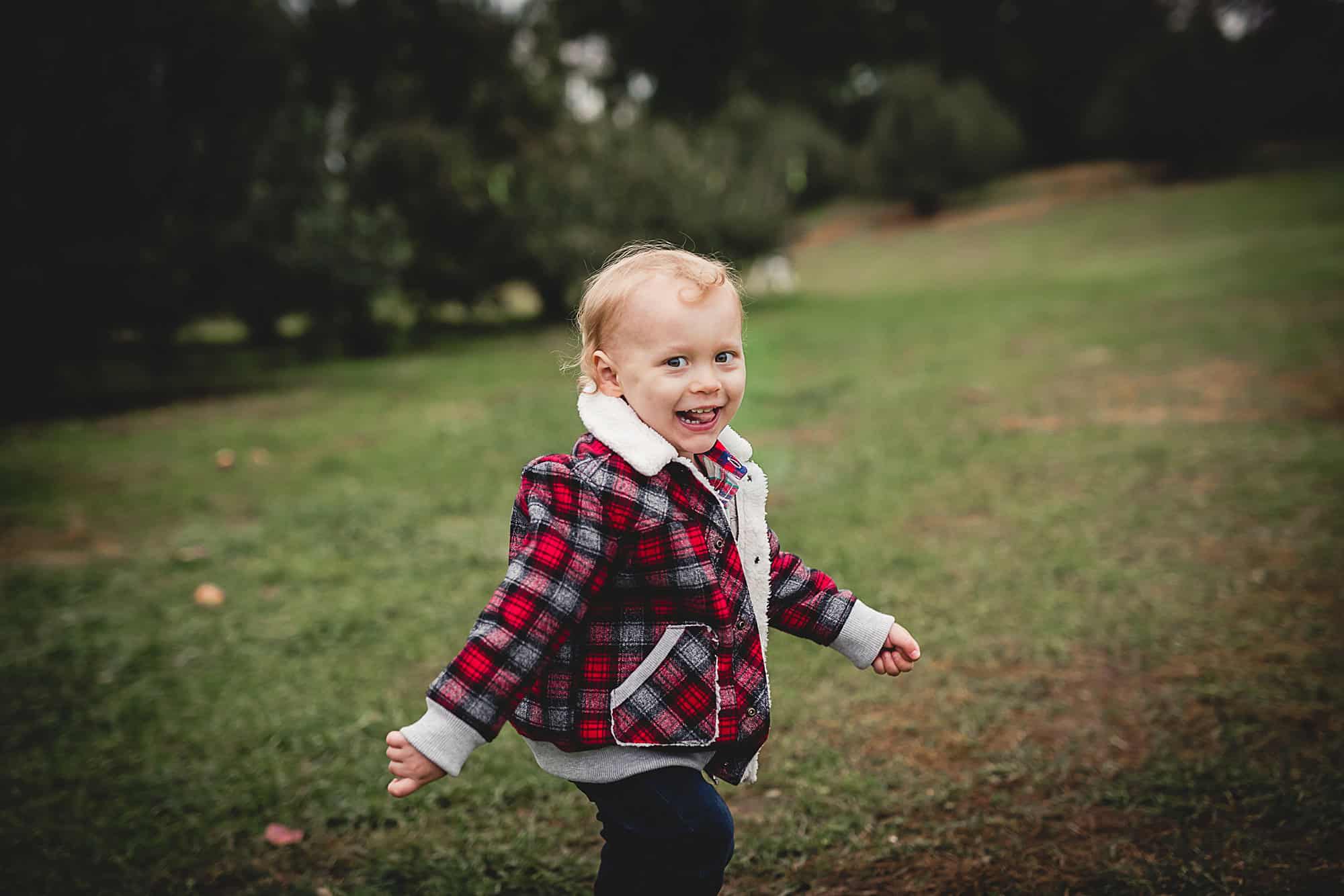
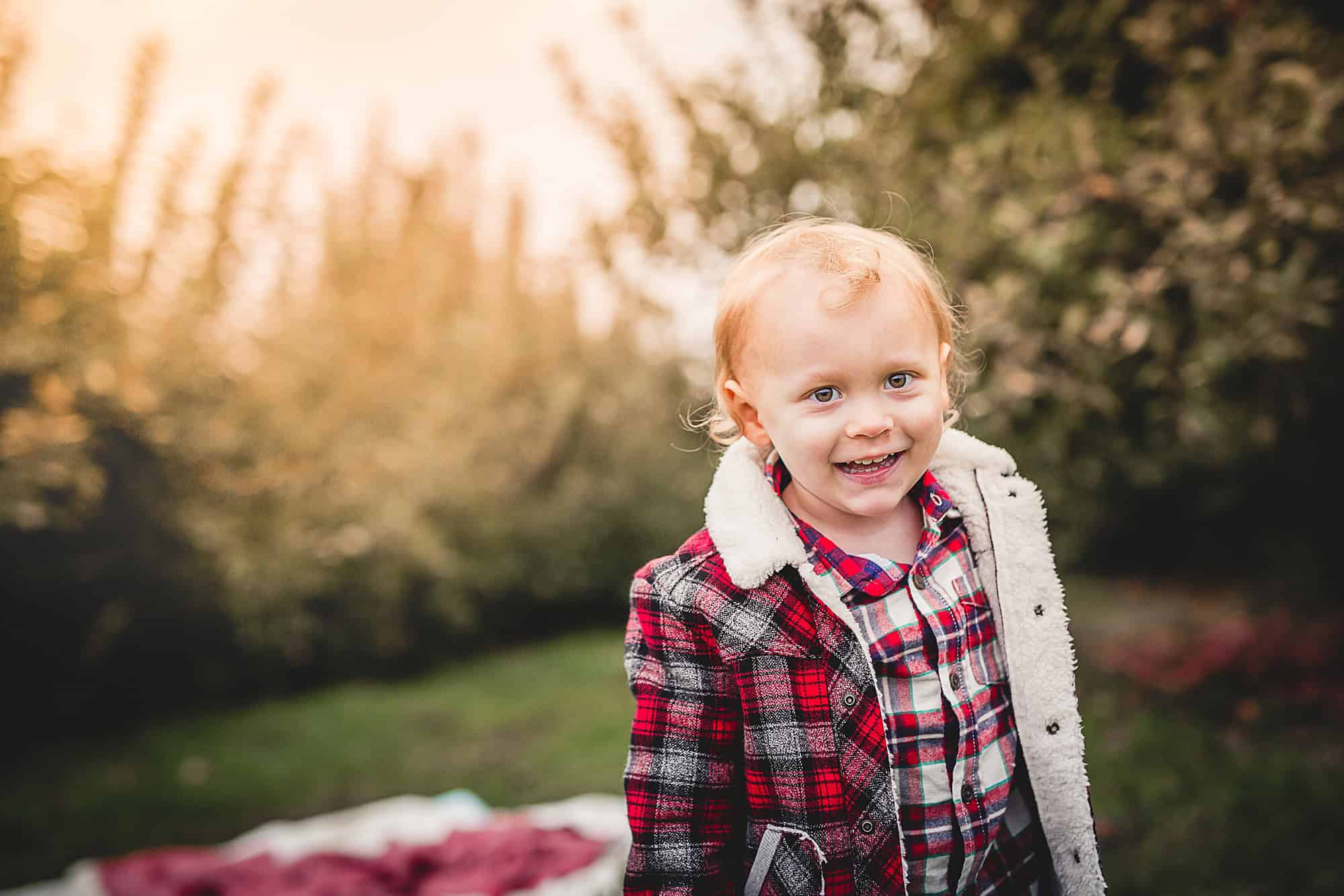
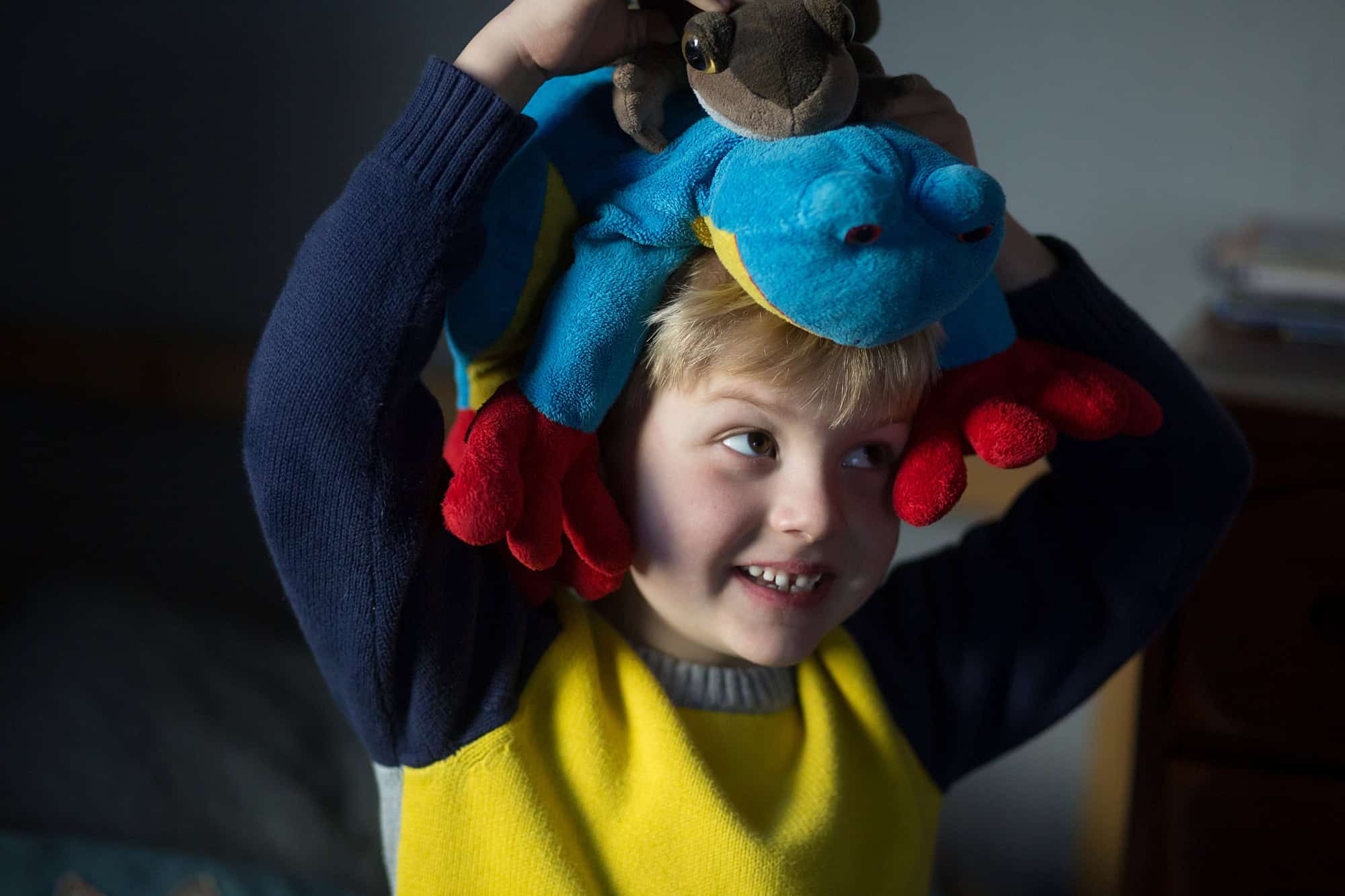
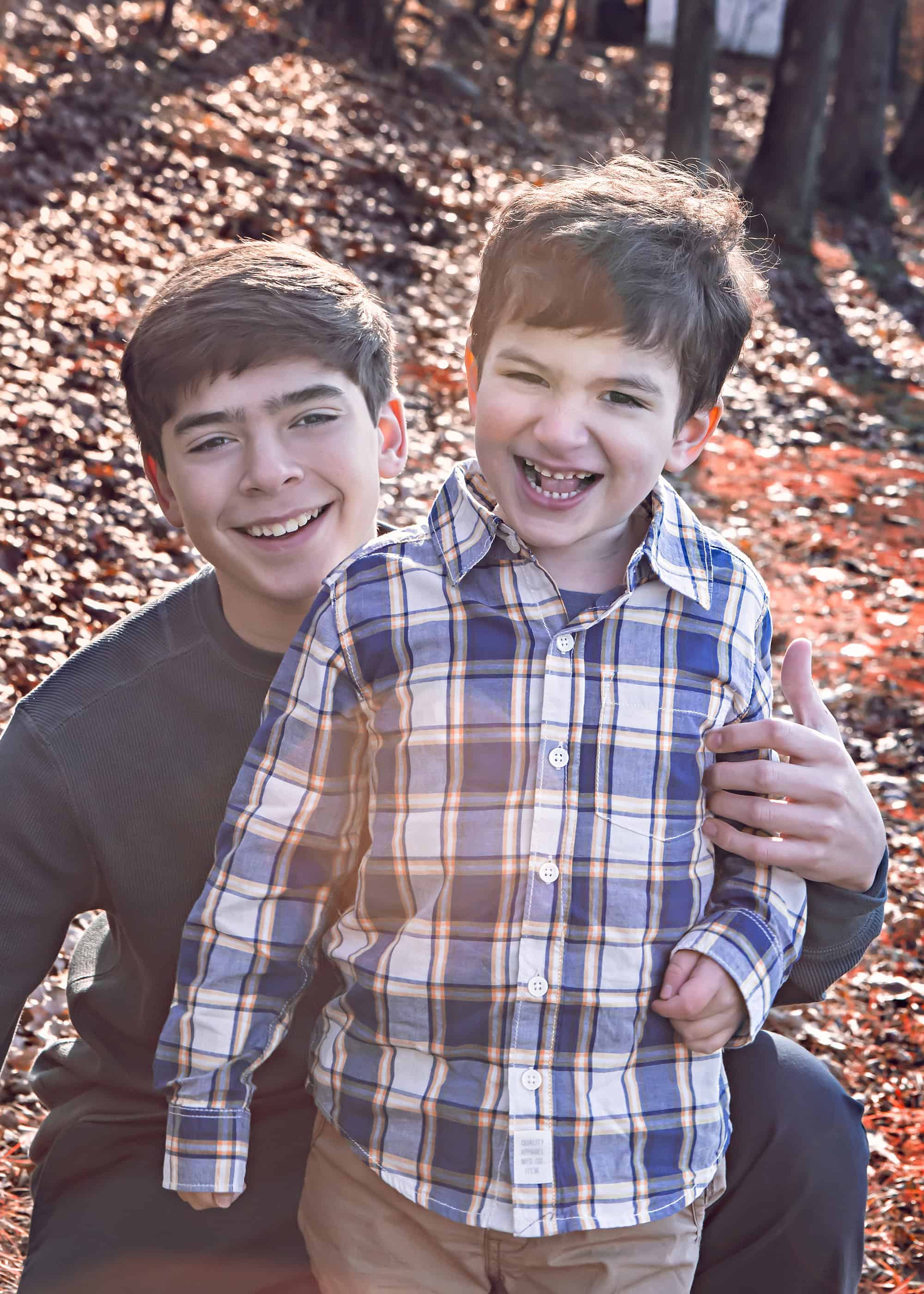
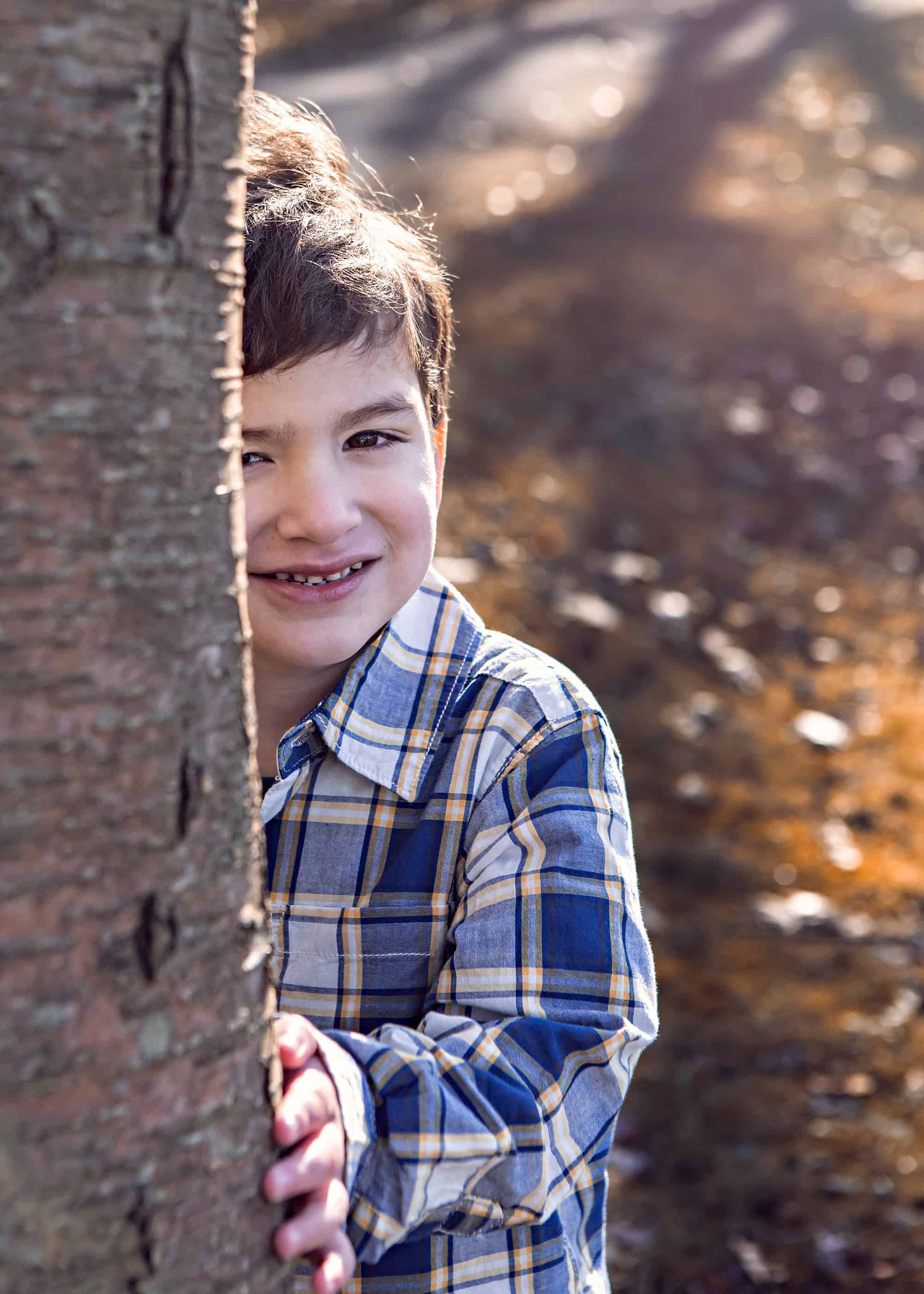
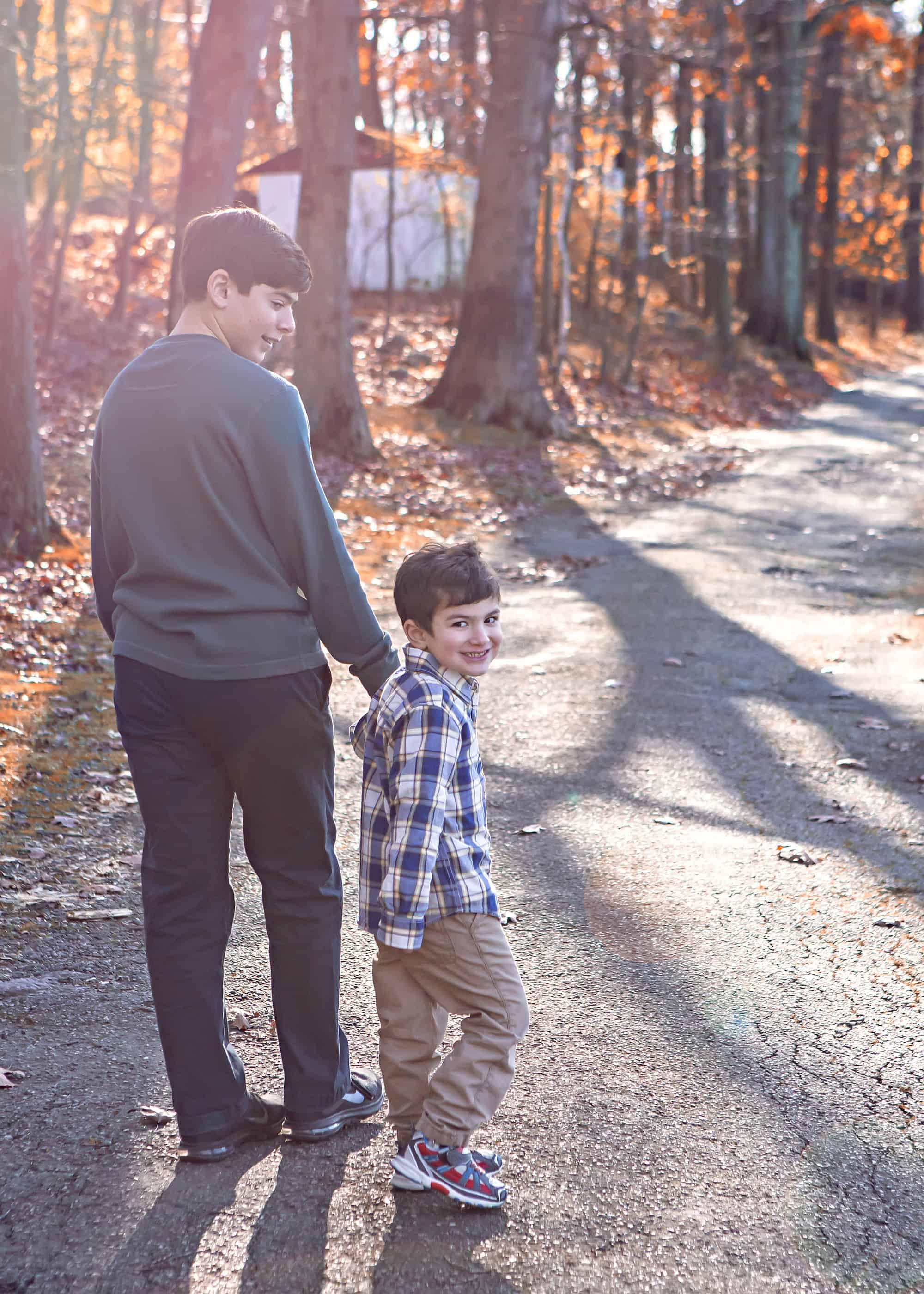
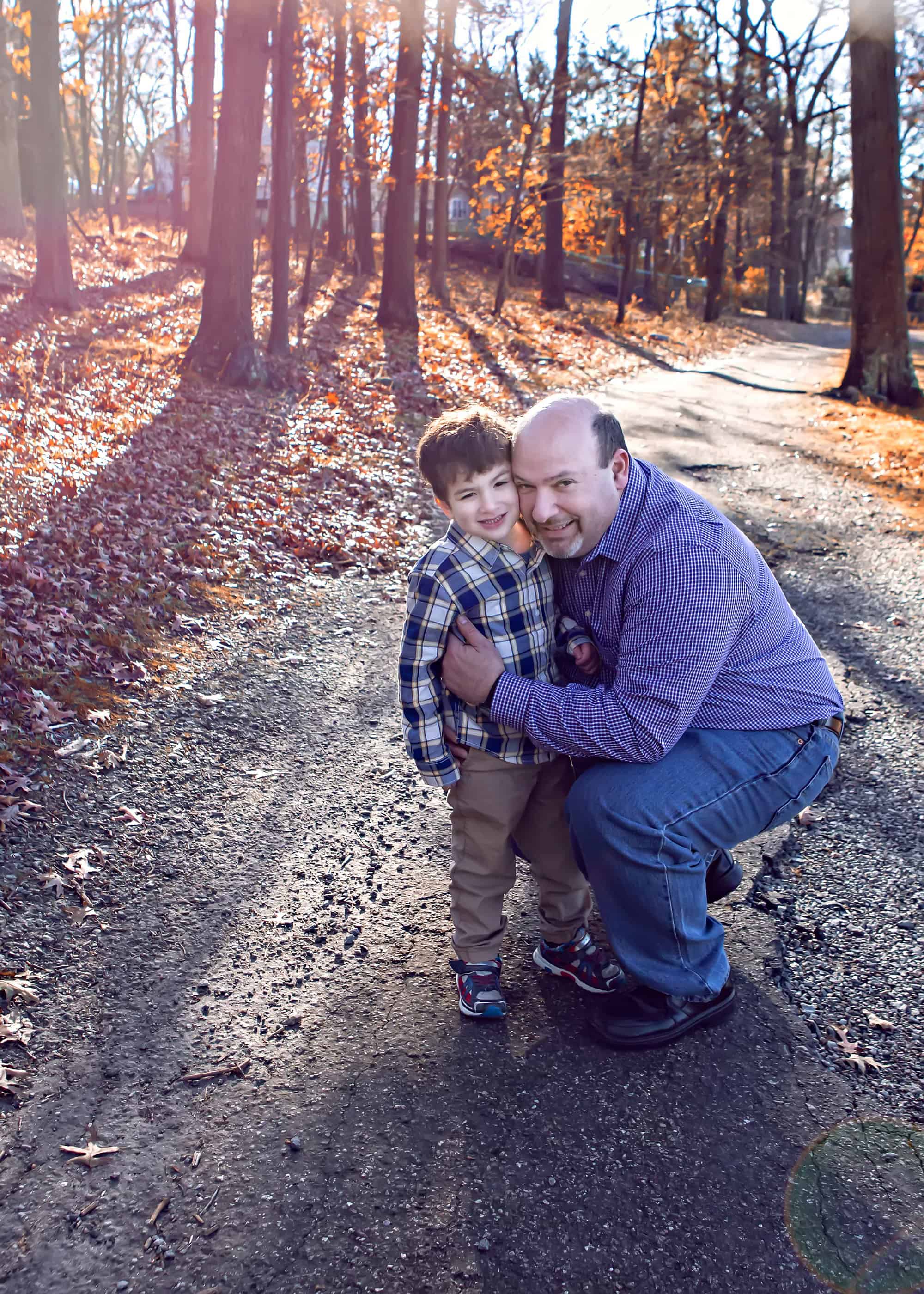
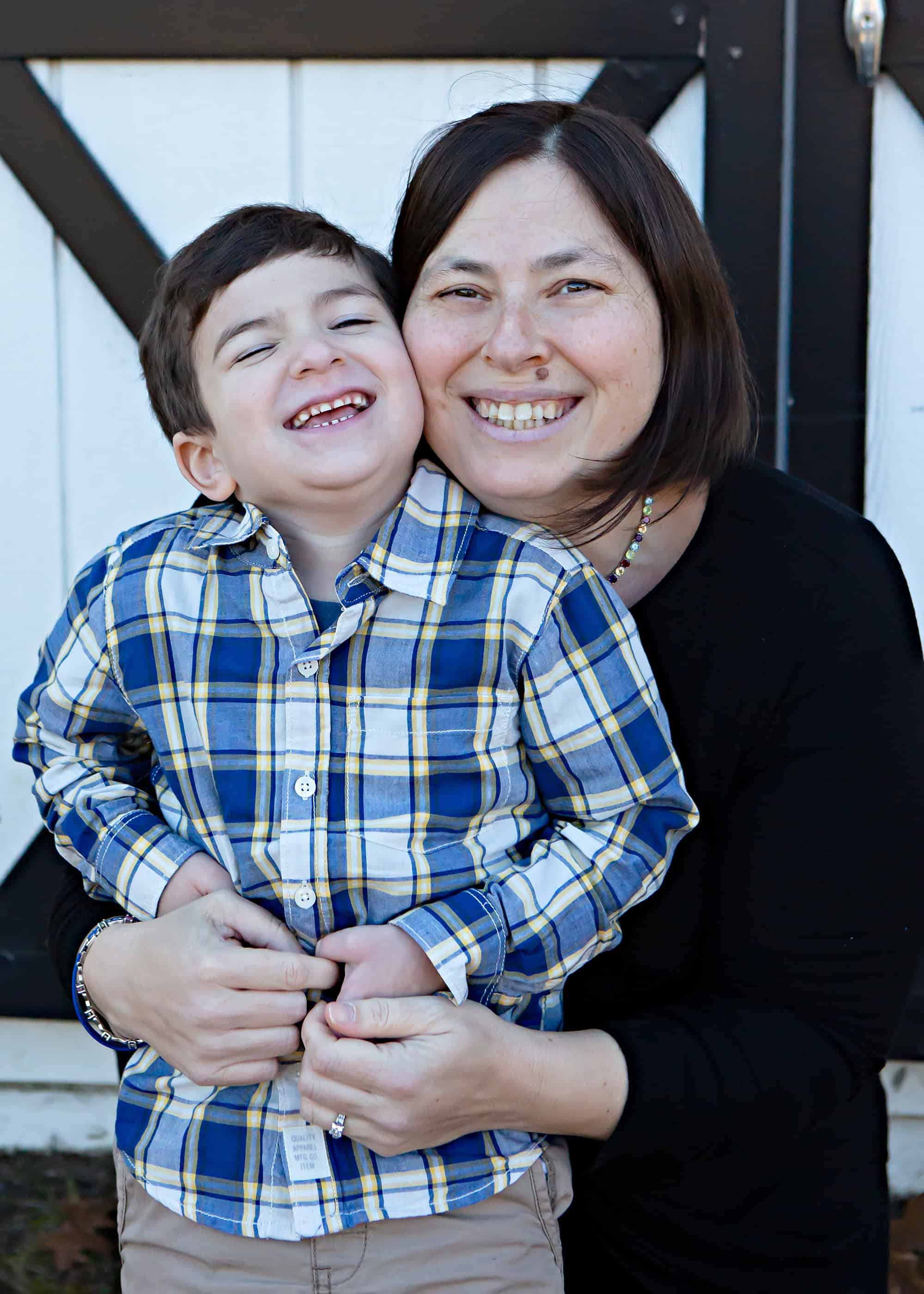
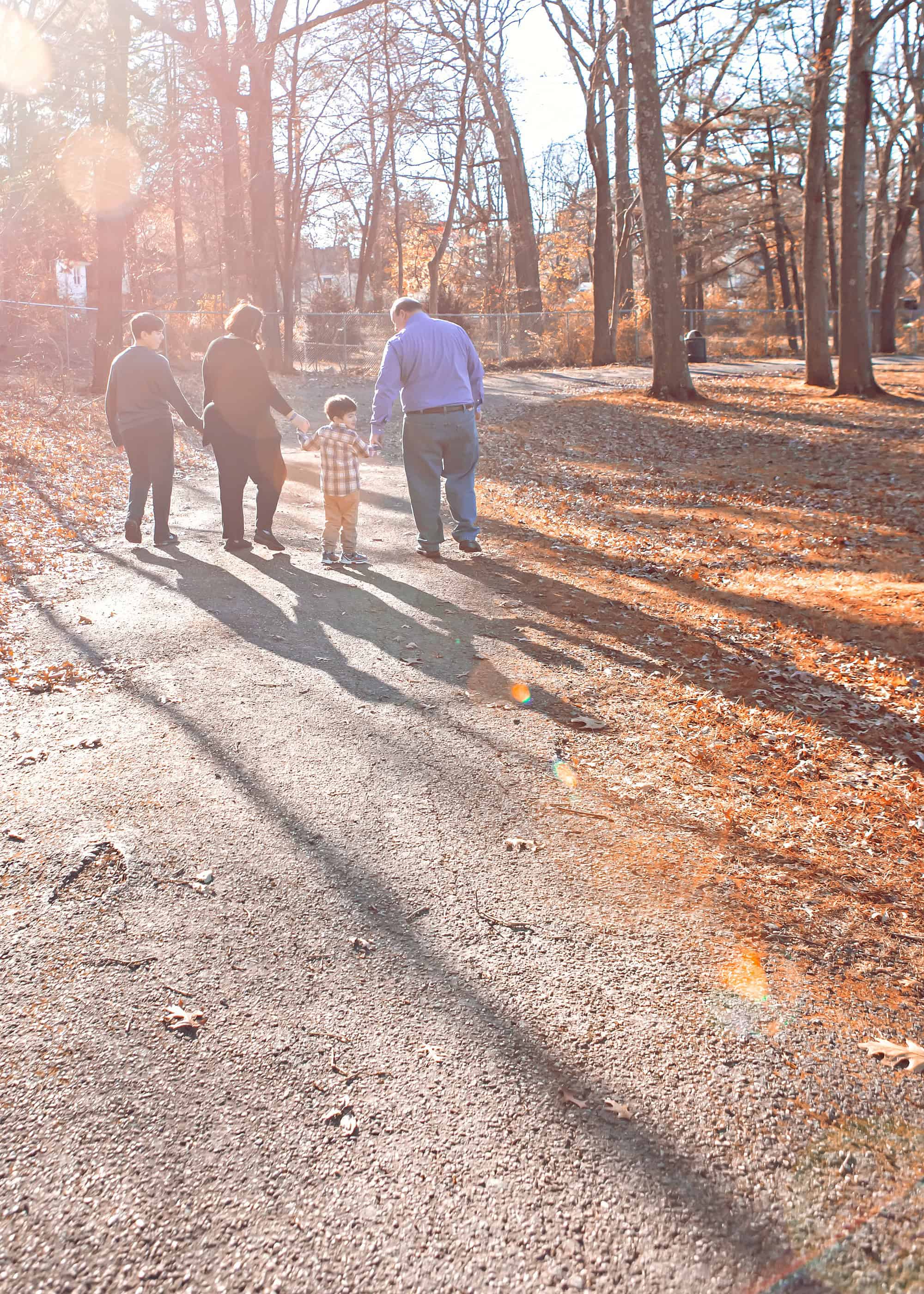
Nathan is a very lovely child. He loves to play with his sister and cousins. He likes flash and spider man.
Nathan was diagnosed with Leukemia in March of 2017. He started to be sick 3 months before he was diagnosed with fever and nose bleeds. One day we took him to the ER and they told us he had all the symptoms of the leukemia. They did more testing and eventually confirmed his diagnosis.
Nathan gets chemotherapy treatment along with many other medications. He also receives blood transfusions as needed.
Nathan is such a strong child. He is always smiling during his treatments and singing to God.
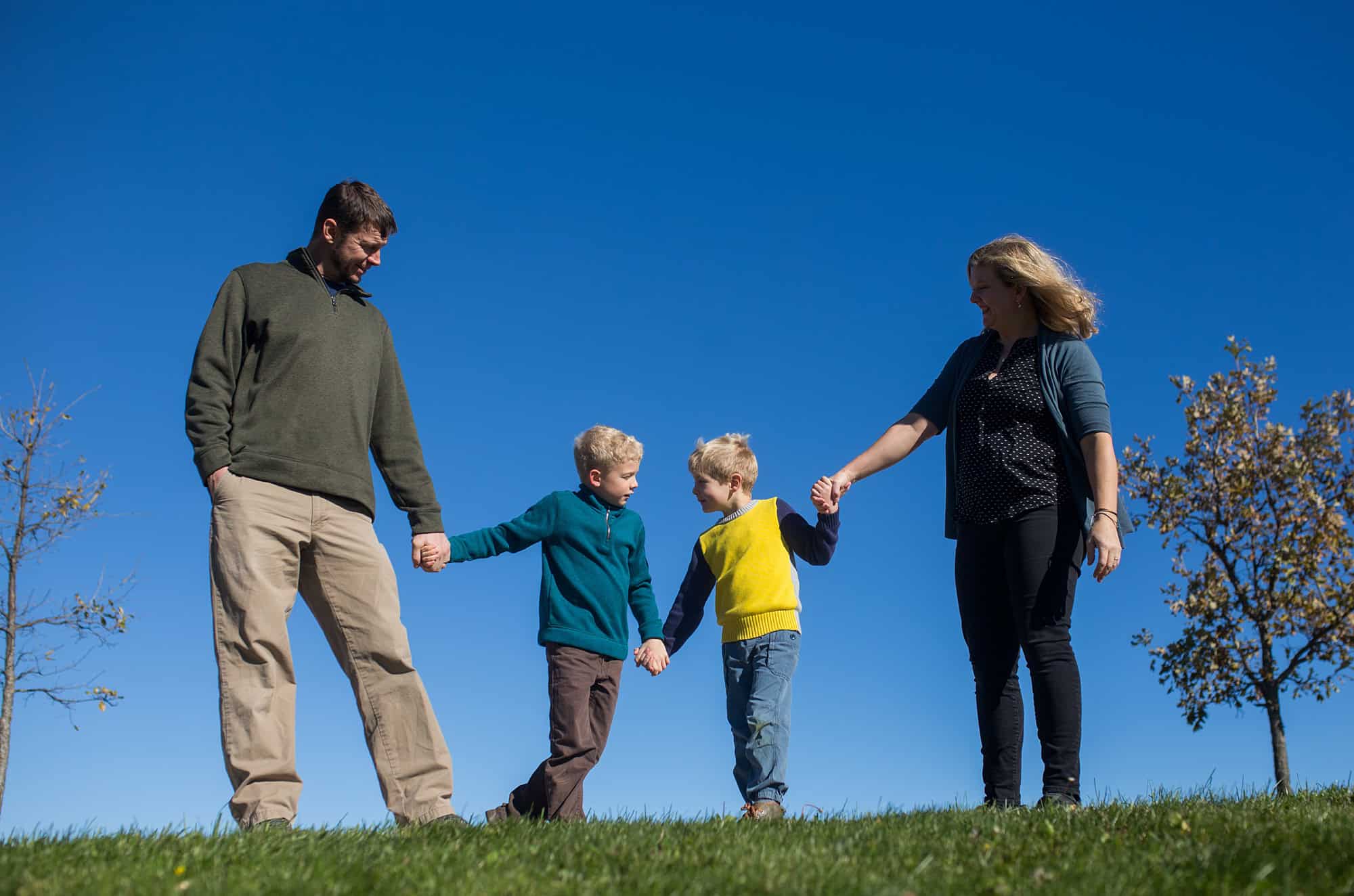
On June 18th, 2018, our son Matthew (Matty) was diagnosed with Acute Lymphoblastic Leukemia, the most common type of cancer and leukemia in children. On a personal note, nothing about the word cancer in the same phrase as the word “child” seems common. About 3,000 people younger than age 20 are diagnosed with ALL each year in the United States. At exactly 2.5 years old, to the day, our very happy and very healthy son came down with a high fever and severe leg pain that did not seem to be going away. 48 hours into what we were hoping was just a virus, we went to get his blood checked and received the dreadful news. “Matty’s blood work came back irregular. It looks like there are cancer cells present. Pack an overnight bag and head to the emergency room as soon as you can. Plan for a long stay.” We did just that.
Once it was confirmed that there were, in fact, cancer cells present by a hematologist at our hospital, we began the process of being admitted for our three-week-long stay. One of many to come. Although this new “normal” is as far from normal as could be, Matty has done an amazing job adjusting to our new life. Even though he has to take many medications in the morning and evening — he’s made a game out of it and makes us chase him around the house in order to give it to him. It’s actually a process he enjoys. We go to clinic for weekly chemotherapy, but he enjoys that too — he loves playing with the toys there and enjoys the drive. We got lucky, in a way — he won’t remember the majority of these 3 years of treatment. Being diagnosed at only 2.5 years old has it’s benefits. We’re so thankful that we have an AMAZING support system around us, health insurance, a team of great doctors and organizations like The Gold Hope project that make these tough times a little easier and brighter.
Matty’s everyday is so different from a typical 3 year olds, but this isn’t a sad story. He’s so bravely fighting the fight of his life, and he’s doing it with such grace. He’s our light and strength. We couldn’t be prouder of the way he’s handled the last 6 months of treatment and look forward to taking him around the world when he’s done with it.
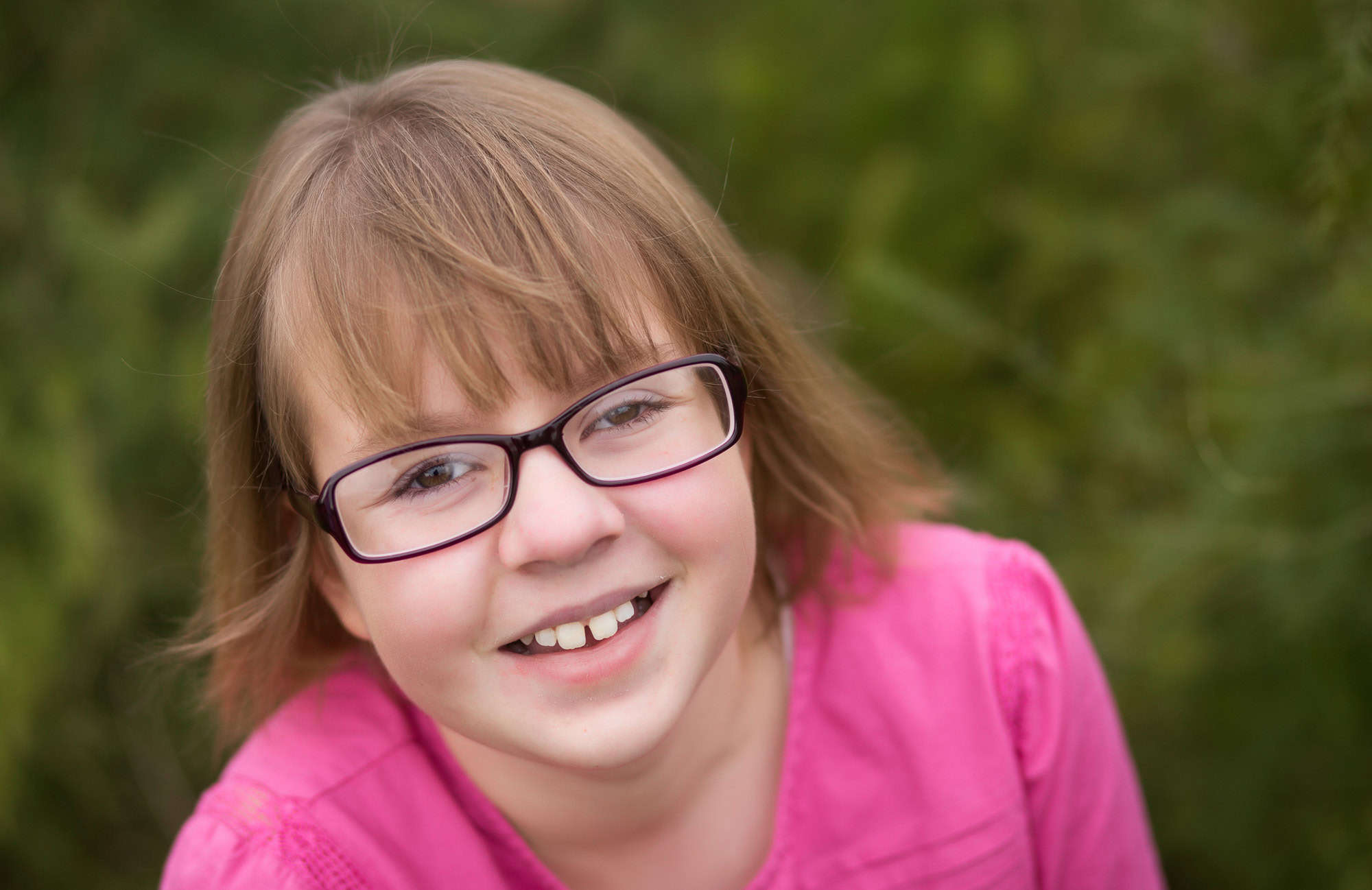
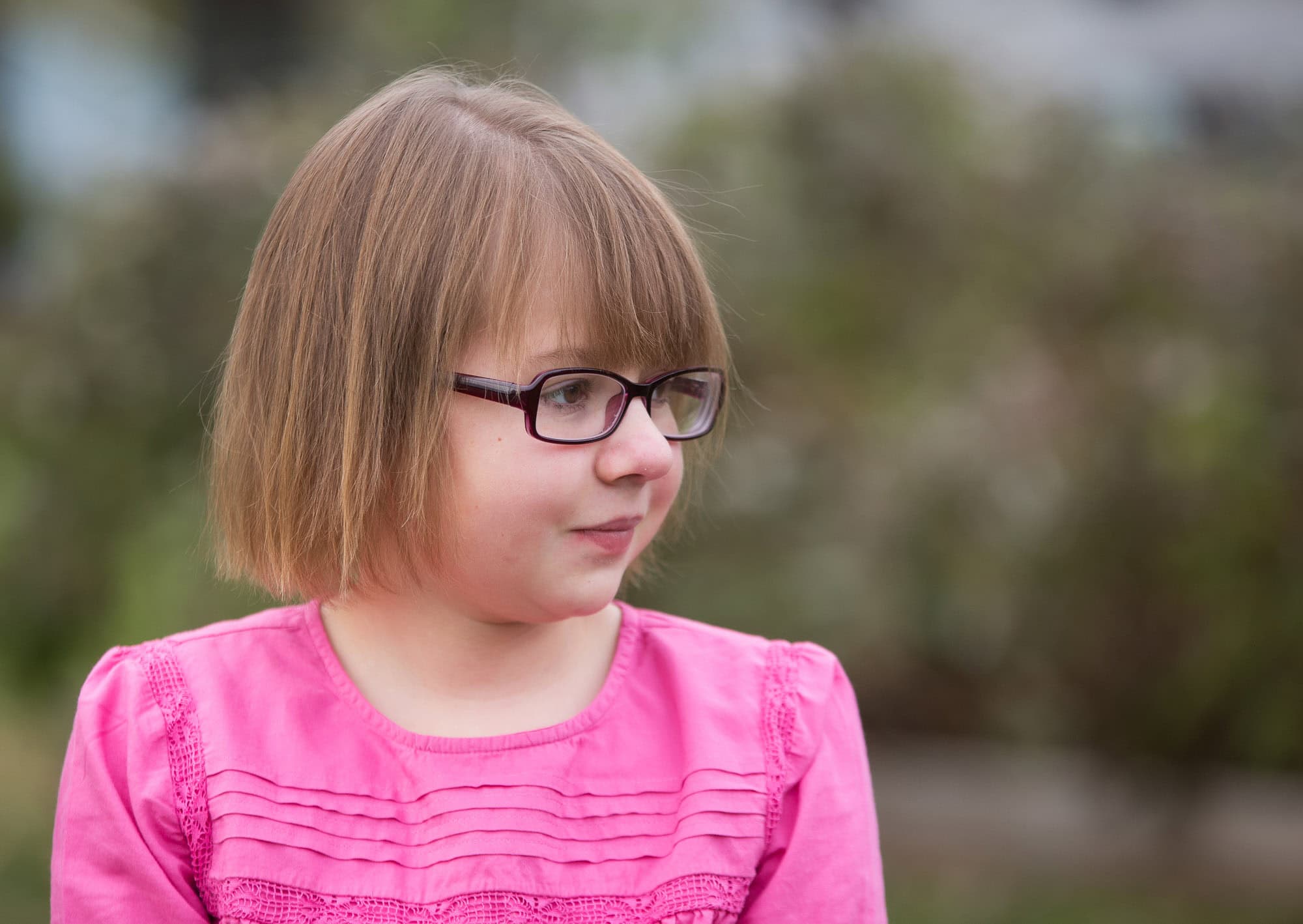
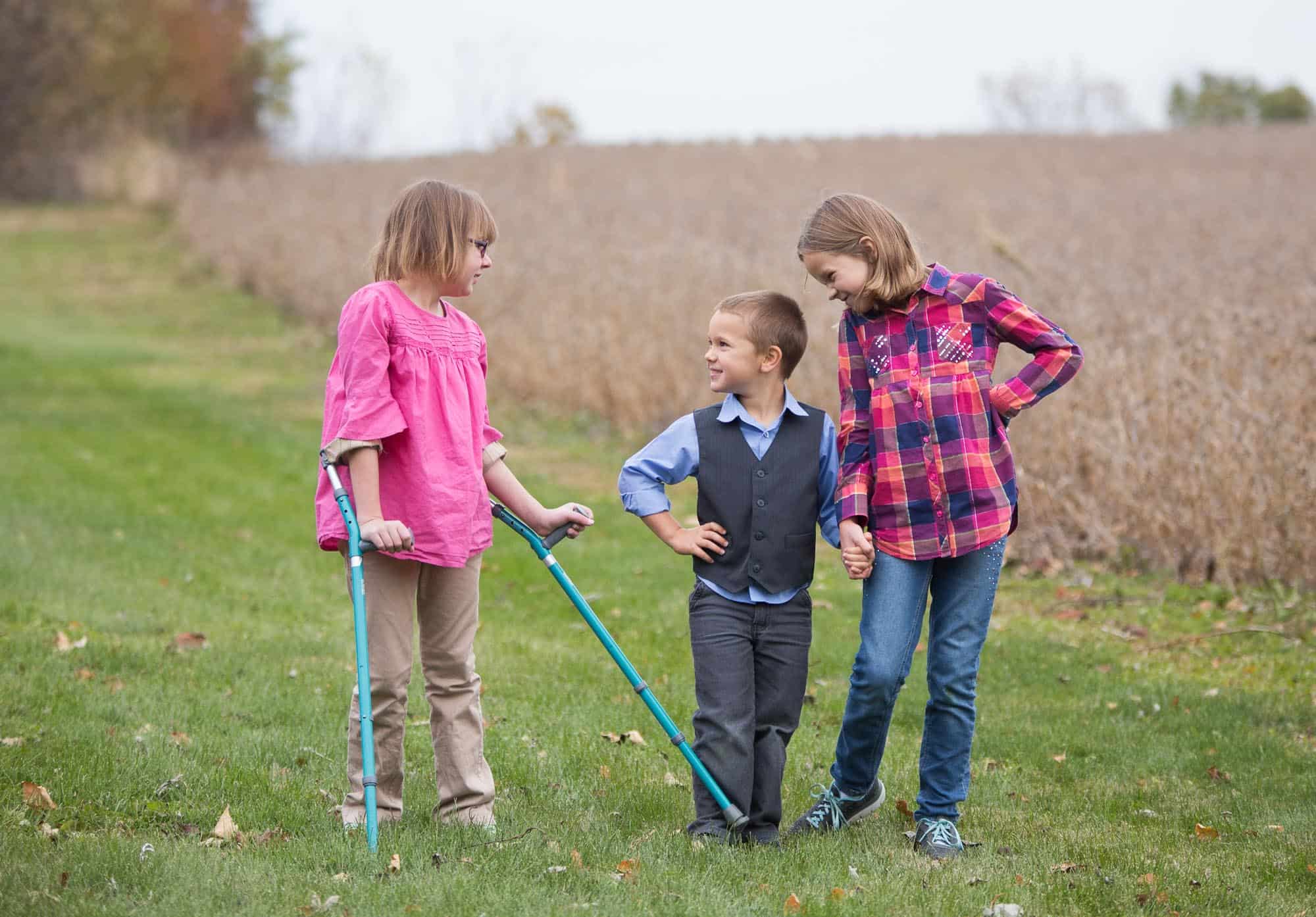
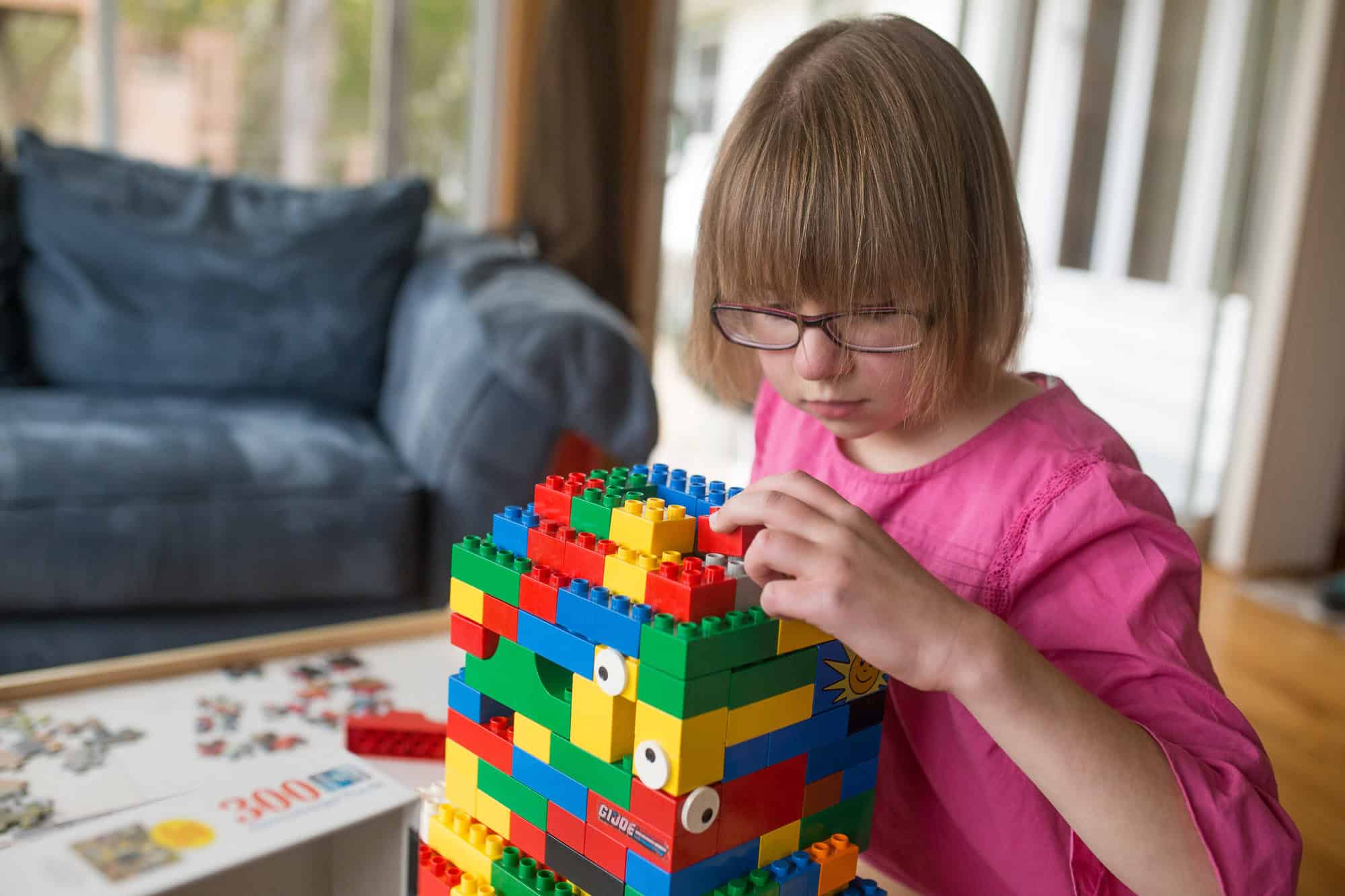
Anna can be an adaptive, insightful, kind, goofy, and persistent kid. She loves being silly with her sister and brother, bantering back and forth with her dad, and helping her mom. She loves math and art, and enjoys reading and writing. Given the choice, Anna would probably choose to play games with someone all day. If she needed a break from the games, then she would most likely find a sibling to play with, a pet to snuggle with, or a baby to hang out with. Anna’s unwavering faith in God, her continued hard work, and her positive attitude has been an inspirational example to many during the last four and a half years.
Anna was diagnosed with cancer in early February of 2014, when she was six and a half years old. A few weeks before Anna was diagnosed, she began having intermittent headaches and fatigue. She came down with a stomach bug a week and a half before her diagnosis so we attributed her previous symptoms to the virus, but this time she didn’t bounce back from the virus like she usually did. When Anna began vomiting more frequently, complaining of more headaches, and extreme fatigue, we knew something was truly wrong. Of course, all of this is easier to understand and see in hindsight.
Anna’s treatment included brain surgery to remove as much of the tumor as possible, 6 weeks of high-dose radiation therapy, and an additional 6 months of chemotherapy. During her 9 months of treatment, Anna spent over 100 nights in the hospital; underwent anesthesia dozens of times; experienced multiple surgeries (in addition to the main one); and had more tests, procedures, blood draws, transfusions, and antibiotics than I care to count. During Anna’s treatment, our family life was severely altered. Our other children were 4 years old and 14 months old when Anna was diagnosed. Although all of Anna’s treatment happened in Madison (only a 20 minute drive each way on a good day), we needed lots of help from family, friends, and neighbors to get through each day. While Anna was inpatient for her initial 3 month hospital stay, we had to find childcare for our other children so one of us could stay with Anna as much as possible. My husband worked about 60% of the time during those months. Once Anna was discharged, we continued to need much assistance due to the complexity of her needs. Even though we hired a family helper for a few months that summer, we still asked for and received help (including meals, childcare, and yard work) from many people. The uncertainty of the future and the challenges of each day caused plenty of physical, mental, and emotional strain that entire year.
Anna’s entire neuro-muscular system was affected by her cancer and its treatments. At her lowest point, her muscle strength, coordination, and balance was similar to that of a newborn’s. All of her muscles were affected: large motor (used for walking, climbing, and jumping), fine motor (used for writing and anything else requiring our hands), visual motor (looking where we want to look), and oral motor (used for eating and talking). Anna used a wheelchair as her primary means for a long time and required the use of a g-tube for all of her daily nutrition for several years. Since her treatments ended and she became medically stable, she has worked hard to regain many of the skills she lost. She can now walk independently for short distances, or use forearm crutches or a walker for longer distances. She can also eat much of her daily nutritional needs, although she still needs a g-tube for some of her caloric needs.
Anna’s physical abilities are often the most noticeable results of her experience with cancer. However, like many children who are treated for cancer, she experienced damage to other “unseen” but previously healthy parts of her body. Cancer treatments can be pretty brutal on a child’s developing brain and body. Anna’s intelligence and personality remain intact, but her cognitive abilities were adversely affected by her treatments. She qualifies for an IEP for both her physical and her cognitive challenges. Because of all of this, Anna’s life as a middle school student is very different from a typical child’s life. She does not participate in sports nor can she play an instrument in band or orchestra due to her challenges. She has had a difficult time hanging out and playing with peers because of her physical limitations.
In December, Anna passed away.
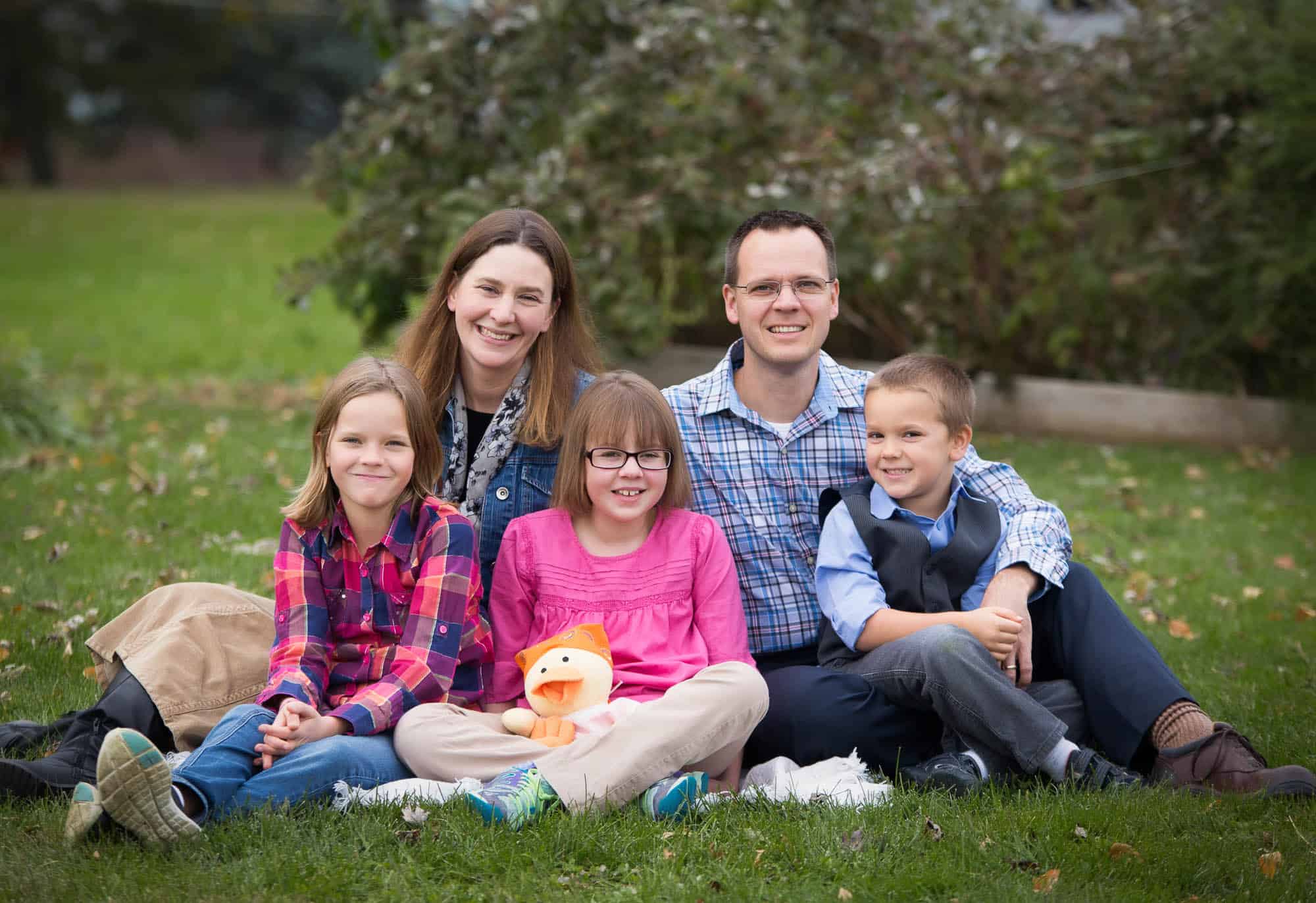
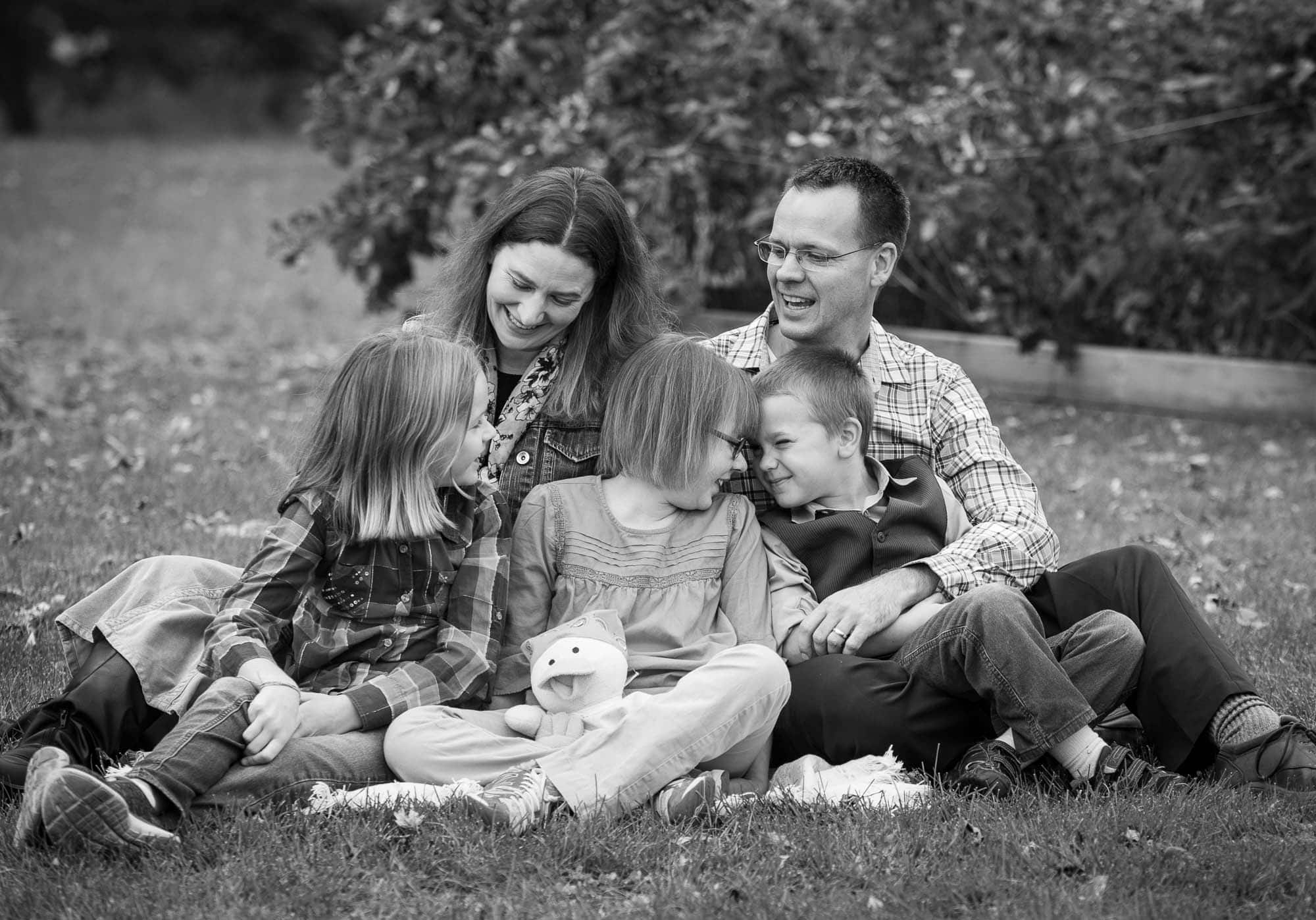
In the darkest moments of 2014 when Anna was first diagnosed and in the hospital, what made us most sad as Anna’s parents was that our other children would not have enough lasting memories of their sister. They were both too young to have had Anna’s life imprinted onto them. Although we are sad and will miss Anna dearly, we are no longer concerned in that way for her siblings. We can see clearly how her life influenced both of them.
Through the experience and wisdom of Anna’s medical care team, we were given a gift of five more beautiful years during which our family was able to make many lasting memories with Anna. The limitations on her body due to cancer and its treatments did not prevent our family from finding joy in any event, big or small.
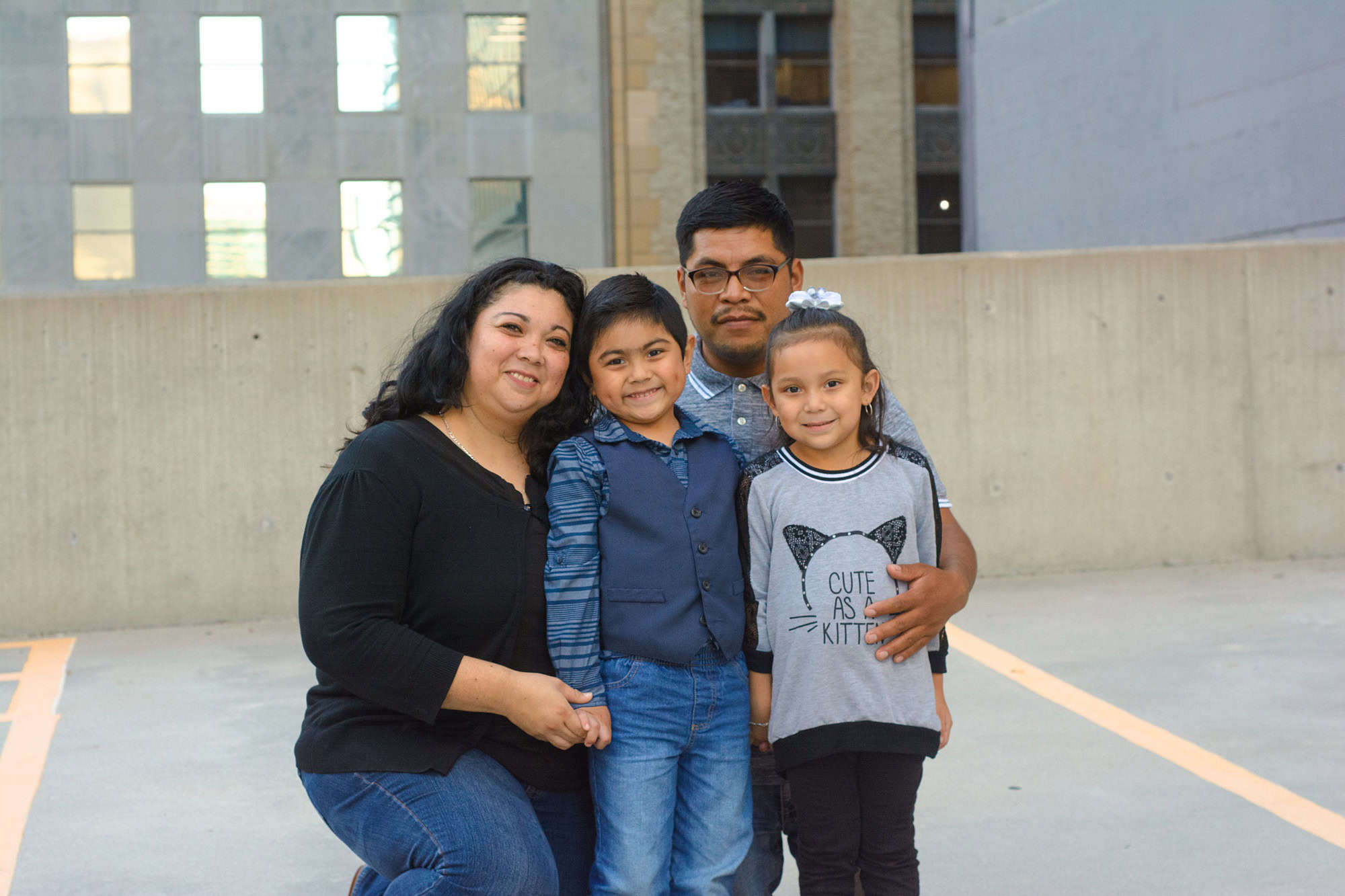
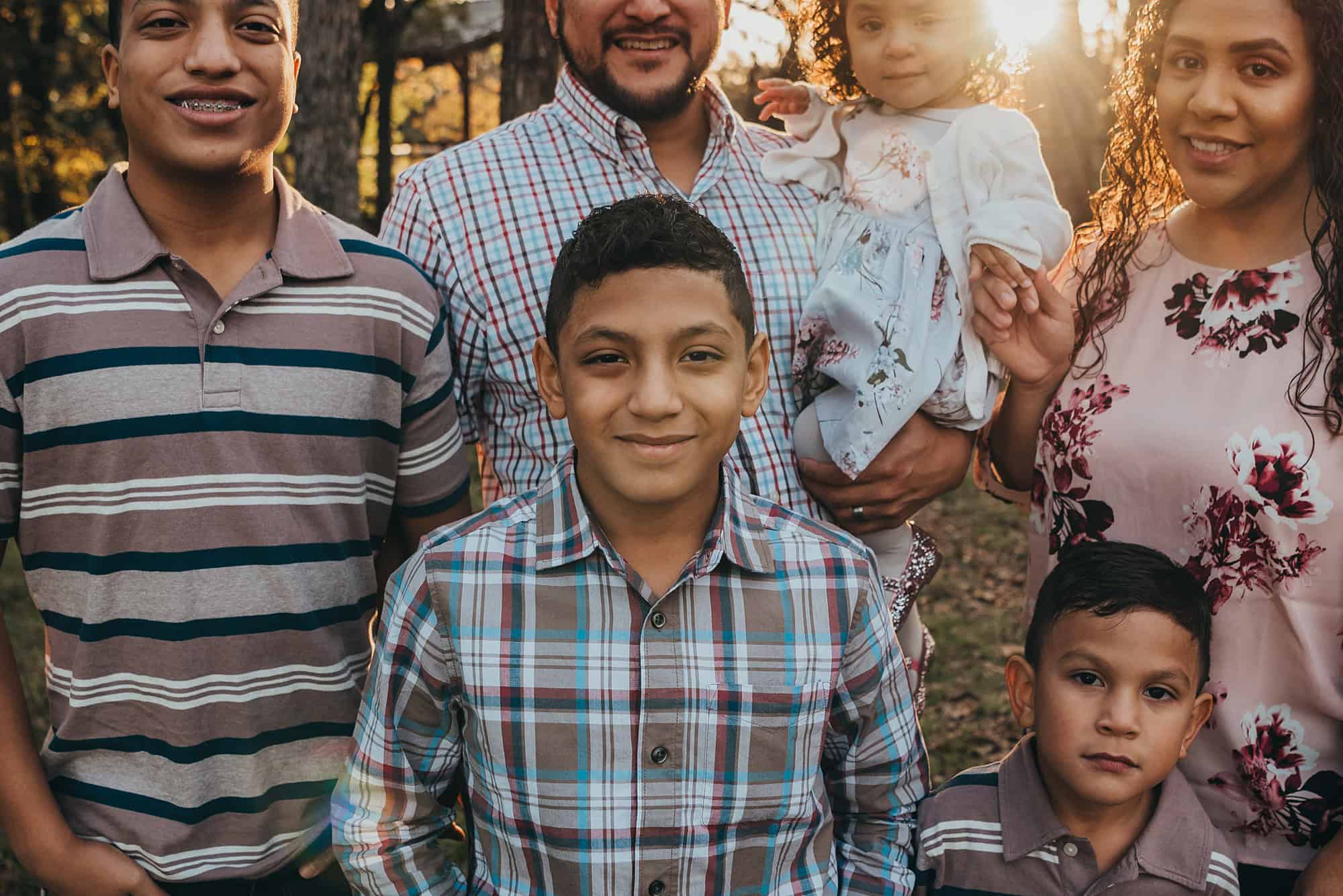
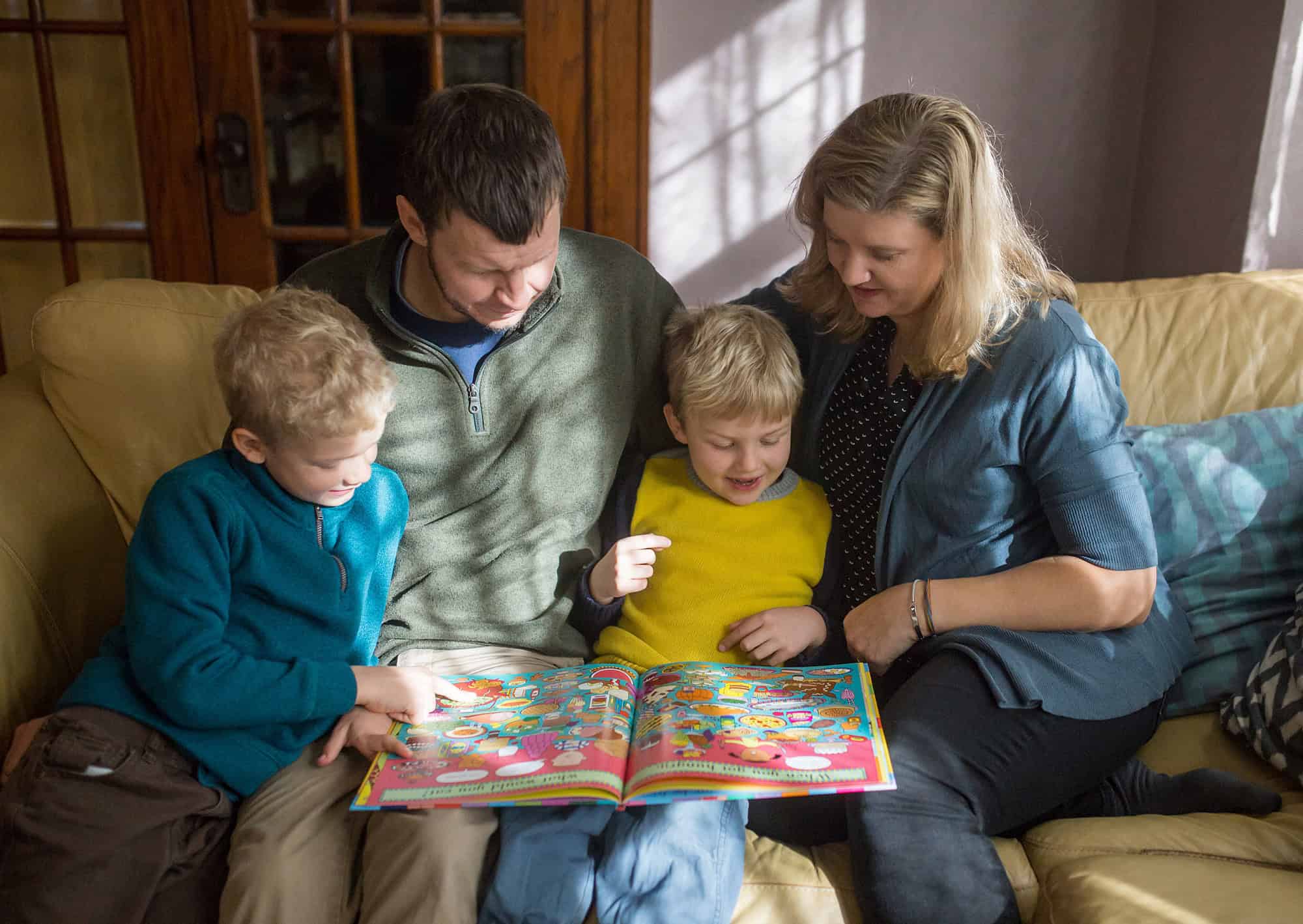
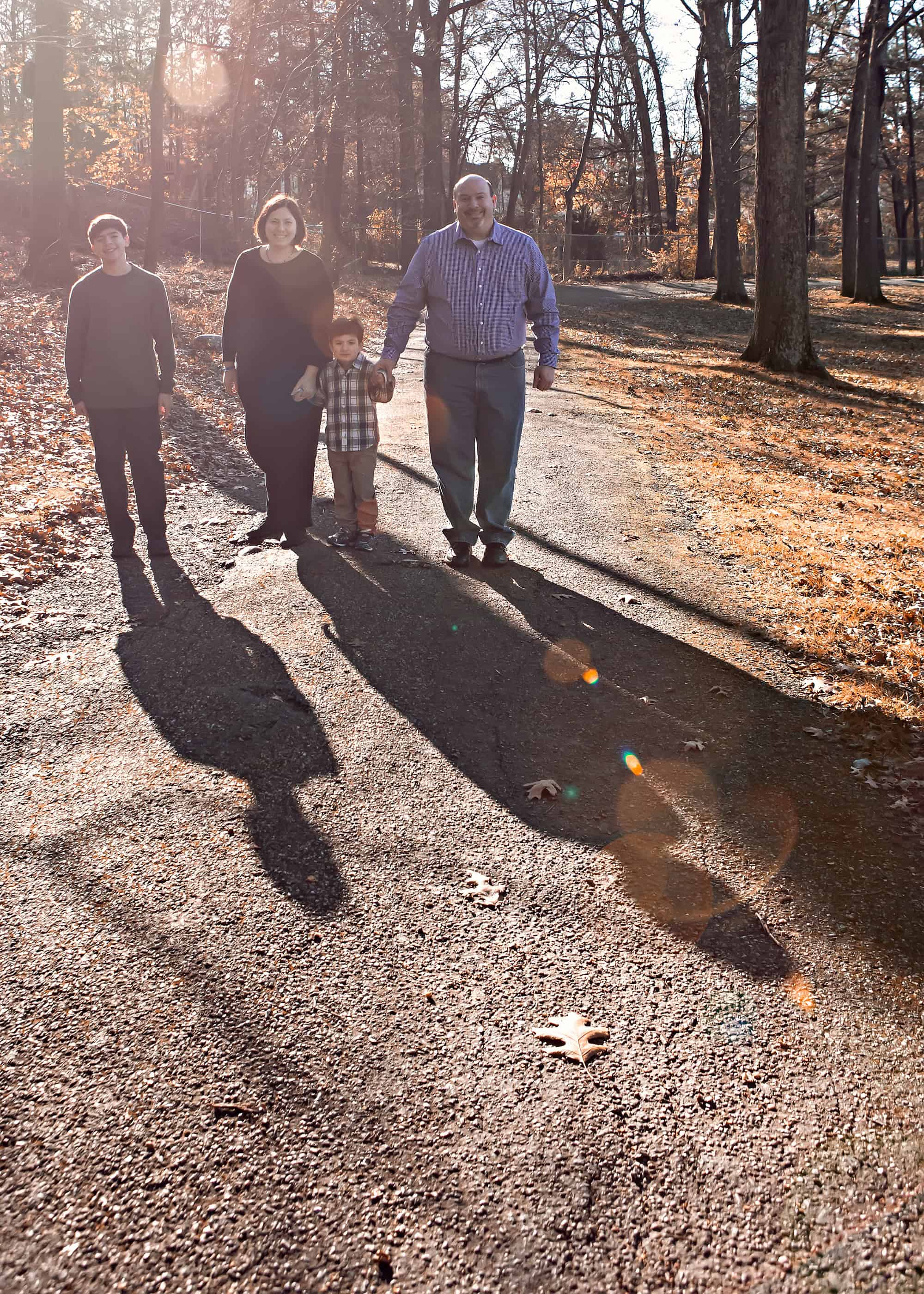
Our family is extraordinarily thankful to The Gold Hope Project for giving us the motivation and the means to have a photography session last fall. We will treasure these pictures of our family always.
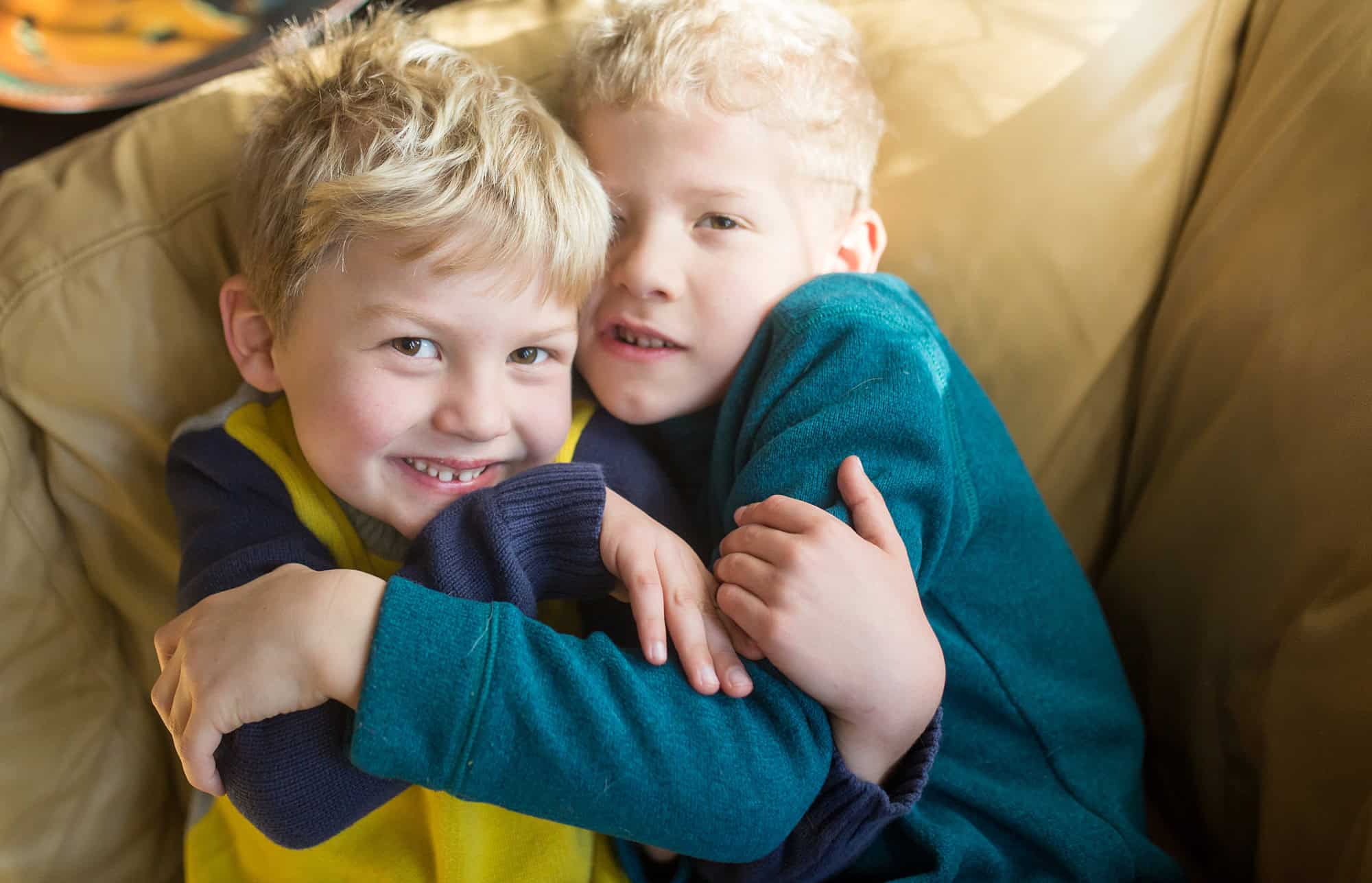
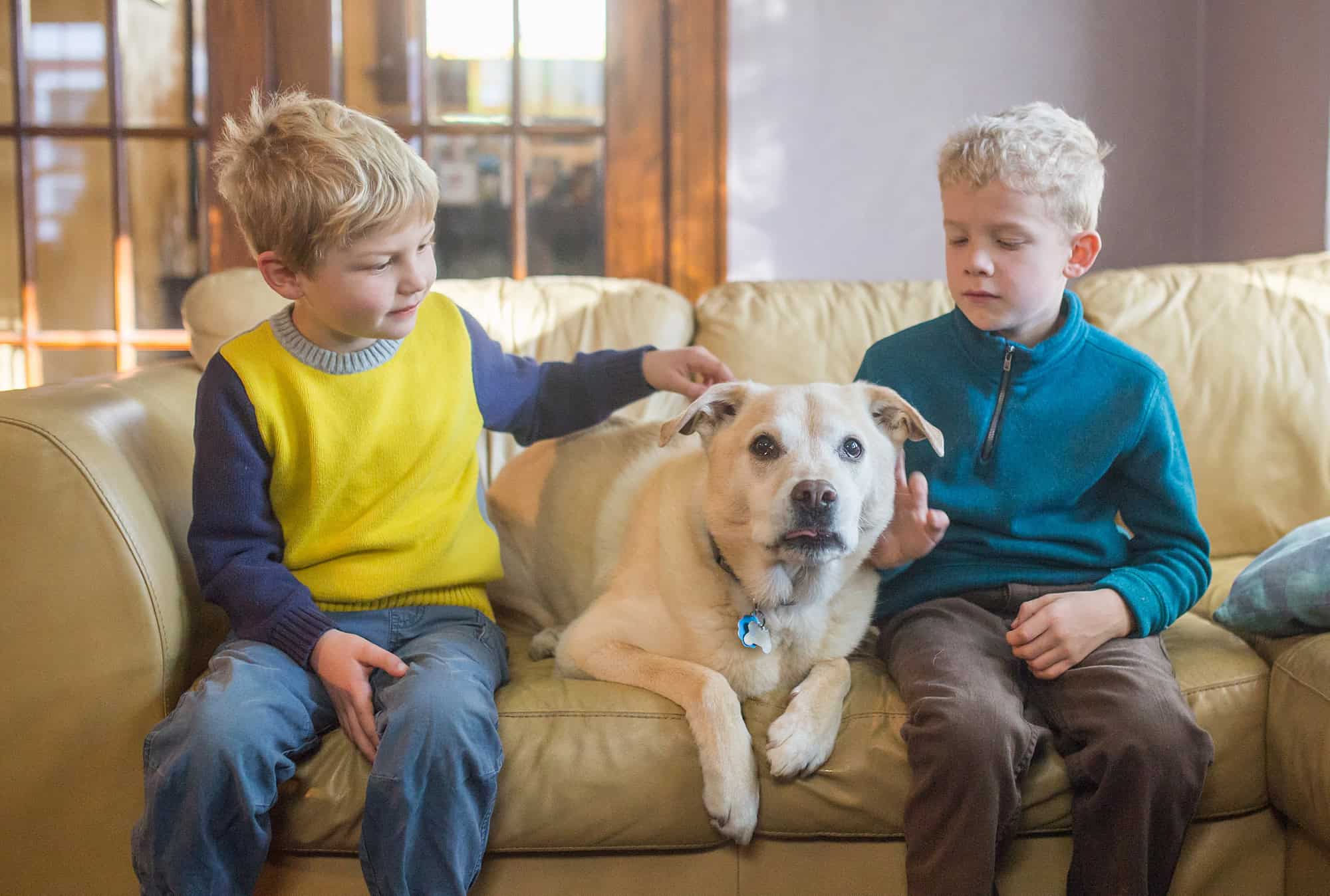
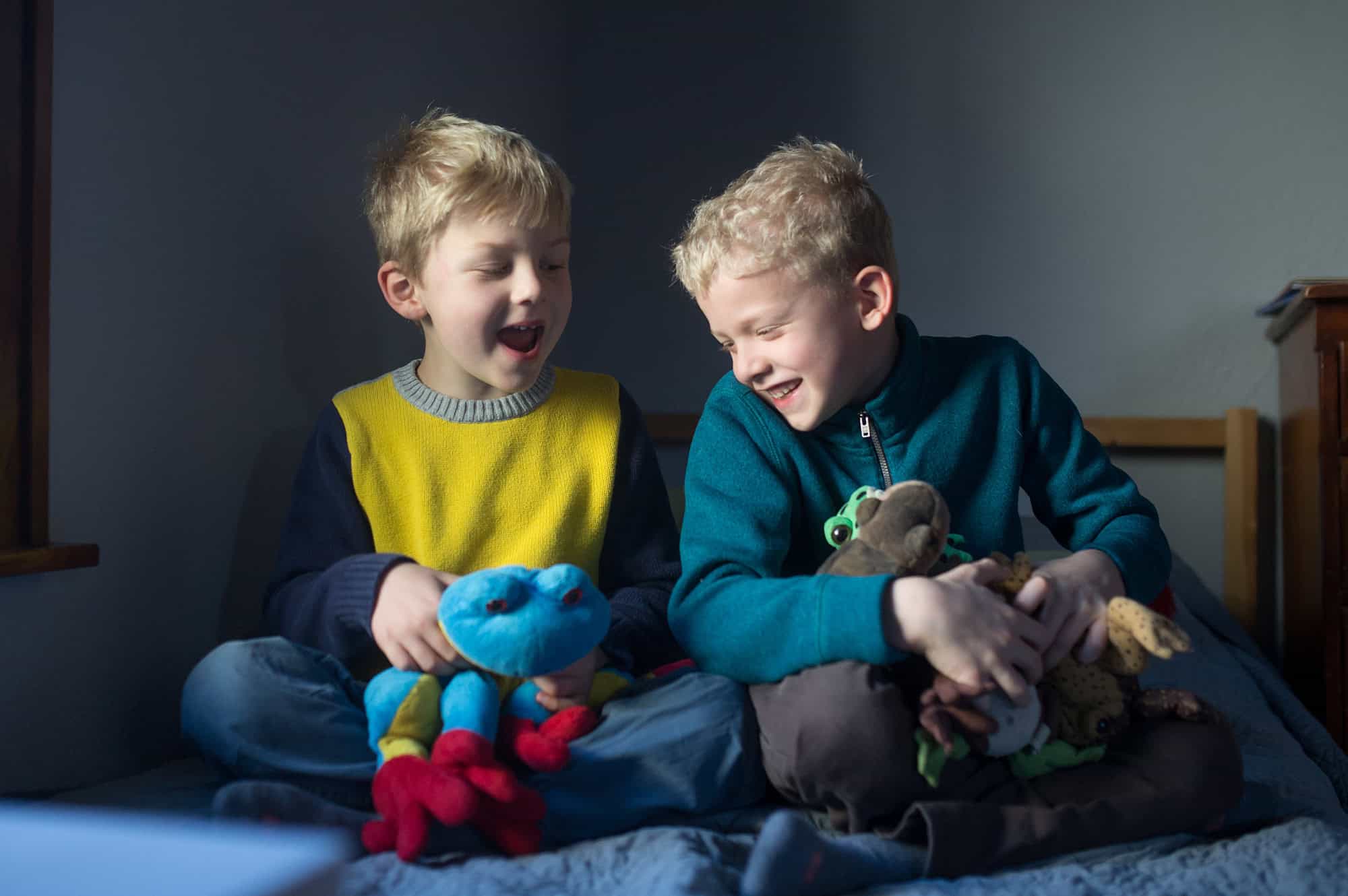
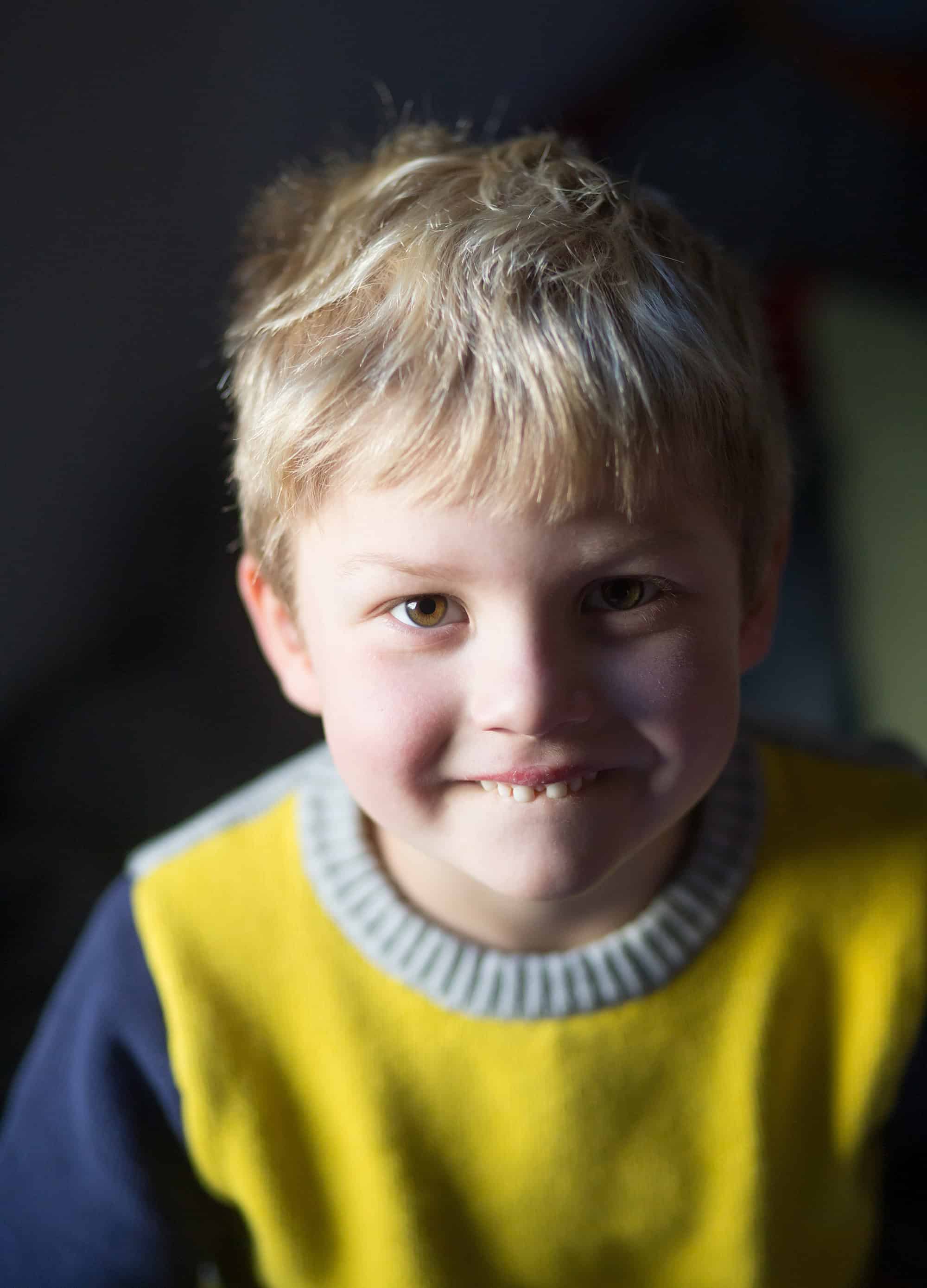
Miles is a smart, funny, sweet, cuddly, spitfire. He is smart as a whip, and loves math, Legos, his big brother, his stuffed frogs, and his family with all his heart. His favorite thing is Legos, and playing with his brother. He enjoys helping me cook in the kitchen, and says he is going to grow up to be a chef, or a master Lego builder. I think he has the mind of an engineer, he is constantly asking how things work. He also likes riding his bike, swimming, and playing on any playground. He loves sitting around a campfire (whether we are camping, or in our backyard), and making s’mores.
Miles was diagnosed with Leukemia at age 4, on May 2, 201. Miles was getting fevers on and off for about 2 weeks. He was also vomiting during some of the fevers. These symptoms led us to take him to the doctor, where his wonderful pediatrician couldn’t find anything causing the symptoms, so she sent him for blood work that day. The results were in the next day (we were back at the doctor), and we got the direction to go directly to Children’s Hospital of Wisconsin, to their emergency room, where they would be waiting for us. It was the scariest, worst day of our lives, but the doctors and nurses at Children’s were and have been amazing since that day. They ran more detailed tests, and were given the horrible news that Miles had Leukemia.
Miles displayed other symptoms of Leukemia, that at the time were not too alarming, but in hindsight, were clues to his diagnosis. He had some bruising, that didn’t fade. He was pale, he was fatigued. He had leg (bone) pain. He also developed petechiae under his eyes and on his chest.
Miles has had so many needle pokes and blood draws, I can’t possibly count. He had a PICC line in his arm for the first month of treatment, and then had surgery to place a port in his chest for his IV chemo. That port line broke, so he had to have another surgery to replace the port. He has had several blood transfusions, LOTS of time spent in the hospital in-patient. Several (6) 3-4 day in-patient stays, for a 24-hour chemotherapy drip (methotrexate), followed by waiting (in-patient) for the drug to clear his system before he could come home. He has had many (I’ve lost count, maybe 14 or more?) sedations followed by a lumbar puncture to deliver chemotherapy to his spinal fluid. He has had several fevers, resulting in an automatic trip to the hospital, often followed by a few days in-patient. He takes oral chemo pills every day, as well.
Our family has settled into a routine, with Miles’ medical needs, especially now that he is in the maintenance phase of treatment. But when Miles was first diagnosed, and admitted to the hospital, our lives were turned upside down. The first days, weeks, months of treatment were brutal. It felt like we lived in the hospital. Our older son, Jude (who was 6 at the time of Miles’ diagnosis), was shuffled around, and I still feel badly for what he has been through. Jude also has Autism, so the change of routine was hard on him. It is always difficult when families can’t be together, so those days and nights were difficult. Besides the obvious struggles of being in and out of the hospital so much, struggling to be present for both kids, there are other struggles, such as financial, which I know many families can relate to.
Our life will never be the same. There is “before cancer” and “after cancer”. We feel very lucky that Miles is responding well to treatment, and for every day we spend with him. But we have a kid with cancer, there are worries and concerns I never thought about before his diagnosis, that are always in the forefront of my mind now. For example, travel is always tricky. We don’t get to travel much, but when we do, even if a few hours away, I need a list of nearby hospitals to take him to in case he gets a fever or ill. We aren’t really international travelers either, but won’t be taking him out of the country anytime soon, in case he has a medical emergency.
I’m also always concerned about illness. Other people getting my kid sick is a big worry, germs, etc. I was never a big worry-wort about germs before, but a simple fever can put my child in the hospital for days, so now I always have hand sanitizer. I also worry about other illness, and if people/kids have had their vaccinations, since Miles cannot have vaccines while in treatment, and his lowered immune system puts him at greater risk.
I could write a novel about how brave my boy is, and what he has been through his journey. He faces cancer like a fighter, and I’m often in awe of the stuff (needles, blood, sedations, fasting, surgery, hospital visits, daily pills, etc…..) he has to go through, without missing a beat. Yes, he gets scared, cries, etc. Of course any child would. But I’m so so proud of him. He is my hero.
I wish he didn’t have to go through any of this, I wish no family did.
Daniel loves elevator rides, playgrounds, waterslides, Cars, Blaze and the Monster Machines, Tsum Tsum cars and anything on an ipad.
In March of 2016, Daniel’s balance started to degrade. A few weeks later he started vomiting but wasn’t sick. Our pediatrician referred us to a neurologist who scheduled an MRI. It was then that we discovered he had Medulloblastoma.
Daniel has undergone 2 brain surgeries – a craniotomy to remove the tumor (They got it all, but the tumor had been pressing against his skull for so long that the bone they removed was too thin to be usable and couldn’t be replaced.) and placement of a VP shunt, 8 surgeries to place and remove central lines, 12 brain and spine MRIs under general anesthesia, 2 lumbar punctures, stem cell harvest, 3 stem cell transplants, too many platelet and red blood cell transfusions to count, and 30 sessions of daily proton radiation under general anesthesia.
Daniel was under post stem cell transplant isolation for 6 months and was not able to attend school for a total of 13 months after his initial diagnosis. He relied on an NG tube for his main source of nutrition for over 16 months and had to go back to Philadelphia for a 5 week full day feeding program in order to wean off of it. He lost the protection of all previous vaccinations and must be completely re-immunized.
Daniel had to re-learn how to talk, walk and use his left hand after his initial surgery. He continues to receive physical, occupational and speech therapy to this day.
During Daniel’s treatment, our family spent much time apart as most of his treatment was inpatient and he was treated at CHOP, 100 miles away from our home. Post treatment, he had to return to Philadelphia for radiation (7 weeks) and an intensive feeding program (5 weeks) – both times we had to live in Philadelphia, away from his brother, during his outpatient treatment.